


Braking system and parts
More informationAt Global Parts, we offer a wide selection of original used car parts, including brake systems and parts for many popular car brands such as BMW, Mini, Mercedes, Audi, Volkswagen, and others. Our brake parts undergo quality control to ensure you receive a top-quality product.
Find it faster
Match to your vehicle
Make
Category
Subcategory
Condition
In Stock
Price
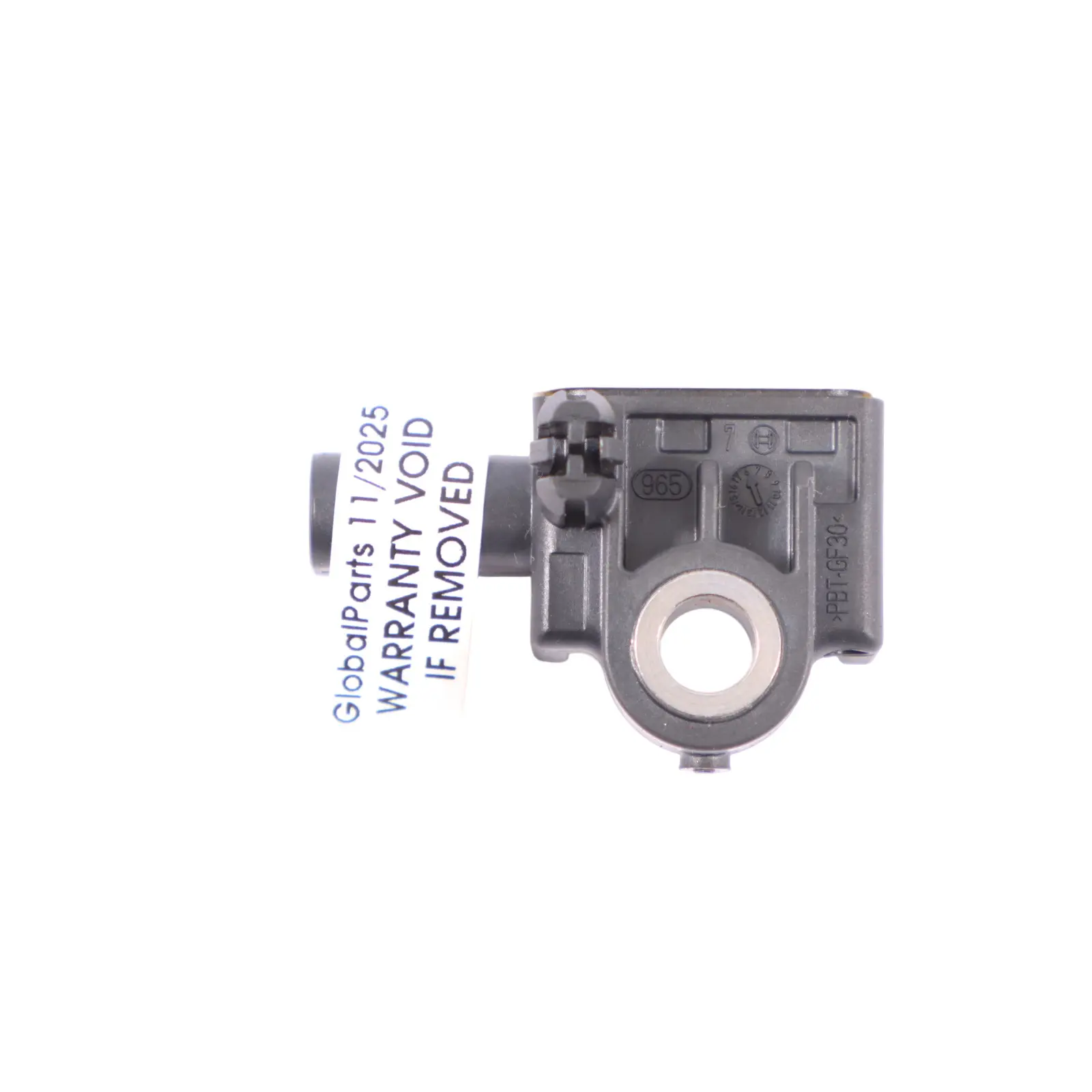
-5%
Part no. 2H0959351
Seat Ibiza 6J VW Polo 6R Crash Sensor Impact Air Unit Module 2H0959351
Promo price
€23.95
€22.75
Free delivery: Sep 30 – Oct 2
If paid before 14:00
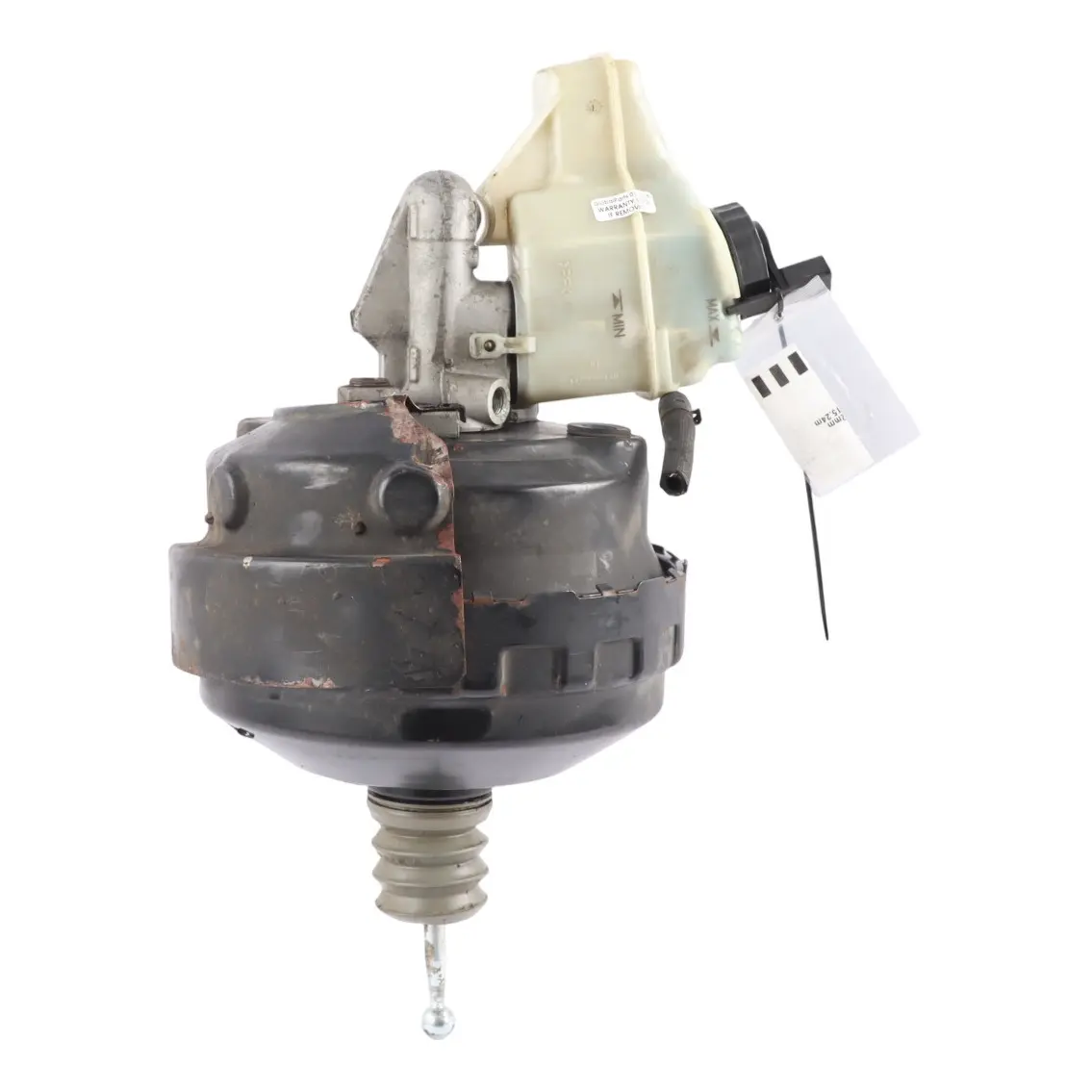
-40%
Part no. 1K2614105AM
Volkswagen Golf GTI 1K Brake Servo Booster Unit 1K2614105AM
Promo price
€66.95
€40.17
Free delivery: Sep 30 – Oct 2
If paid before 14:00
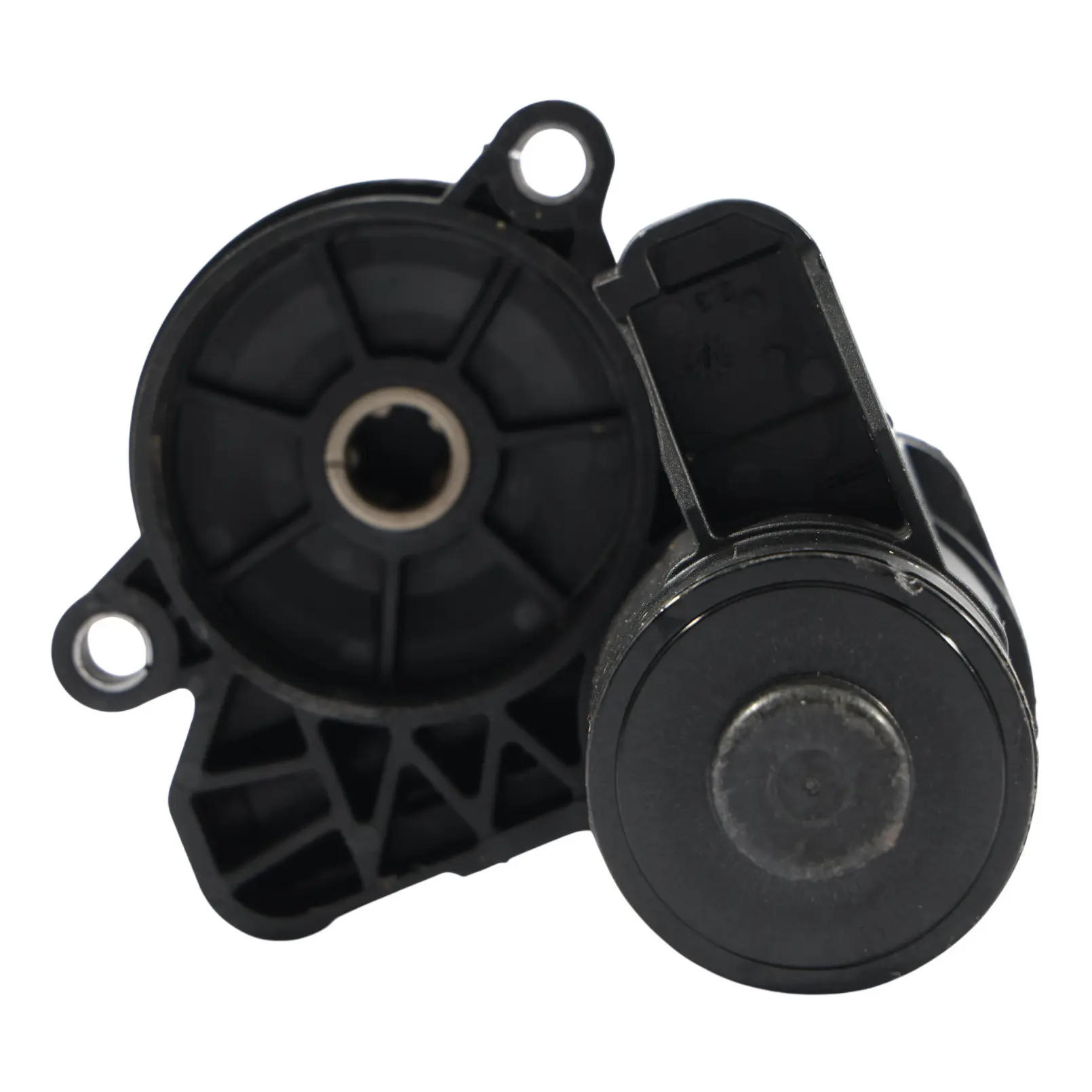
-40%
Part no. 5WA615406A
VW Golf Mk8 GTI Brake Caliper Servomotor Rear Right O/S 5WA615406A
Promo price
€56.95
€34.17
Free delivery: Sep 30 – Oct 2
If paid before 14:00
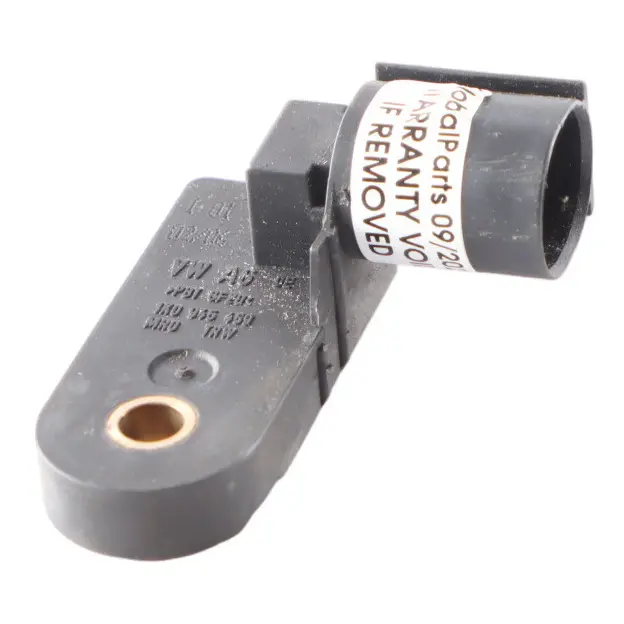
-5%
Part no. 1K0945459
Volkswagen Touran 1T Brake Servo Sensor Control Unit 1K0945459
Promo price
€23.95
€22.75
Free delivery: Sep 30 – Oct 2
If paid before 14:00
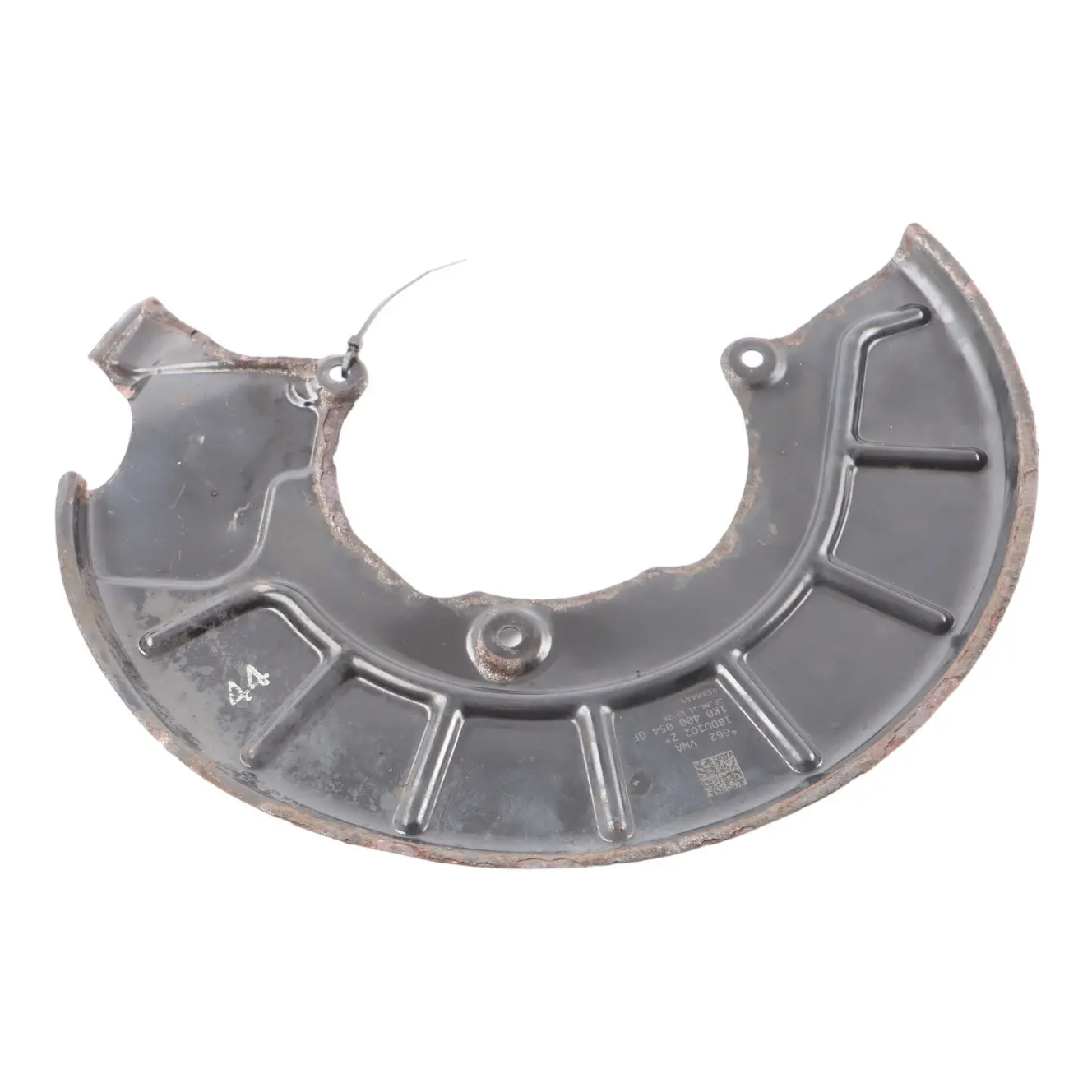
Part no. 1K0615312F
VW Golf Mk6 Audi A3 8P Front Brake Disc Plate Protection Right O/S 1K0615312F
€23.95
Free delivery: Sep 30 – Oct 2
If paid before 14:00
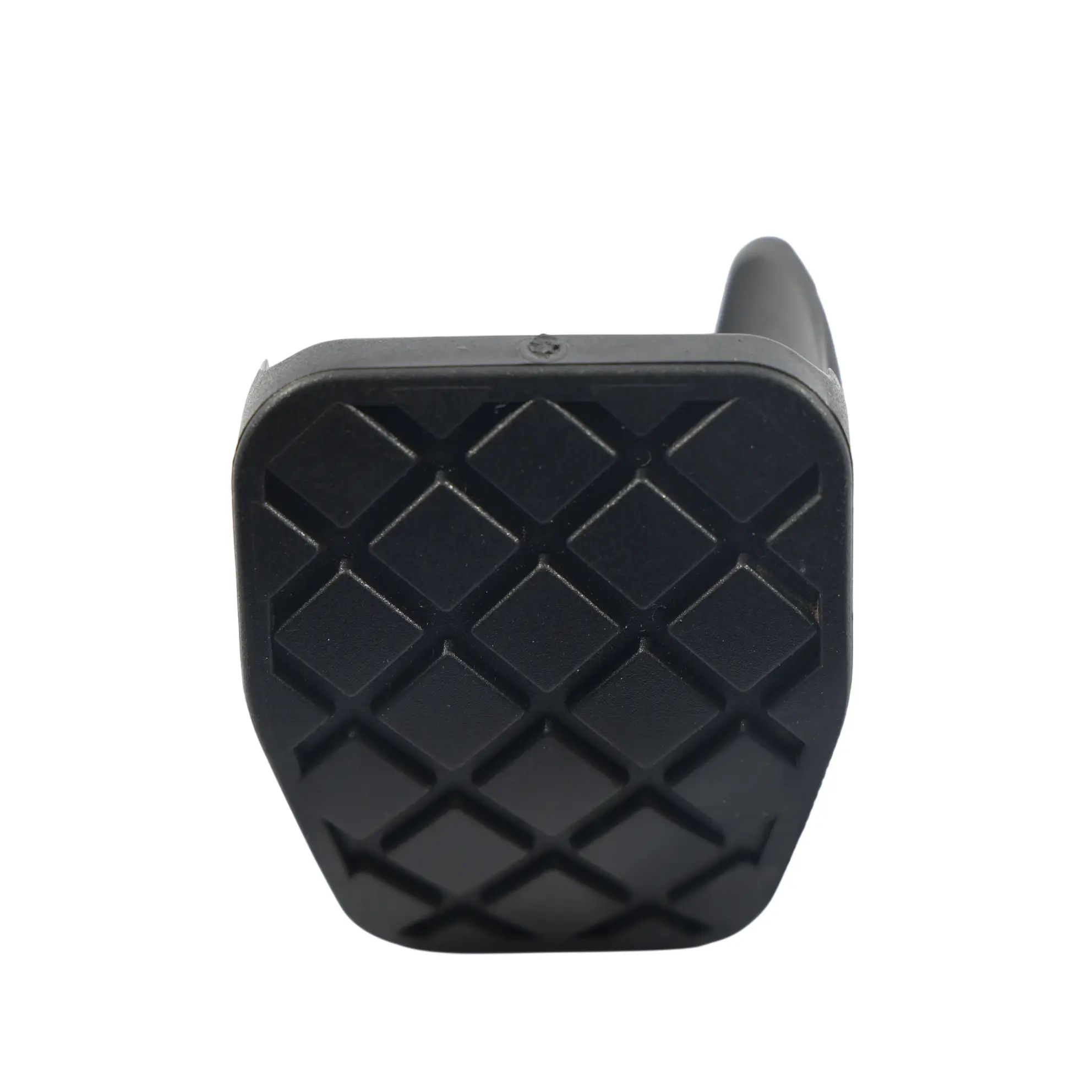
-5%
Part no. 1K0721173B
VW Tiguan 5N Golf GTI 1K Jetta A6 Caddy 2K Brake Pedal Cover Pad Cap 1K0721173B
Promo price
€23.95
€22.75
Free delivery: Sep 30 – Oct 2
If paid before 14:00
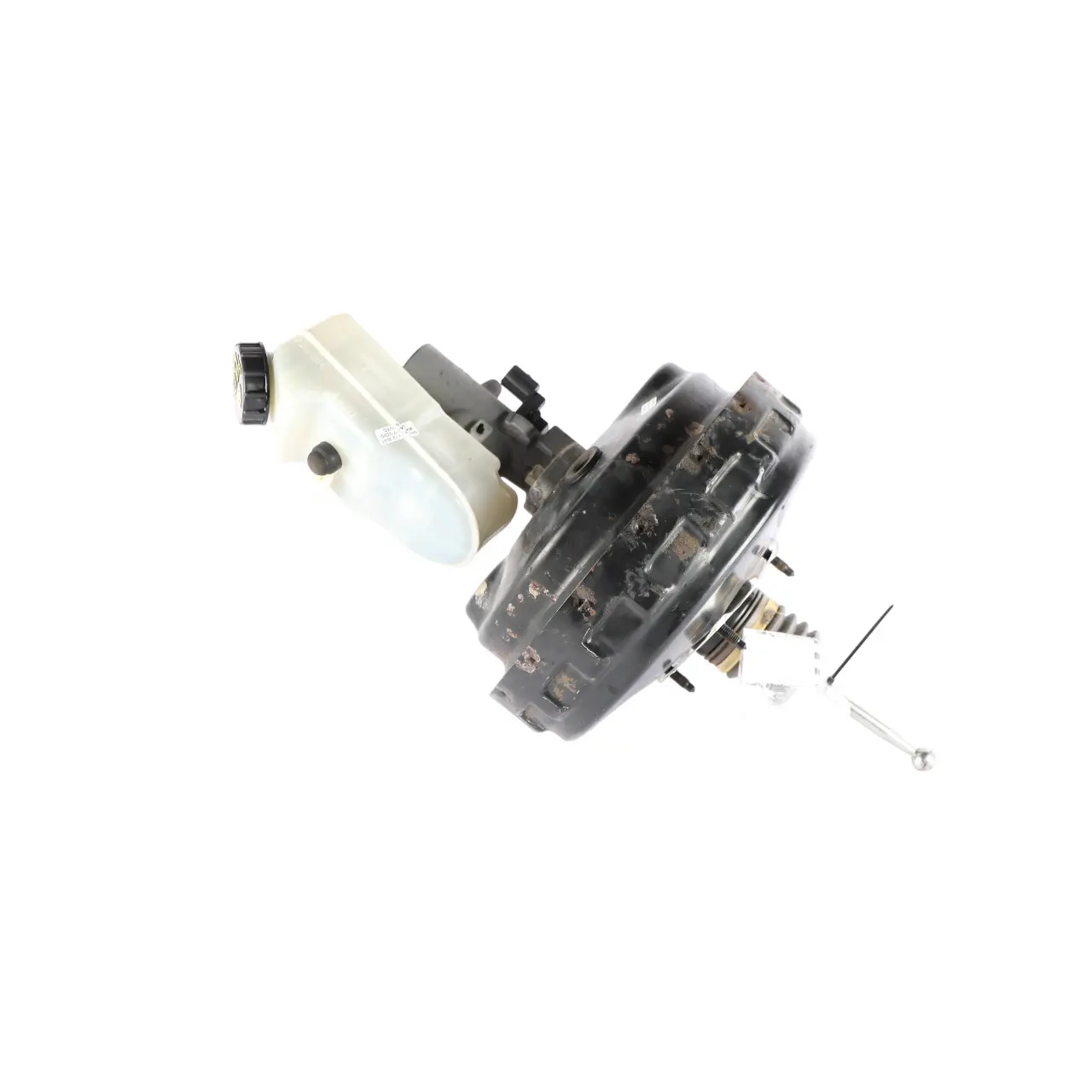
Part no. 7E0612101C
VW Transporter T5 Brake Servo Booster Master Cylinder Unit 2.0 TDI 7E0612101C
€75.95
Free delivery: Sep 30 – Oct 2
If paid before 14:00
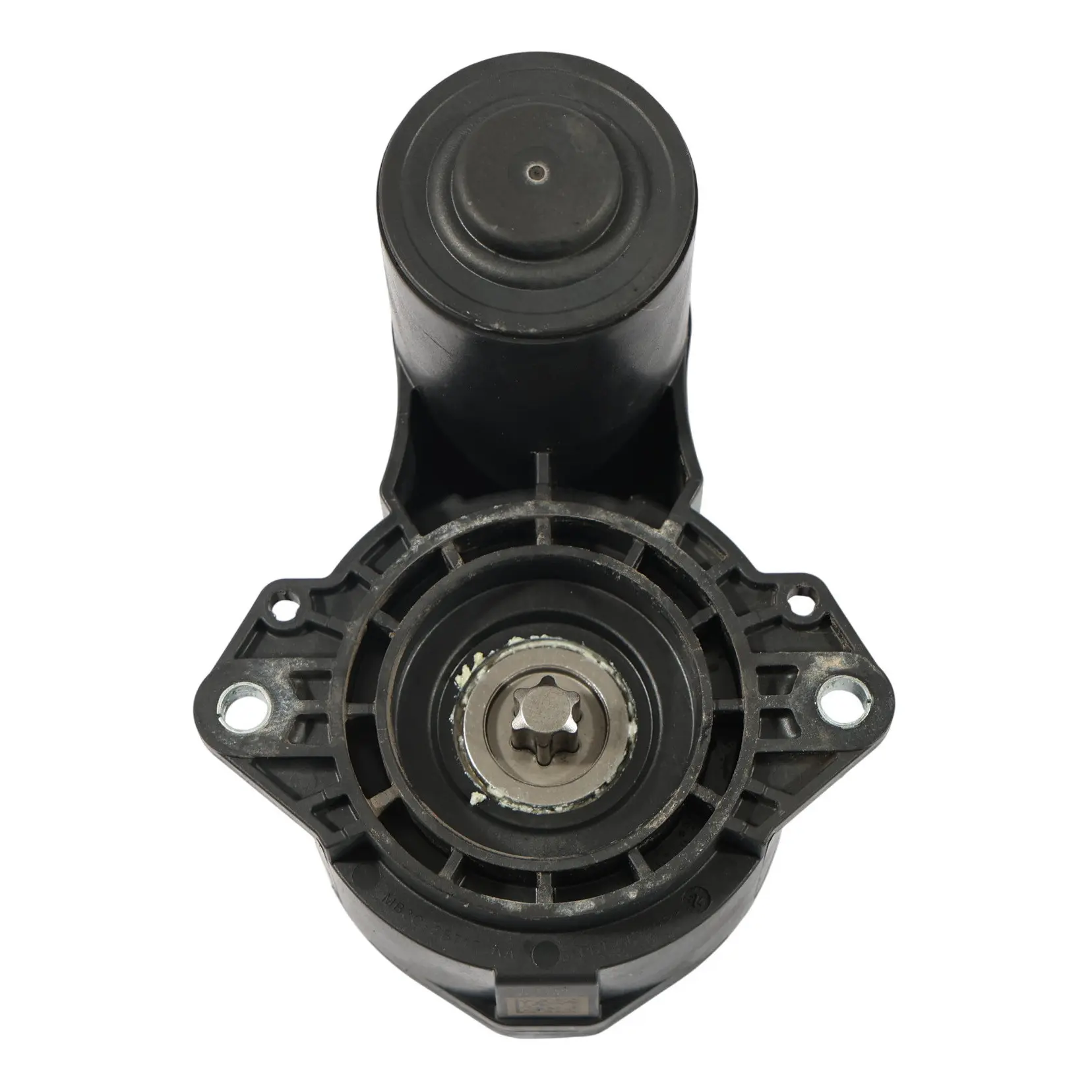
-40%
Part no. 2HJ698139A
VW Amarok Mk2 Brake Caliper Servo Motor Rear Left Right N/O/S 2HJ698139A
Promo price
€146.95
€88.17
Free delivery: Sep 30 – Oct 2
If paid before 14:00
-5%
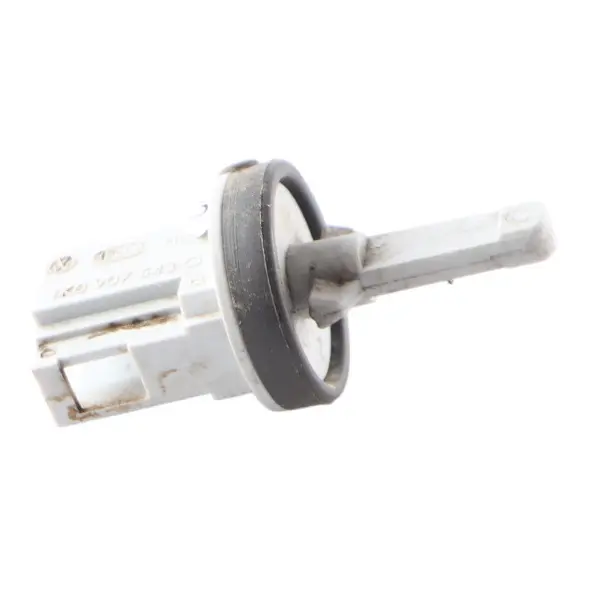
Part no. 1K0907543G
Volkswagen Tiguan 5N Temparature Sensor Interior Temperature Sensor 1K0907543G
Promo price
€23.95
€22.75
Free delivery: Sep 30 – Oct 2
If paid before 14:00

Part no. 1K0907655C
Audi A3 8P TT 8J VW Golf Mk5 Jetta Mk5 ESP Sensor Control Module 1K0907655C
Product currently unavailable
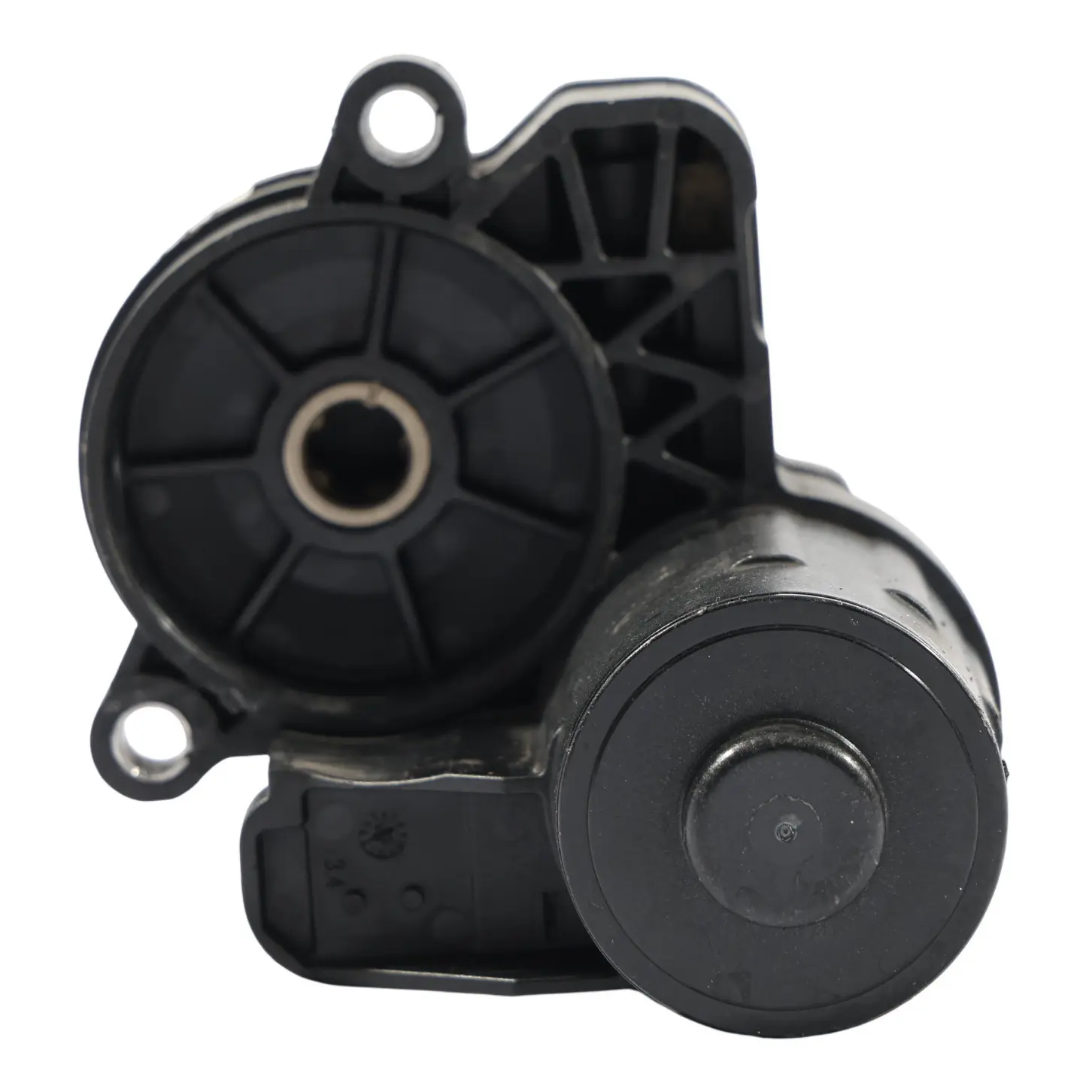
Part no. 5WA615405A
VW Golf Mk8 GTI Brake Caliper Servomotor Rear Left N/S 5WA615405A
Product currently unavailable
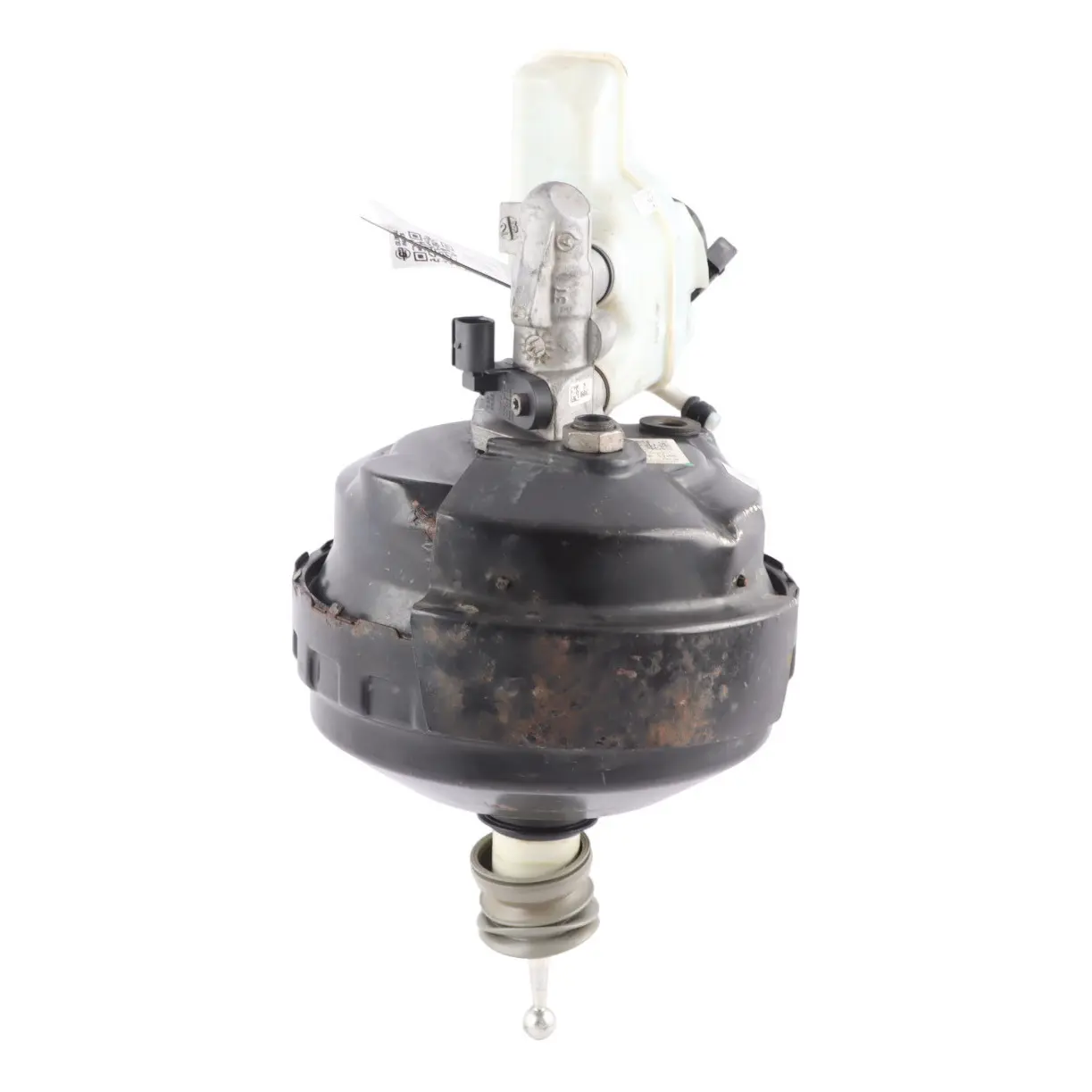
Part no. RHD-1K2614105BL
VW Volkswagen Caddy Brake Servo Booster Master Cylinder Module 1K2614105BL
Product currently unavailable
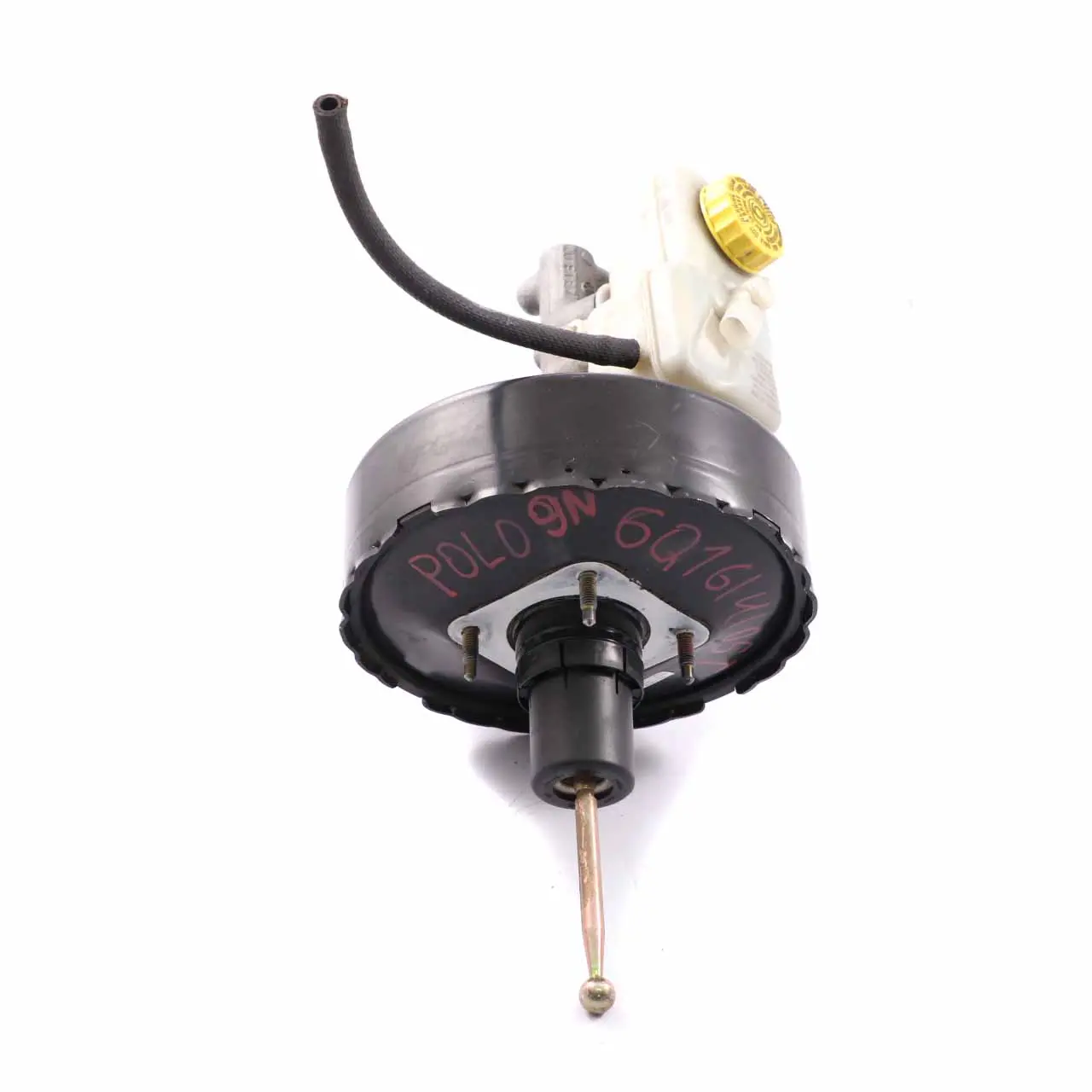
Part no. 6Q1614105T
VW Volkswagen Polo 9N Seat Ibiza 3 Skoda Brake Servo Booster Unit 6Q1614105T
Product currently unavailable
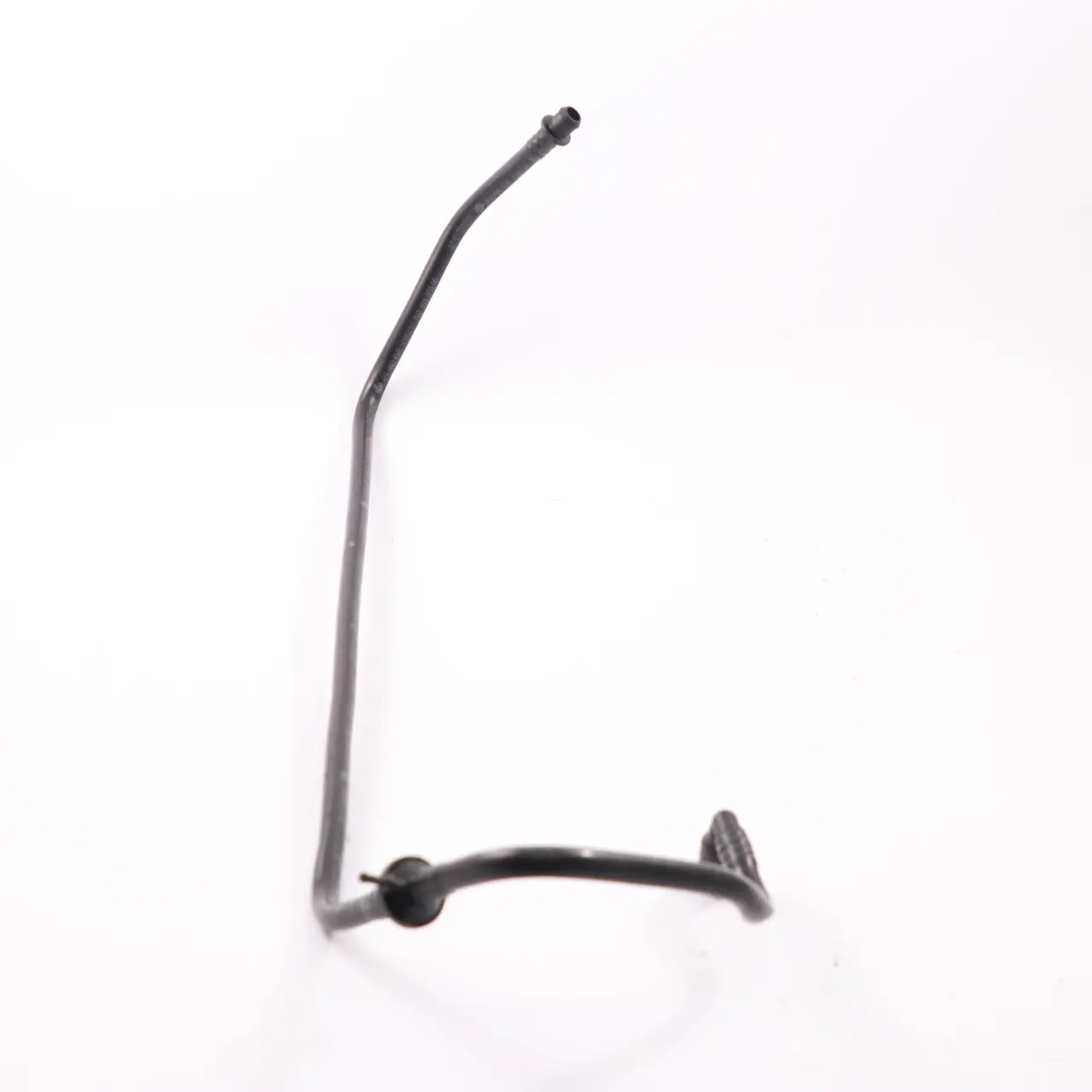
Part no. 7H2611931HD
Volkswagen VW Transporter Vaccum Pipe Brake Booster No Return Valve 7H2611931HD
Product currently unavailable
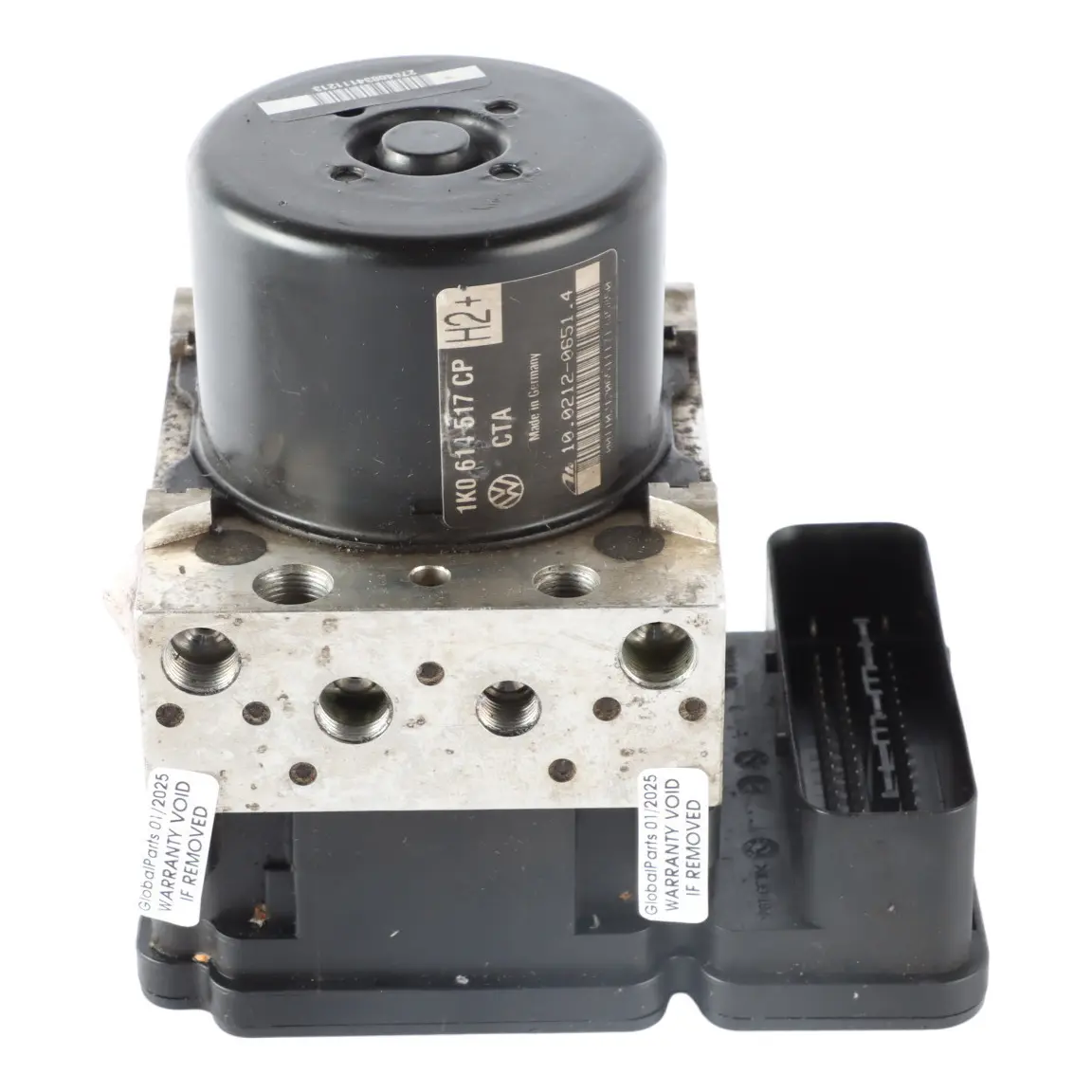
Part no. 1K0907379BE
Audi A3 8P Brake Pump ABS Module Hydraulic Control Unit 1K0907379BE
Product currently unavailable
Complete brake kits – comprehensive solution for your car
The best used brake parts – discs, pads and pumps with proven durability
Have you ever wondered how crucial the braking system is for your safety on the road? It is responsible for effectively stopping the vehicle in any situation, ensuring your confidence and control while driving. In the Global Parts automotive store, we offer a wide range of braking system parts, perfectly matched to brands such as BMW, Audi, Volkswagen, Mercedes, or Mini. Regardless of whether you need brake discs, pads, hoses, or calipers – you will find everything necessary here to keep your car running efficiently and safely. The braking system in a car can be divided into several main subsystems: hydraulic (master cylinders, hoses, calipers), disc-pad (brake discs and pads), and electronic braking support systems (ABS, ESP). Brake discs typically have a diameter ranging from 240 mm to 380 mm, and brake pads generate braking force depending on the contact surface and material (ceramic, semi-metallic, organic). High-quality braking system components can last up to 100,000 km under normal operating conditions.
How does the braking system work? Lighting category elements:
- Braking system is one of the most important systems in every car. It consists of several key elements that work together to ensure effective braking:
- Other ABS parts – Components supporting the operation of the ABS system, increasing braking efficiency.
- Brake hoses, lines, and connectors – Responsible for transporting brake fluid between the master cylinder and the calipers.
- Brake drums – Elements used in older braking systems, ensuring effective braking of the rear axle.
- Brake master cylinders – Responsible for generating pressure in the braking system and ensuring effective brake operation.
- Brake cables – Used in manual braking systems, ensuring wheel locking when the handbrake is engaged.
- Brake shoes – Key elements of the drum braking system, pressed against the inner walls of the drum.
- Complete brake kits – Full sets of components for braking system regeneration.
- Brake pad wear sensor – Electronic components monitoring the condition of the pads and informing about the need for replacement.
- Brake boosters and proportioning valves – Systems supporting the pressure force on the brake pedal, improving braking efficiency.
- ABS and ESP system – Electronic systems ensuring vehicle stability and eliminating skidding during braking.
- ABS control units – Modules controlling the operation of the ABS system, optimizing braking force on individual wheels.
- ABS speed sensor – Responsible for monitoring wheel rotation speed and transmitting data to the ABS system.
- Other brake sensors and switches – Elements monitoring the pressure and temperature of the braking system, ensuring its effective operation.
- Brake fluid reservoirs and caps – Containers storing brake fluid and responsible for its proper circulation in the system.
- Brake discs – Responsible for reducing vehicle speed through cooperation with brake pads.
- Brake pads – Elements that directly contact the discs, generating friction and allowing the vehicle to stop.
- Brake lines – Transfer brake fluid, which activates calipers and pistons.
- Brake calipers – Allow pressing the pads against the discs, which is crucial for braking efficiency. A well-functioning braking system not only increases your safety but also protects other vehicle components from excessive wear.
Construction and purpose of the braking system and parts
Braking system and parts are a set of components mounted at the wheels, in the engine compartment, and in the hydraulic installation of the vehicle, whose task is to controlledly reduce speed and stop the car. A typical system includes discs or drums, pads or shoes, calipers, lines, a brake master cylinder, and elements supervising the system's operation. In practice, it is not only the type of part that counts, but also the OEM number, working diameter, mounting side, and compatibility with the equipment version.
Comparison of the most important braking system element groups
| Part group | Basic function | What to check before purchase | Cooperating elements |
|---|---|---|---|
| Discs and drums | Absorb friction force and reduce wheel rotational speed | OEM number, diameter, thickness, solid or ventilated type, axle side | Pads, shoes, hub, disc shield |
| Calipers, pistons, and brackets | Press the friction element against the braking surface | Piston diameter, mounting type, left or right version, presence of carrier | Pads, flexible hoses, bleeder screw, sensors |
| Lines, cylinders, and reservoirs | Transfer brake fluid pressure and control braking force | Connection type, line length, ABS/ESP compatibility, mounting points | Calipers, master cylinder, booster, ABS module |
Characteristics of calipers, lines, and cooperating elements
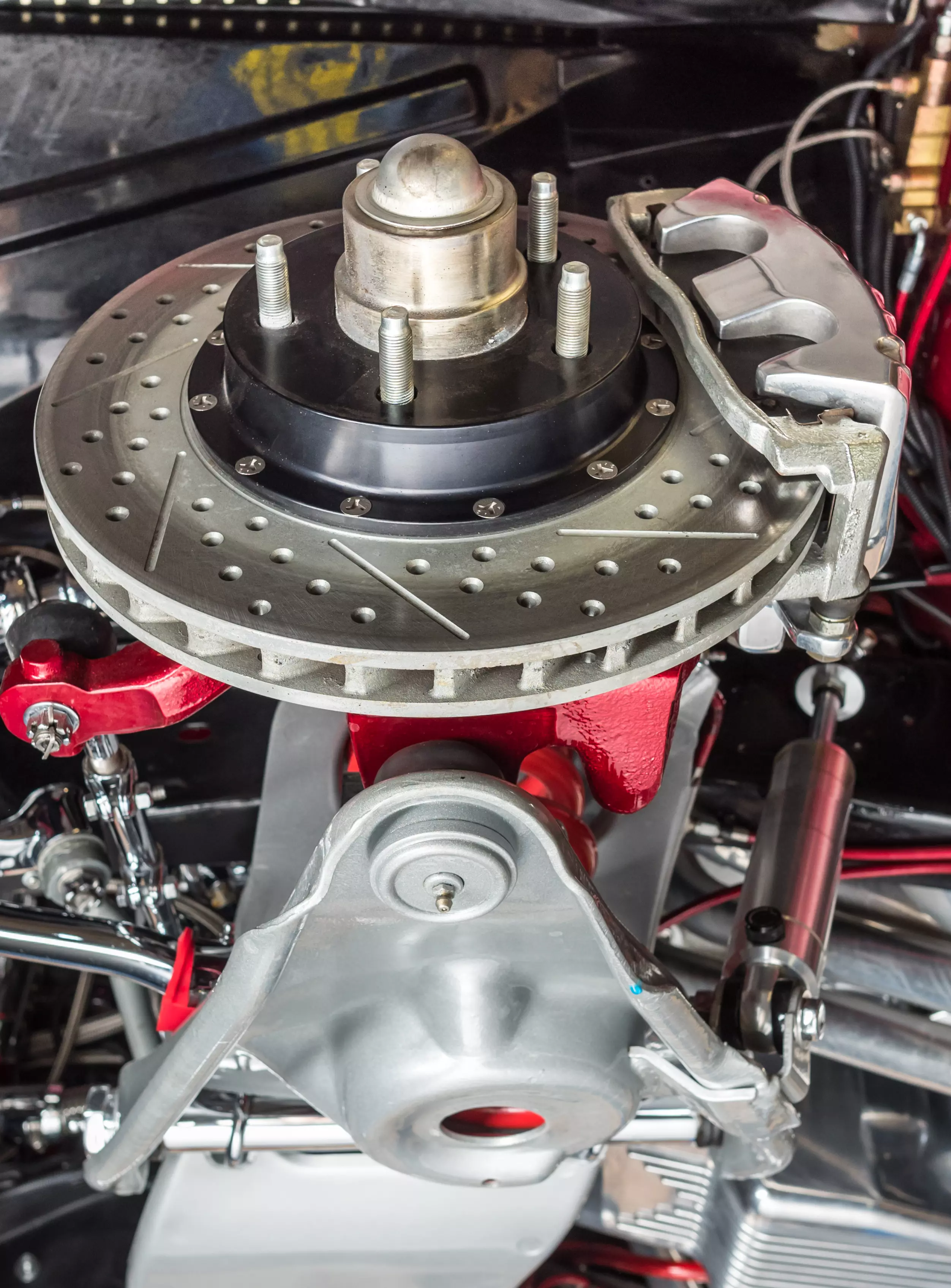
Brake caliper is an actuator that converts brake fluid pressure into pad pressure against the disc. Its construction includes a body, a piston or pistons, guide pins, seals, and a bleeder screw, and in some versions, also a parking brake mechanism. In the case of parts such as a BMW 15 caliper, you must compare the body marking, mounting side, carrier type, and compatibility with the disc and connection line.
Selecting parts by model, OEM number, and equipment version
The selection of brake parts should start with the OEM number and vehicle data, such as VIN, model year, body type, and engine version. This is especially important when one model was produced with several disc diameters, different calipers, or different ABS controls. In practice, it is also worth comparing the offer with the Suspension, steering system, Gearboxes and drives, and Automotive electrical systems departments, as associated faults can affect the car's behavior during braking.
Installation procedures and post-replacement inspection
Brake system bleeding is a service procedure consisting of removing air from the lines and calipers after replacing parts or fluid. Without proper bleeding, the brake pedal may feel soft, and braking force will be uneven between axles. For those comparing the operation of related systems, the following material may be useful: Steering system and power steering – how it works and what breaks?, which shows how to diagnose components responsible for vehicle handling.
Braking system compatibility and parameter table
| Braking system element | Typical dimensions / parameters | Compatibility with models | Practical notes |
|---|---|---|---|
| Brake discs | Ø 240–380 mm, thickness 20–32 mm | BMW 3/5, Audi A4/A6, VW Passat | Ventilated or solid, depending on the model |
| Brake pads | Contact surface 80–120 cm² | Mercedes C/E, Mini Cooper | Ceramic or semi-metallic |
| Brake master cylinders | Operating pressure 70–100 bar | Audi A4, VW Golf | Compatible with ABS/ESP systems |
| Brake calipers | Piston diameter 35–60 mm | BMW 1/3/5, Mercedes C | Compatible with various disc types |
Why is it worth investing in high-quality braking system parts?
Choosing the right braking system parts is crucial for safety and driving comfort. It is worth opting for components that offer:
- Durability – Brake discs and pads made of high-quality materials are more resistant to overheating and wear.
- Efficiency – Original parts ensure faster braking system response, which is crucial in emergency situations.
- Longevity – Thanks to the use of proven technologies, braking system elements work reliably for a long time. In the Global Parts store, you will find original used car parts that have passed thorough quality checks and meet the highest safety standards.
Definitions and advantages of braking systems
Braking system consists of hydraulic and mechanical elements that together convert the pressure force on the pedal into braking force on the wheels. Thanks to the use of high-quality brake discs and pads, you can achieve:
- Reduction of braking distance by up to 15–20% compared to lower-quality parts.
- Reduced wear on other system elements, e.g., suspension or tires.
- Compatibility with ABS/ESP systems, which increases safety during sudden braking.
How to choose the right braking system parts?
When deciding to purchase braking system parts, it is worth paying attention to several key aspects:
- Matching the vehicle model – The braking system must be perfectly matched to the model. Every BMW, Audi, Volkswagen, Mercedes, or Mini has its own specifications. By choosing parts in the Global Parts automotive store, you can be sure that you will find elements perfectly matched to your car.
- Technical condition – In the case of used car parts, it is crucial that they are fully functional and reliable.
- Material type – For example, brake discs can be made of cast iron or composites, and brake pads of a ceramic or metallic mixture. The choice of the right material affects the performance and durability of the system.
Braking system installation and adjustment procedures
When replacing braking system parts, the following steps are important:
- Verification of disc diameter and thickness and pad type.
- Checking caliper compatibility with the ABS/ESP system.
- Installation of brake lines and hoses according to the manufacturer's markings.
- Bleeding the system after replacement to ensure optimal braking force.
Why is it worth choosing used braking system parts?
Used car parts are a solution that combines high quality with savings. Why is it worth considering them?
- Lower costs – Used brake discs and pads often offer the same quality as new ones but at a significantly lower price.
- Ecology – By choosing used car parts, you contribute to recycling and reduce the amount of waste in the environment.
- Wide offer – At Global Parts, you will find everything you need – from brake lines to calipers.
How to take care of your vehicle's braking system?
Regular inspection and maintenance of the braking system is the key to safe driving. Here are a few tips:
- Check the condition of the disc and brake pads at least once a year or at every tire change.
- Regularly replace the brake fluid to avoid corrosion inside the lines.
- Observe any disturbing signals, such as squeaking, vibrations, or extended braking time – these may indicate wear of system elements. If you notice any problems, do not delay replacing the parts. In the Global Parts store, you will find used auto parts that will help you quickly restore the full efficiency of the braking system.
FAQ
| Question | Answer |
|---|---|
| What is the construction and purpose of the braking system and parts? | The braking system and parts are a set of elements responsible for reducing speed and stopping the vehicle. It includes, among others, discs, pads, calipers, lines, a brake master cylinder, and ABS control modules. Individual elements are located at the wheels, in the engine compartment, and in the car's hydraulic installation. |
| What are the braking system and parts used for? | The braking system and parts are used for controlled speed reduction and maintaining car stability during braking. Their task is to transfer force from the brake pedal to the wheels and convert motion energy into heat through friction. Without properly selected elements, the braking distance increases, and the operation of support systems may be limited. |
| What is the construction and function of a brake caliper? | A brake caliper is an element mounted at the hub and disc, whose task is to press the pads against the braking surface. A typical caliper consists of a body, a piston or pistons, guide pins, seals, and a bleeder screw. Depending on the version, it may work with a carrier, wear sensor, or parking brake mechanism. |
| How to select brake parts for a specific car? | It is safest to compare the OEM number, VIN, disc diameter, working thickness, mounting side, and caliper type. It is also worth checking if the car has ABS, ESP, an electric parking brake, or different axle variants in one model generation. |
| What symptoms indicate wear of braking system elements? | Typical symptoms include squeaking during braking, steering wheel vibrations, the car pulling to one side, a soft brake pedal, or an illuminated ABS warning light. Uneven caliper operation, fluid leaks, and disc overheating after a short drive may also indicate wear. |
| How does the installation and inspection proceed after replacing brake parts? | After installing the parts, you should check the mounting points, line routing, caliper freedom of movement, and brake fluid level. Then, the system is bled, checked for leaks, and a test drive is performed to assess braking uniformity and the operation of support systems. |
Summary: braking system and parts in the Global Parts automotive store
Braking system is the foundation of every vehicle's safety. By taking care of regular replacement of discs, pads, lines, or calipers, you invest in confidence on the road. Global Parts offers elements matched to many versions of cars, including BMW, Audi, Volkswagen, Mercedes, Mini models, and others. Proper selection by OEM number, body version, mounting side, and equipment makes it easier to find the right component from the Braking system and parts category. We invite you to contact us – we are here to help you! For more information and interesting facts, we also invite you to our automotive blog.