


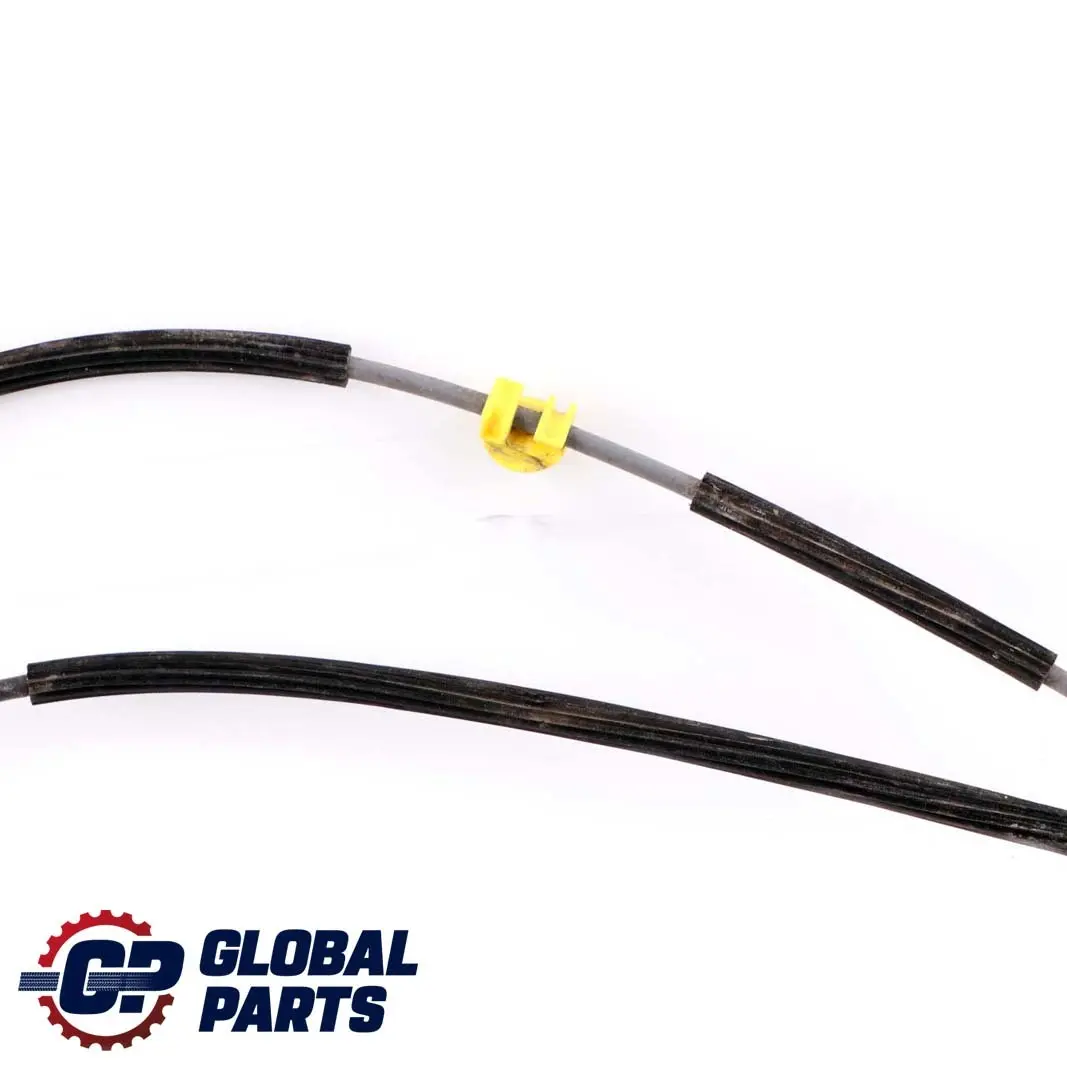
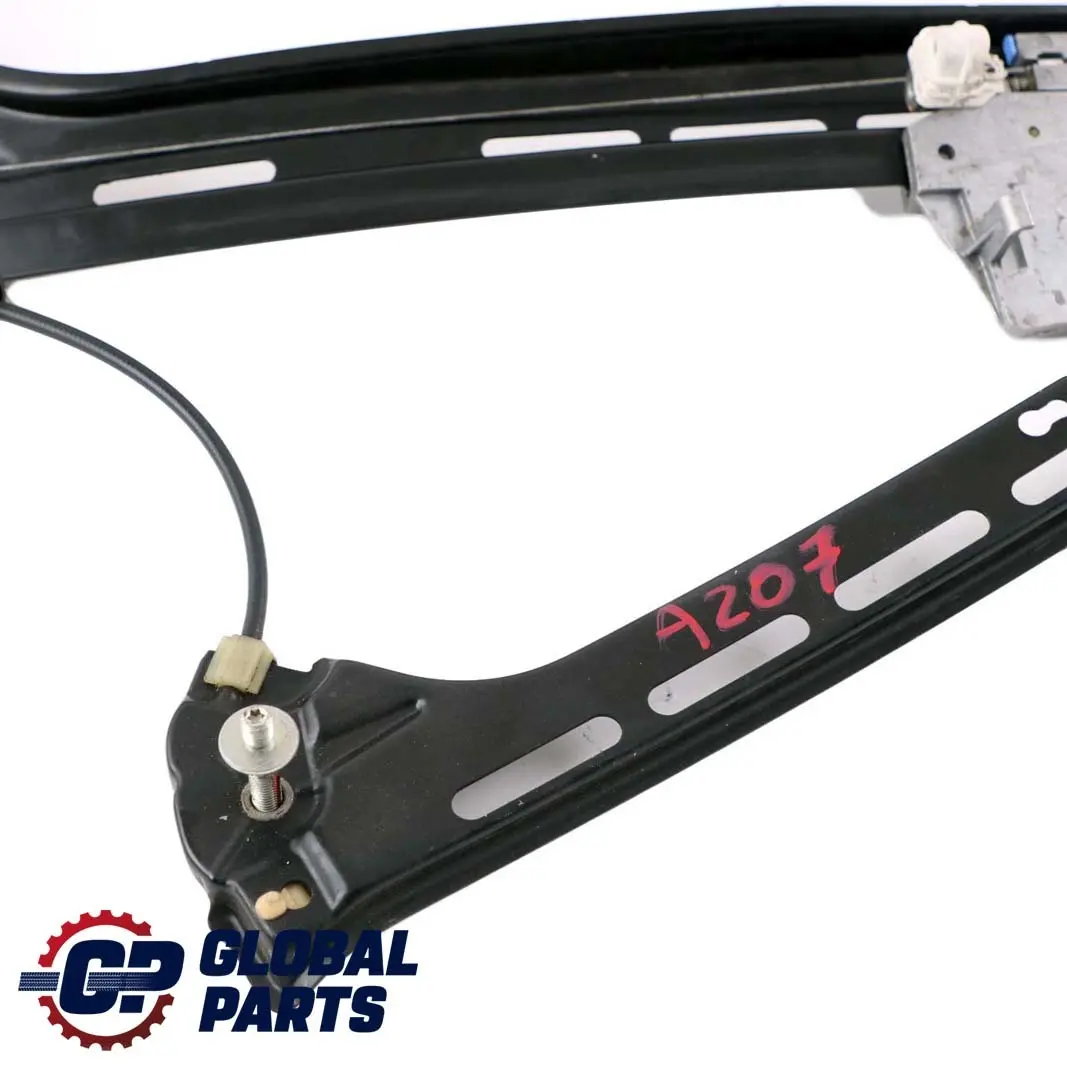
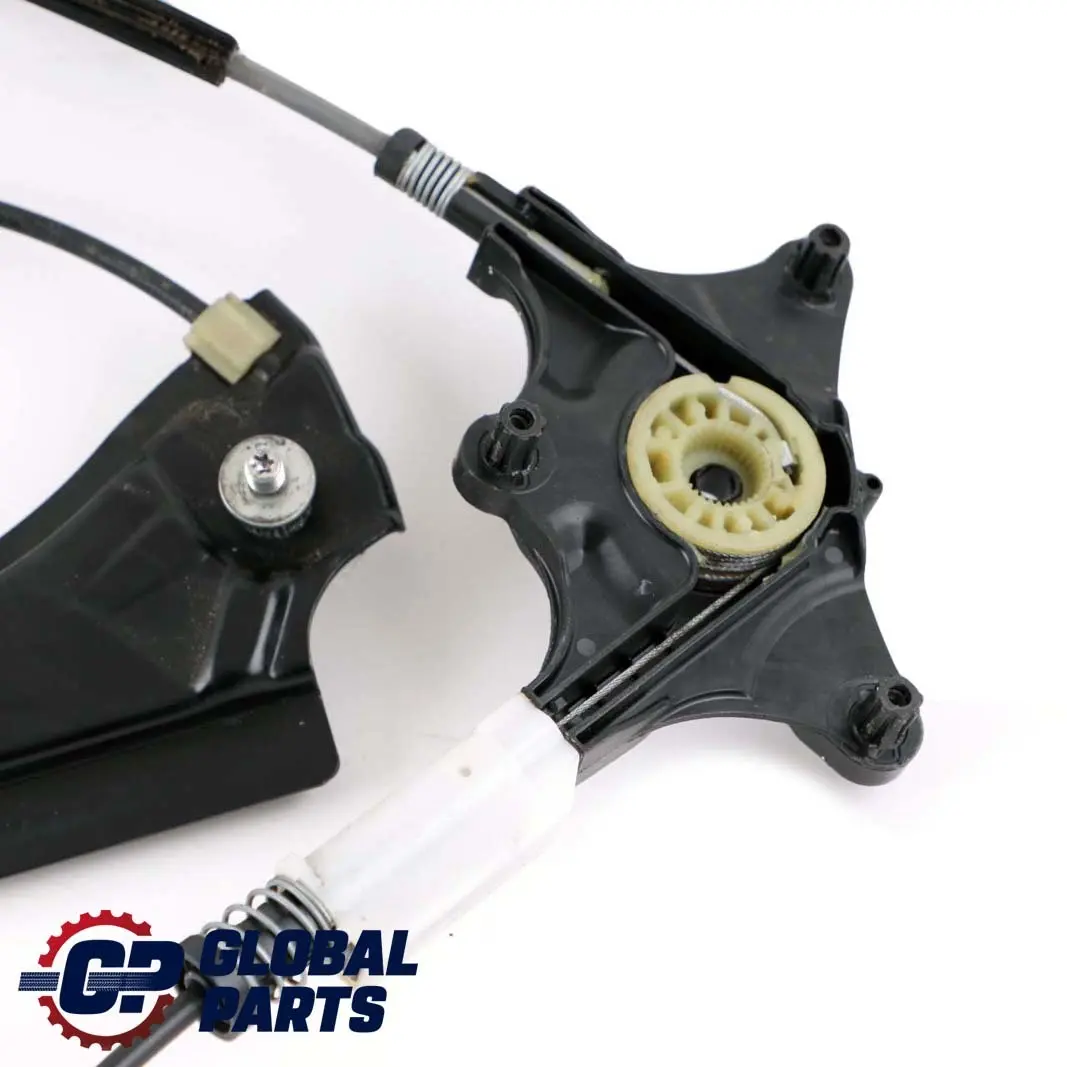
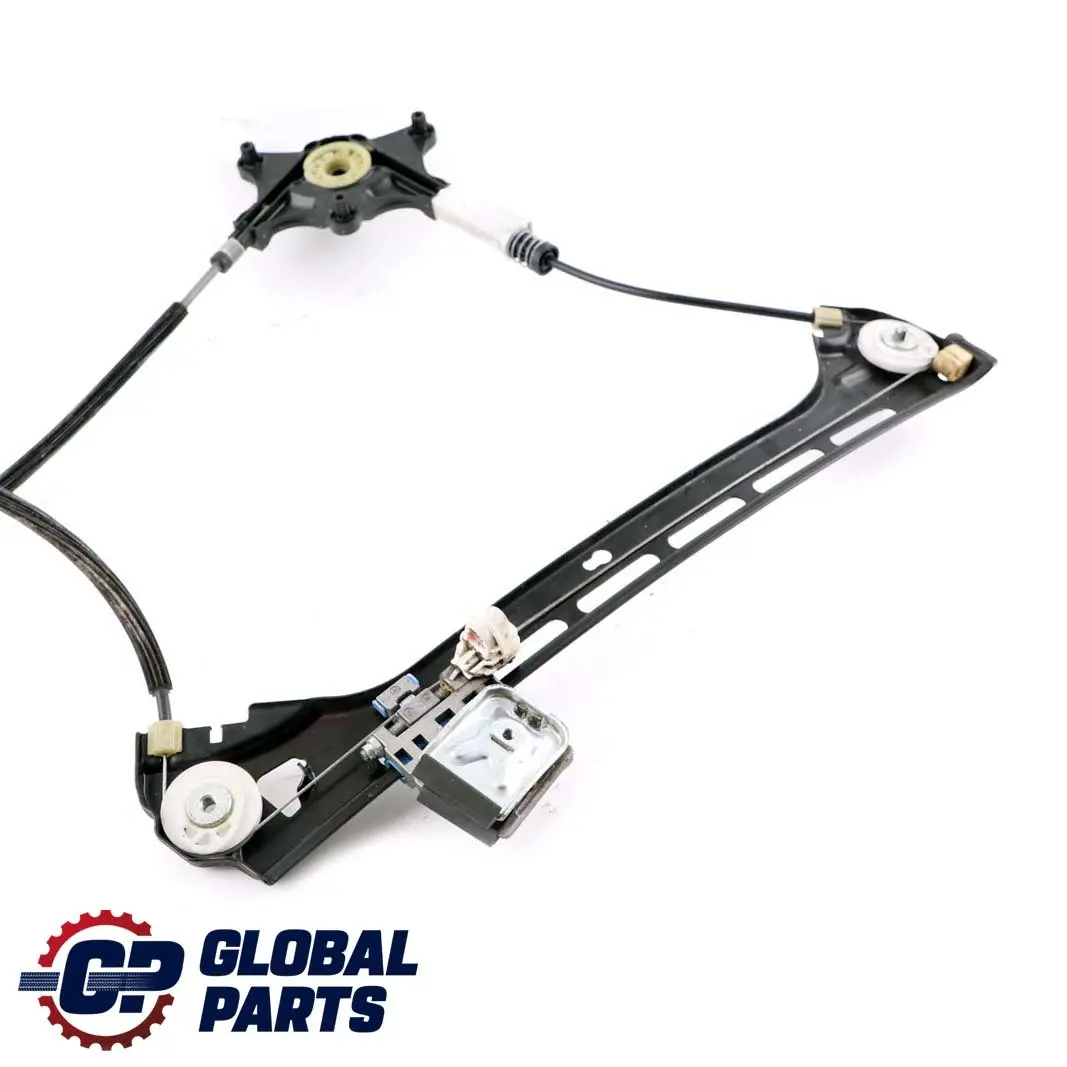
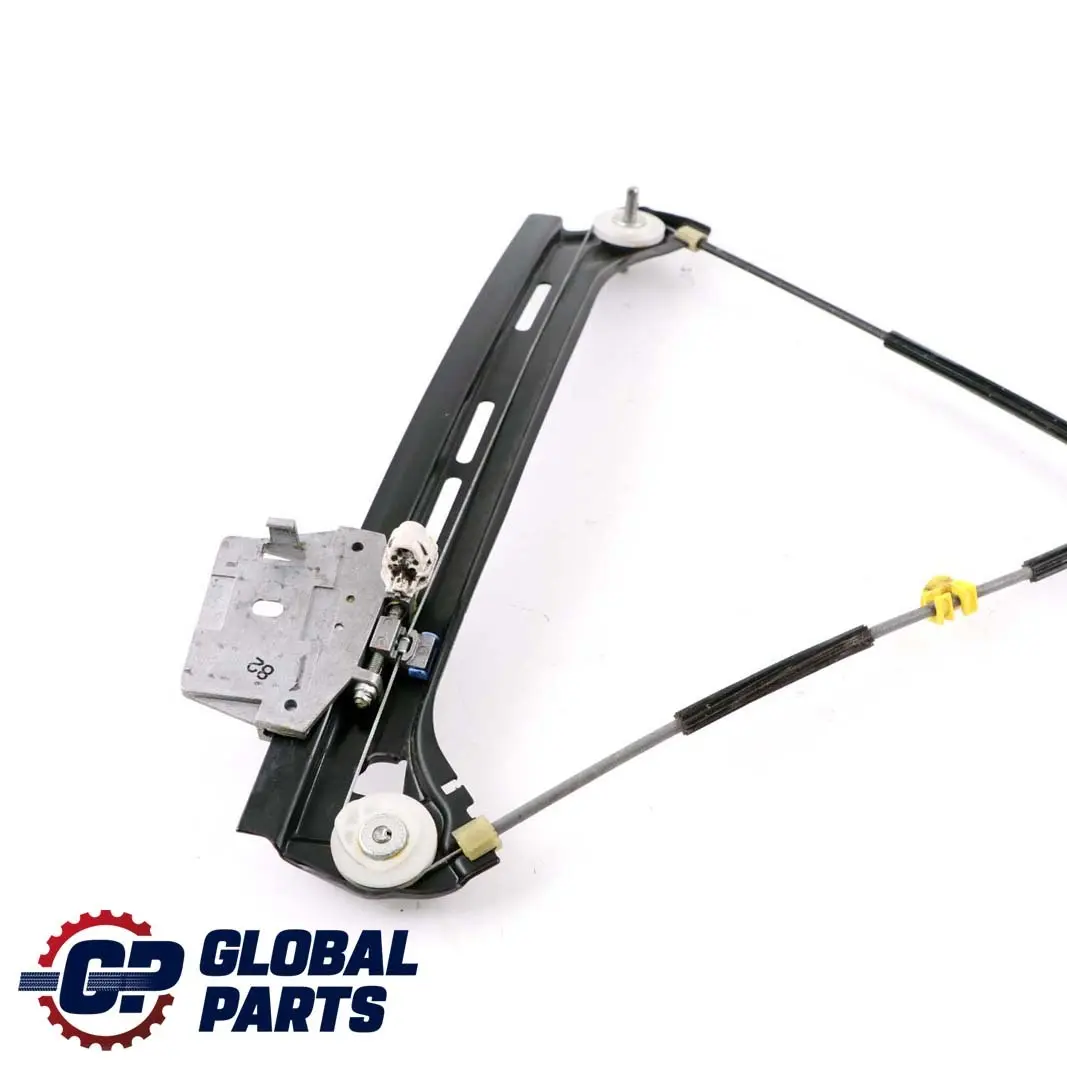


Mercedes-Benz E-Class W207 Front Left Door N/S Electric Window Lifter Regulator
SKU: A2077200746
Product from a certified dismantling facility
Condition:
Used
Available:
1
Delivery time:
Estimated delivery in the country France between Wed, Oct 21 and Fri, Oct 23
Dispatched today if paid before 14:00
Payment methods:








Returns:
30 days return
Delivery from:
Free delivery
€23.95
1
Lowest price in the last 30 days: €23.95
Total for items
€23.95
Mercedes W207 Front Left Door Window Regulator is a component from the Window Regulators and Motors category, designed for precise operation of the window in the front left door. Its proper placement on the vehicle and construction compliant with Mercedes standards ensure stable operation of the window lifting and lowering mechanism. It is a practical choice for users expecting efficient window system performance without altering the factory door architecture.
Specifications and technical data
- SKU: A2077200746
- Mark: Mercedes (Genuine OE)
- Condition: Used
- OEM Part Number: A2077200746
- Substitutable numbers: A2077200746, A 207 720 07 46, A2077200546, A 207 720 05 46, A2077200146, A 207 720 01 46, A2077200346, A 207 720 03 46
- Location on the vehicle: Front, Left
- Category: Window Motors & Regulators
Application and Fitment for Mercedes W207
The front left window regulator has been designed with the W207 body in mind, taking into account door geometry, guides, and factory mounting points. This ensures:
- correct window position relative to seals and door frame,
- proper interaction with the factory control motor,
- compatibility with original window mounts and hardware. Its placement on the vehicle, specified as front – left side, minimizes the risk of errors in part selection and simplifies planning for window system repairs.
Construction and Technical Characteristics
This regulator belongs to the group of components referred to as window regulators and motors, meaning it is responsible for transferring power from the control unit to the window. The design intended for the W207 ensures:
- stable window guidance throughout its entire range of motion,
- appropriate gear ratio for smooth lifting and lowering,
- compatibility with factory comfort closing systems. The solution based on original mounting geometry allows for maintaining correct mechanical loads, which translates to uniform window operation and reduced stress on the door.
Condition, Origin, and Benefits of Choosing a Used Part
The offered regulator comes from the Mercedes range and is marked as used, allowing for a combination of reasonable cost with the preservation of factory construction. In practice, this means:
- fitment to factory mounting points without modifications,
- retention of the original mechanism's operating characteristics,
- economical repair of the window system while maintaining manufacturer standards. For many users, choosing a tested used part is a rational compromise between cost and functionality, especially for specialized components like window regulators.
Installation and Operational Tips
When replacing the regulator in a Mercedes W207, it is advisable to pay attention to several technical aspects:
- check the condition of the window guides and mounts before installing the new component,
- ensure correct window positioning in the guides after reassembling the door,
- verify the mechanism's operation throughout its full range of motion before final upholstery reinstallation. Professional installation allows for full utilization of the part's potential and reduces the risk of further door intervention.
Mercedes Window Regulators and Motors – Selection and Alternatives
If you are looking for other Mercedes Window Regulators and Motors for your car, check out our dedicated category: Mercedes Window Regulators and Motors. There you will find a wide selection of components designed for various models of this brand, making it easier to find the right solution for your specific body version.
More on the Cost-Effectiveness of Used Components
When deciding to purchase a used window regulator, it is worth understanding the broader economic and technical context related to salvaged parts. An expert guide discussing, among other things, component selection by OEM numbers and the real cost differences between new and used drive elements can be helpful: Why it's worth buying used gearboxes and engines – facts instead of myths. Although it mainly concerns powertrains, the principles of cost-effectiveness and technical condition verification presented there well illustrate the approach to purchasing used car parts.
Delivery details
Ship to: France
Check delivery times for another country
Delivery Price
Service
Postage and packaging
Delivery time
Estimated delivery in the country France between Wed, Oct 21 and Fri, Oct 23
Dispatched today if paid before 14:00
Estimated delivery dates include sellers dispatch time, origin postcode,destination postcode and time of acceptance, and will depend on the postage service selected and receipt of cleared payment. Delivery times may vary, especially during peak periods.
Will usually dispatch within same working day if paid before 14:00 BST (excludes weekends and holidays). Expected dispatch time may vary and is based on sellers order cut-off time.
In the automotive store Global Parts, we offer fast and secure deliveries for our customers in France, ensuring maximum compliance with local service standards. Each order is processed with the utmost attention, guaranteeing a fluid shopping process and a timely delivery. If you need assistance in choosing the right part, our team of consultants will be happy to help you find the right part for your vehicle and provide information on installation, availability and parameters of the selected components.
Proposed car parts:
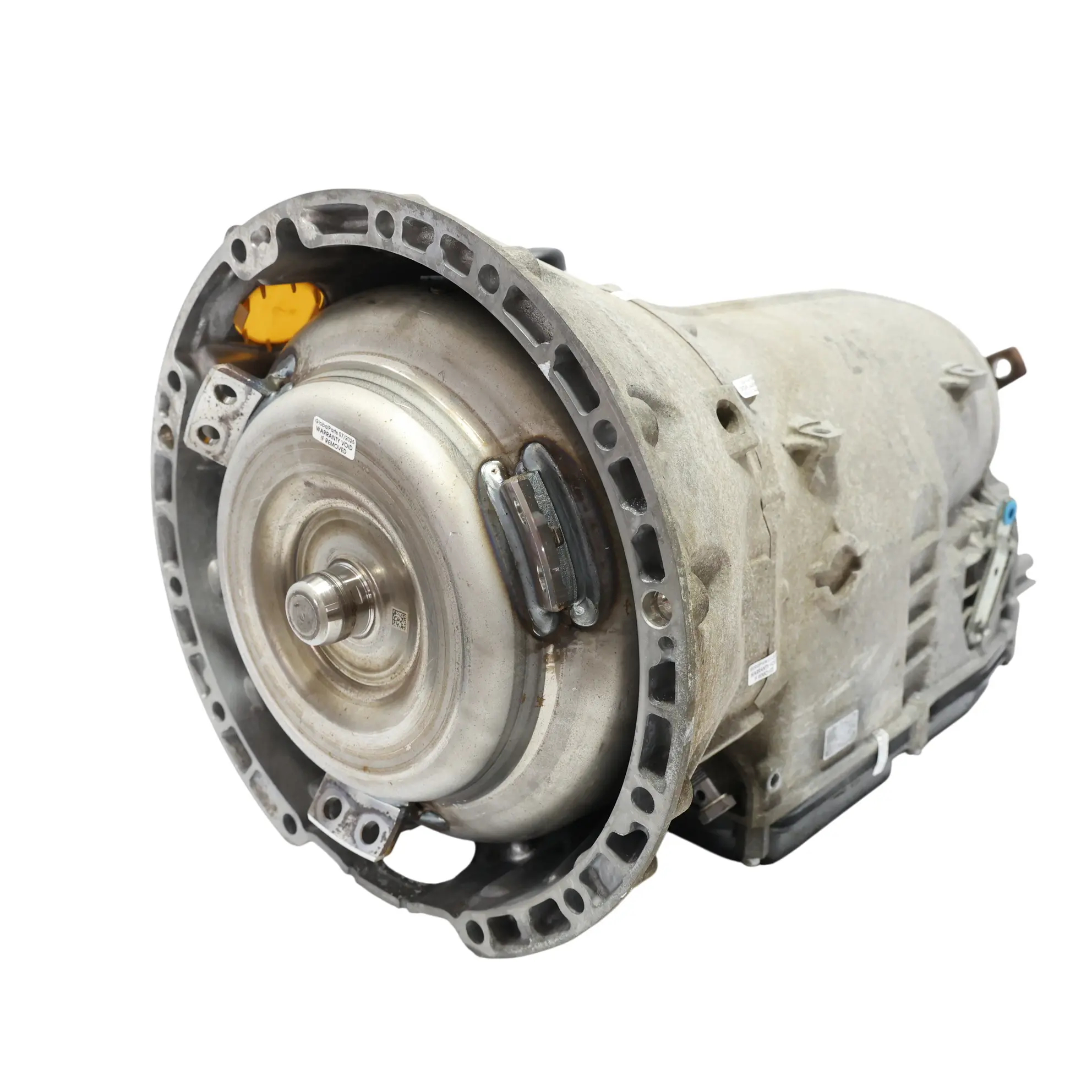
Part no. A2122705500
Mercedes W212 W204 Automatic Gearbox 722646 722.646 5 Speed A2122700500 WARRANTY
€712.95
Free delivery: Oct 21 – 23
If paid before 14:00
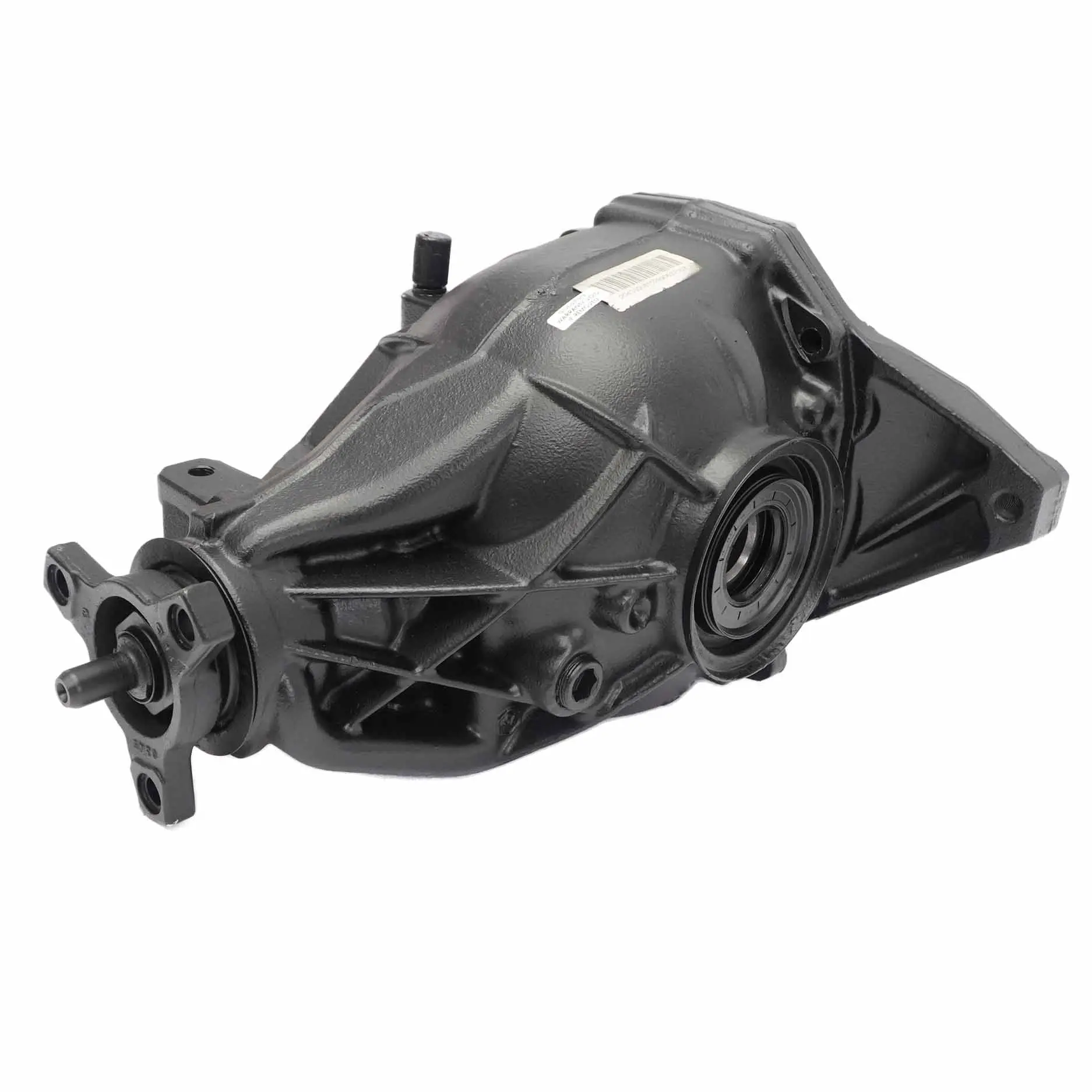
Part no. A2073500314
Mercedes W204 S204 W212 S212 Rear Axle Differential Diff 2,47 Ratio WARRANTY
€284.95
Free delivery: Oct 21 – 23
If paid before 14:00
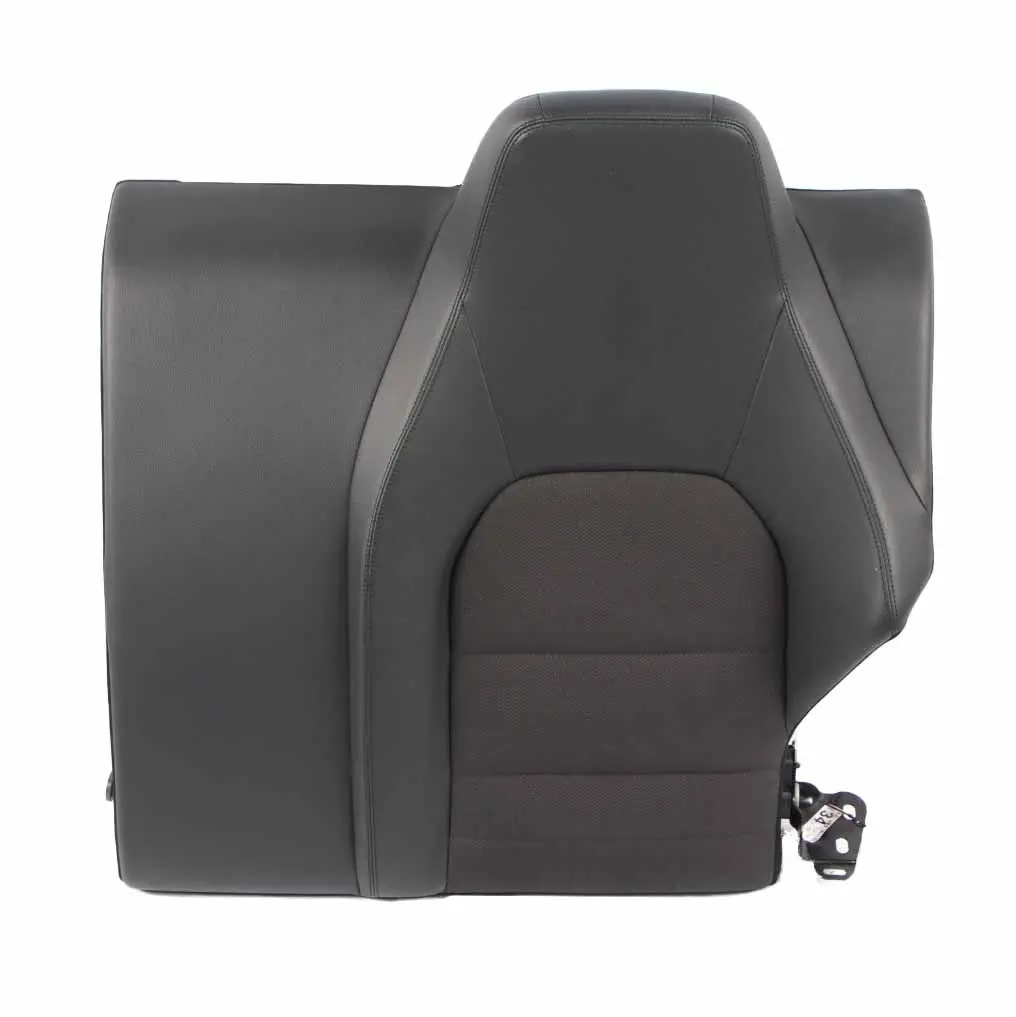
Part no. A2079200447
Seat Backrest Mercedes C204 C207 Rear Left N/S Cover Black Cloth Leather
€132.95
Free delivery: Oct 21 – 23
If paid before 14:00
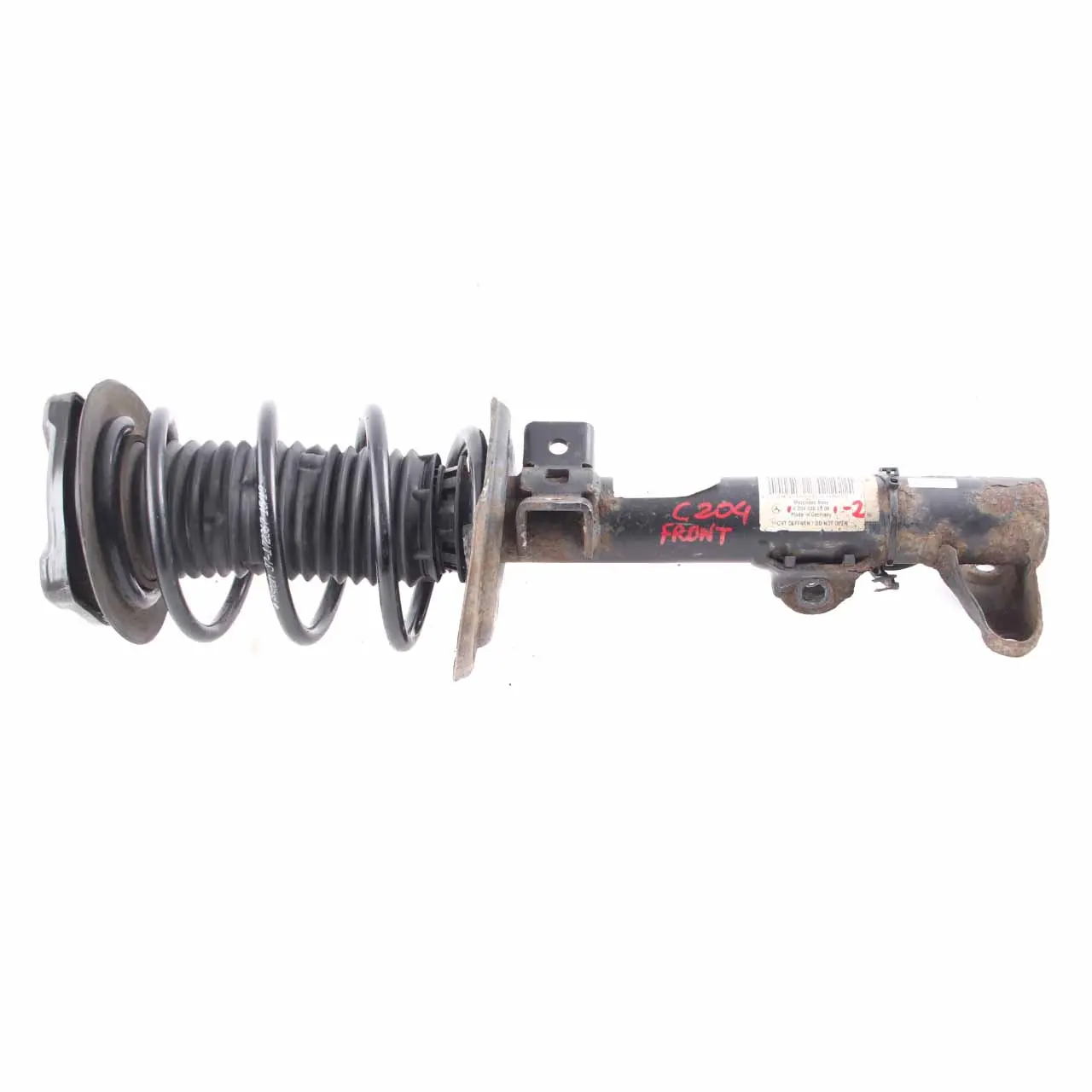
Part no. A2043202866-2
Mercedes W204 W207 Spring Strut Front Suspension Shock Absorber A2043202866
€66.95
Free delivery: Oct 21 – 23
If paid before 14:00
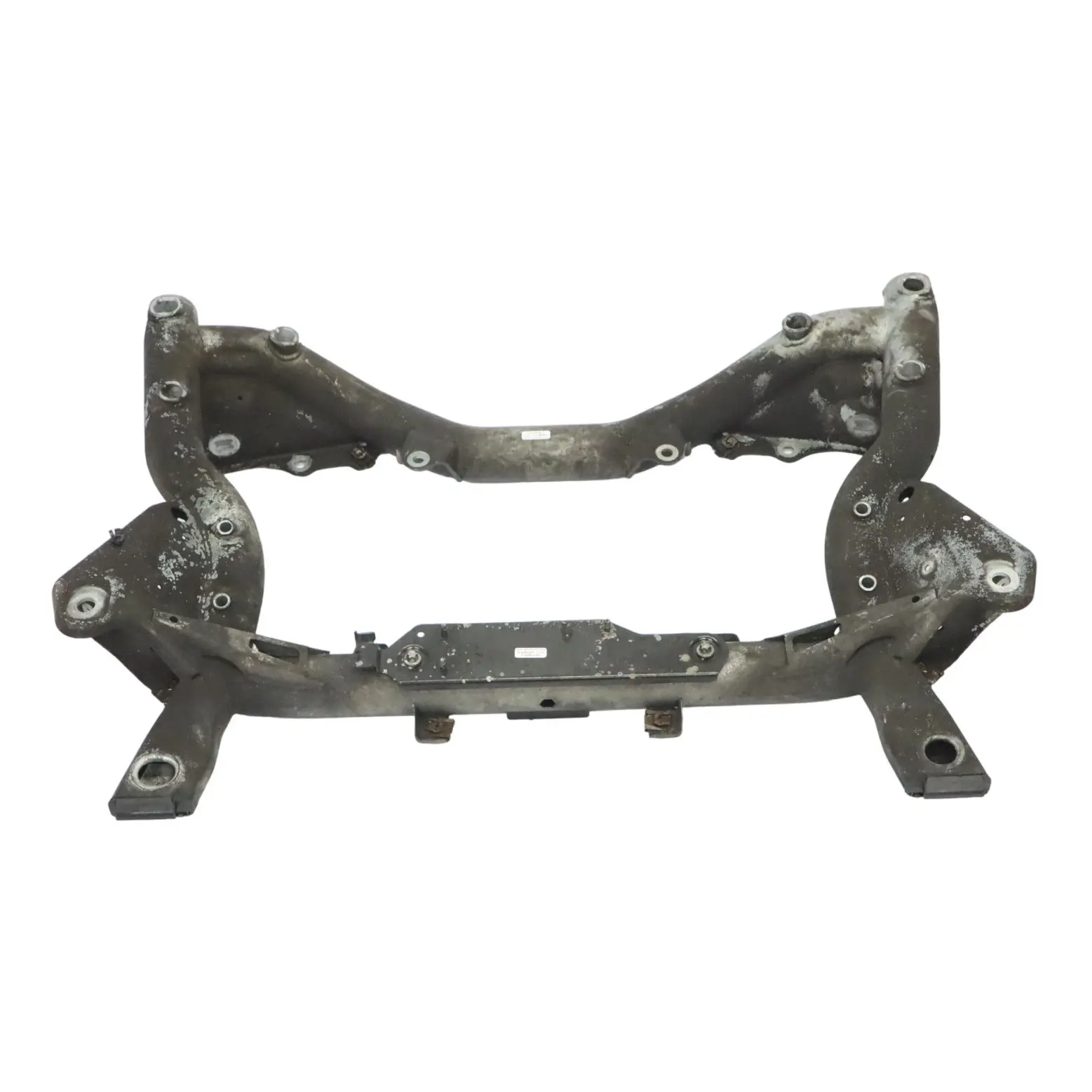
Part no. A2046280557
Mercedes W204 C207 Front Axle Subframe Carrier Engine Cradle A2046280557
€113.95
Free delivery: Oct 21 – 23
If paid before 14:00
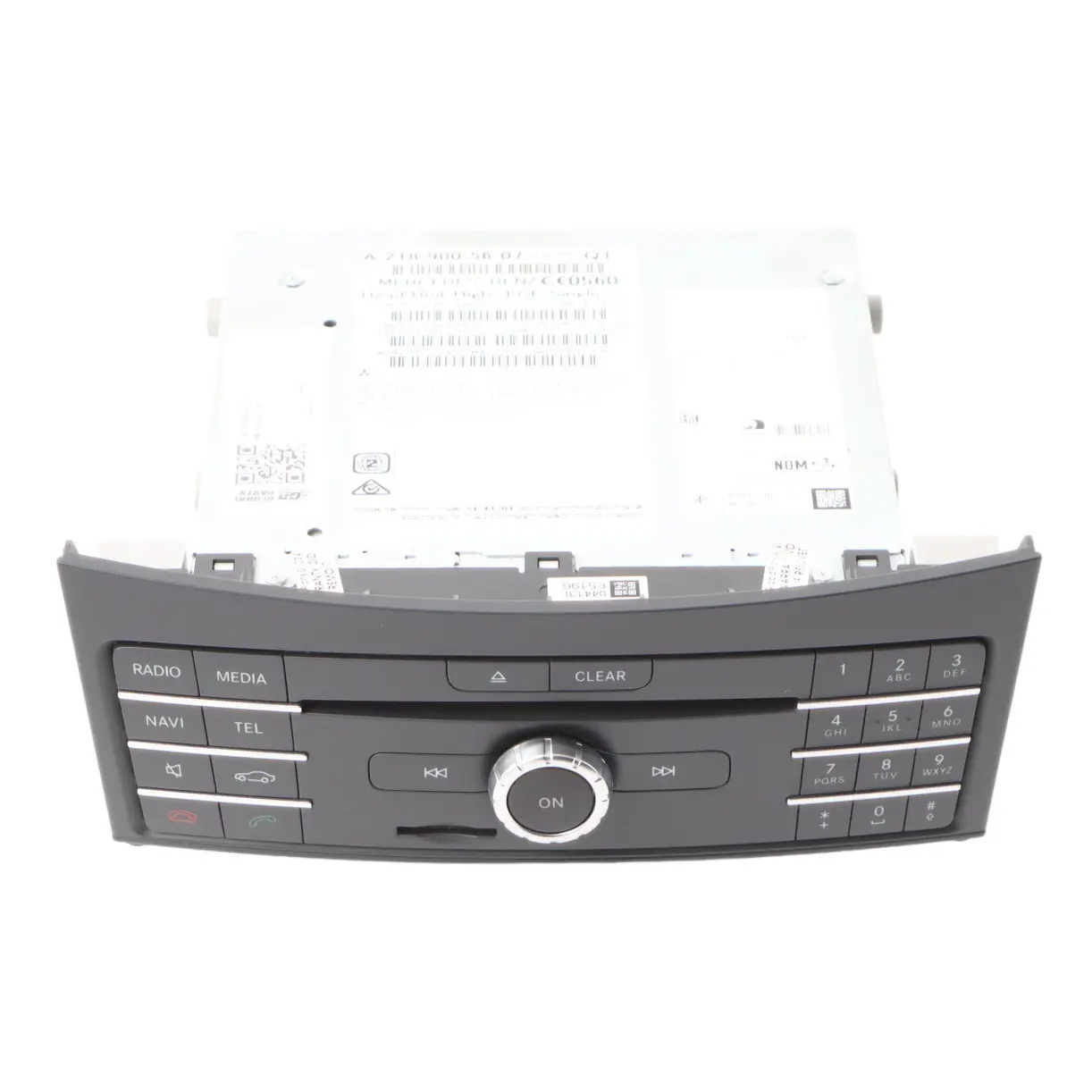
Part no. A2189005607
Radio Head Unit Mercedes W207 W212 COMAND Navi CD Player Navigation A2189005607
€237.95
Free delivery: Oct 21 – 23
If paid before 14:00
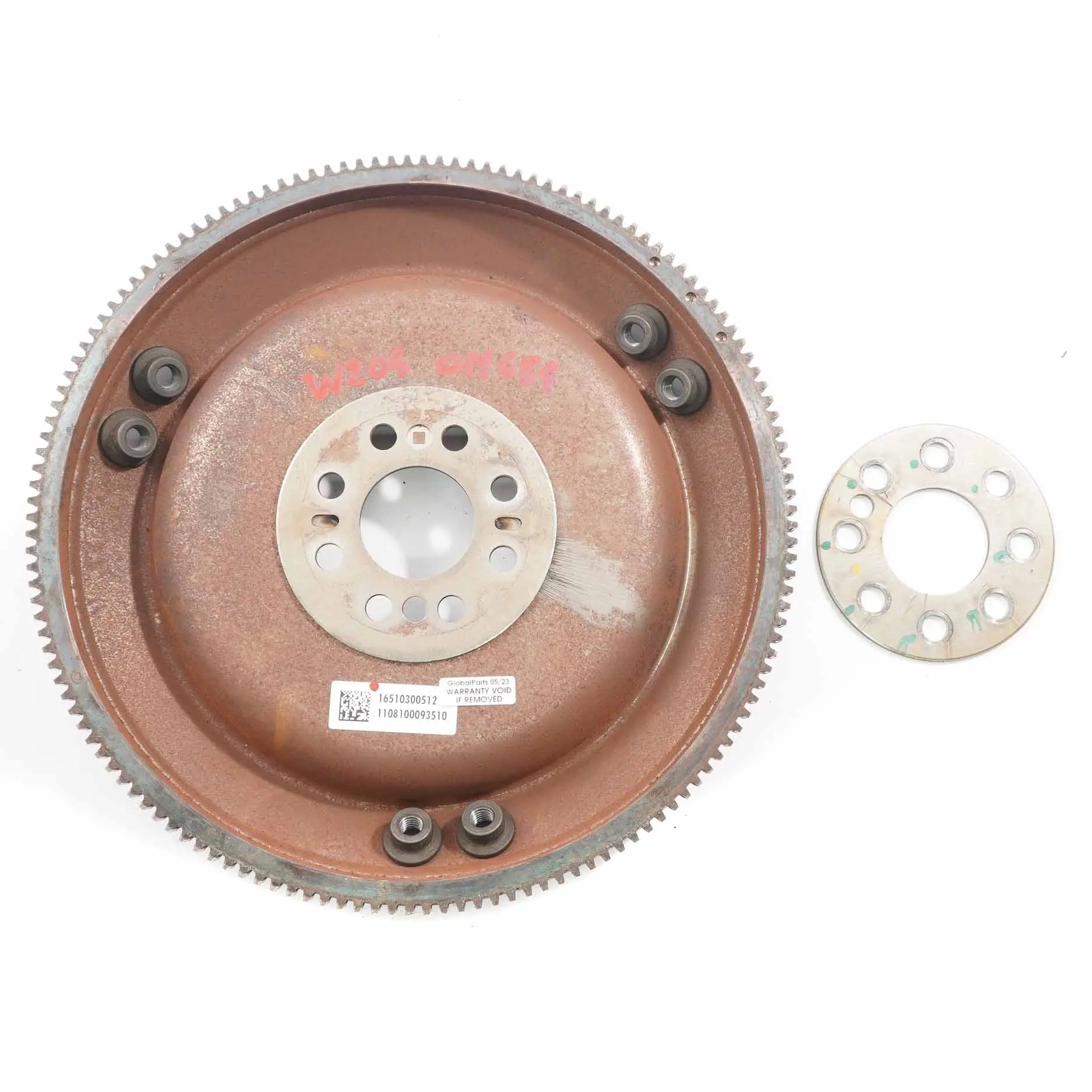
Part no. A6510300512
Flywheel Mercedes W204 OM651 Automatic Gearbox Starter Ring A6510300512
€132.95
Free delivery: Oct 21 – 23
If paid before 14:00
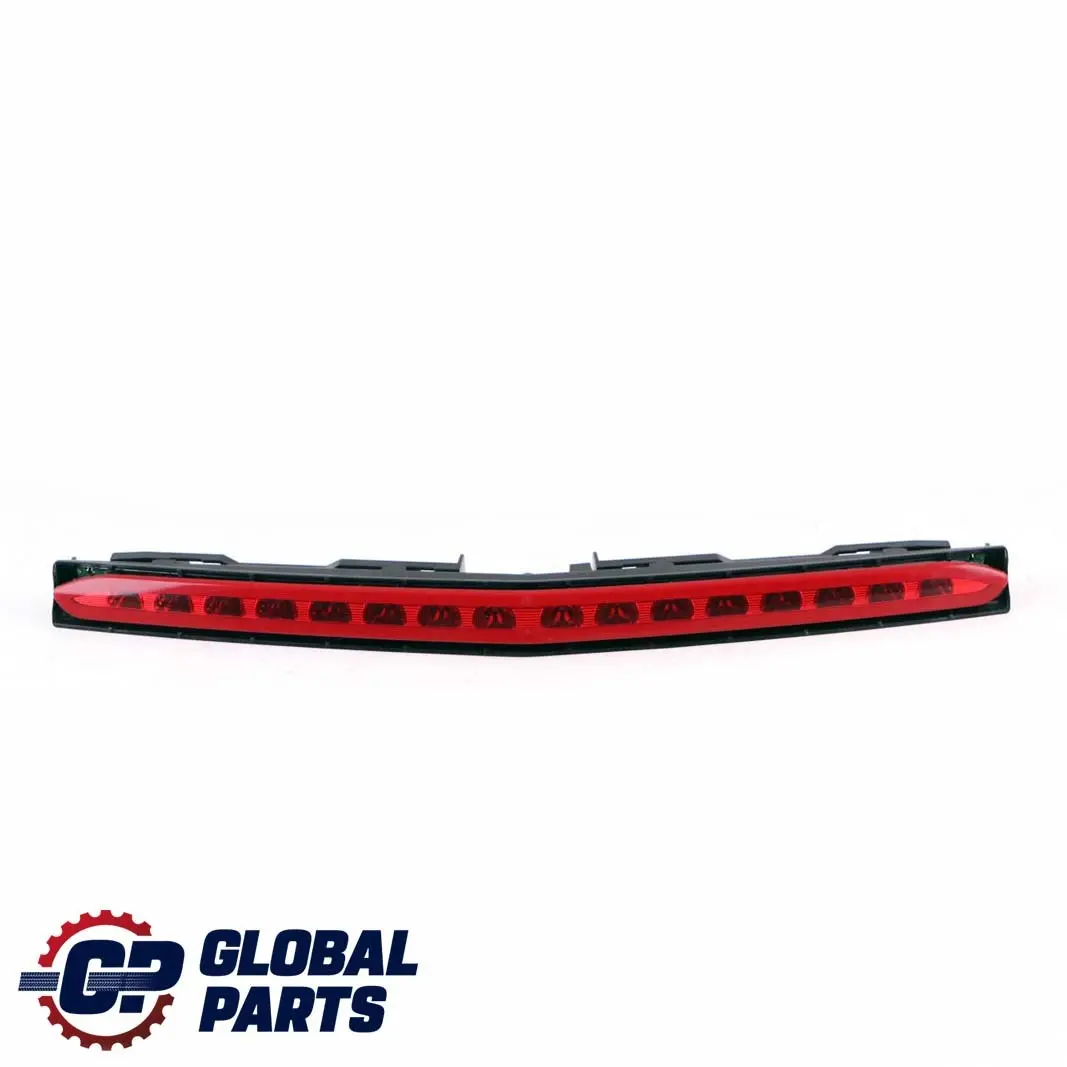
Part no. A2078200156
Mercedes W207 Rear Additional Stoplamp Third Brake Lamp Light A2078200156
€51.95
Free delivery: Oct 21 – 23
If paid before 14:00
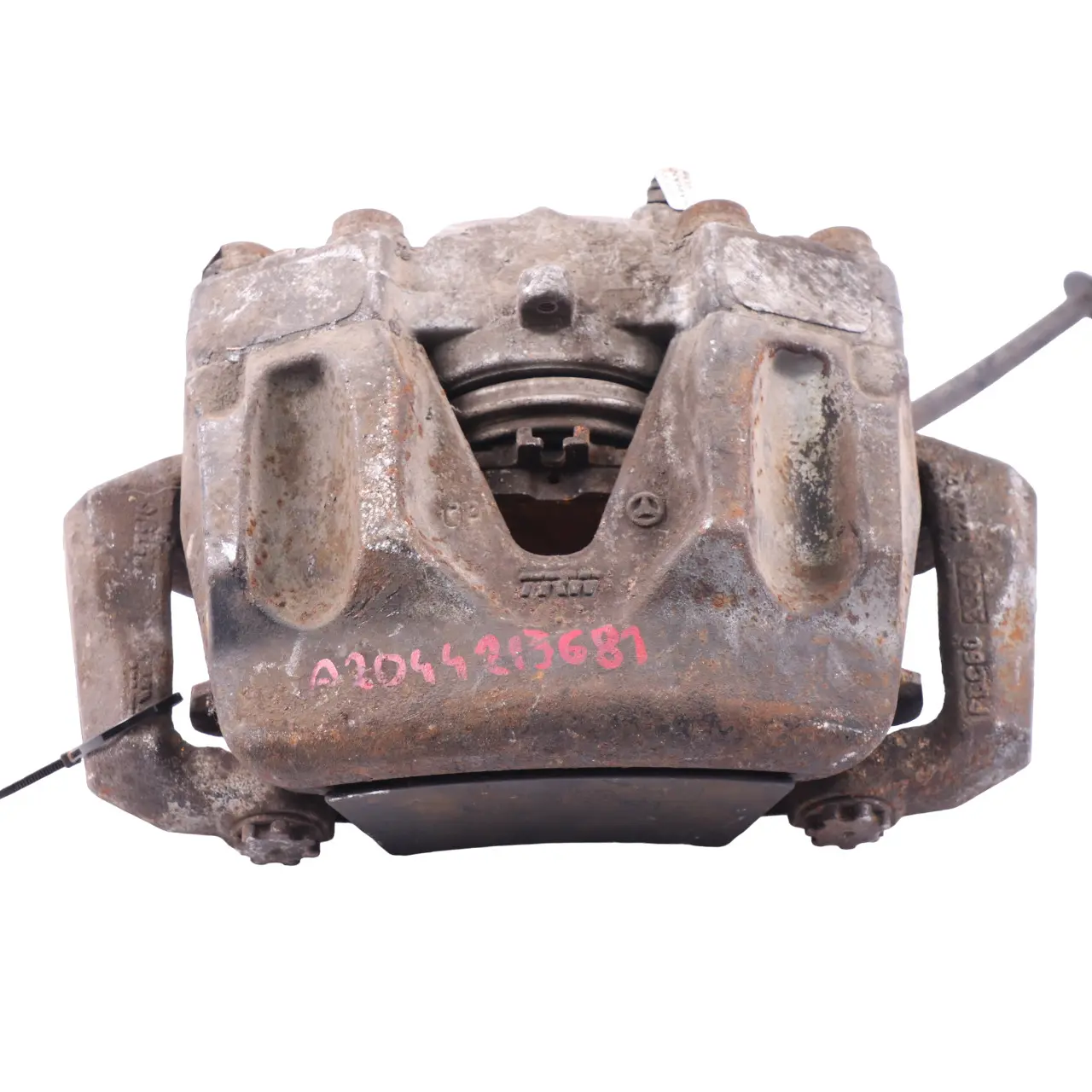
Part no. A2044213681-2
Mercedes W204 W212 Brake Caliper Front Right O/S TRW A2044213681
€56.95
Free delivery: Oct 21 – 23
If paid before 14:00
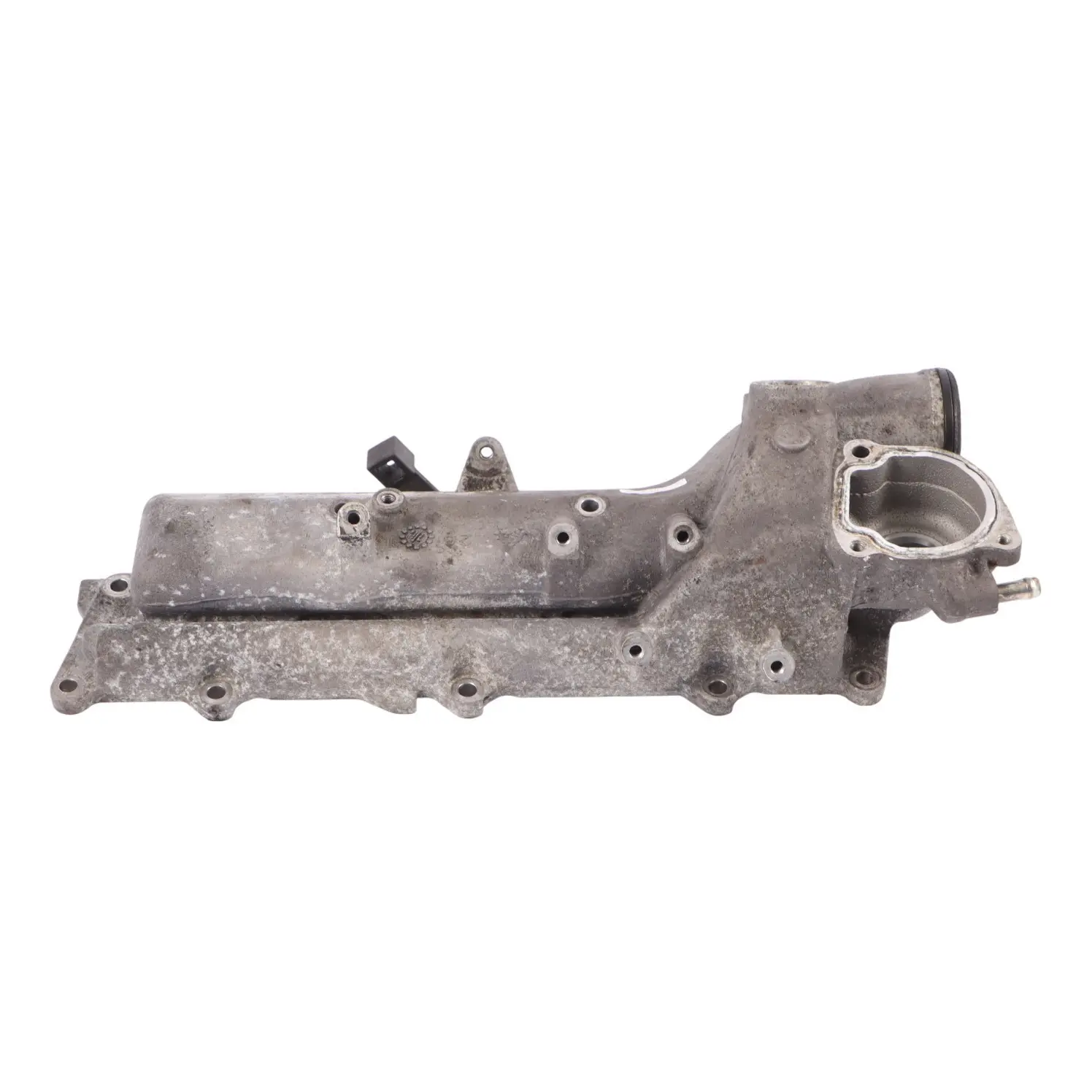
Part no. A6420907737-2
Mercedes W207 W212 W639 OM642 Air Charge Intake Manifold Right O/S A6420907737
€104.95
Free delivery: Oct 21 – 23
If paid before 14:00
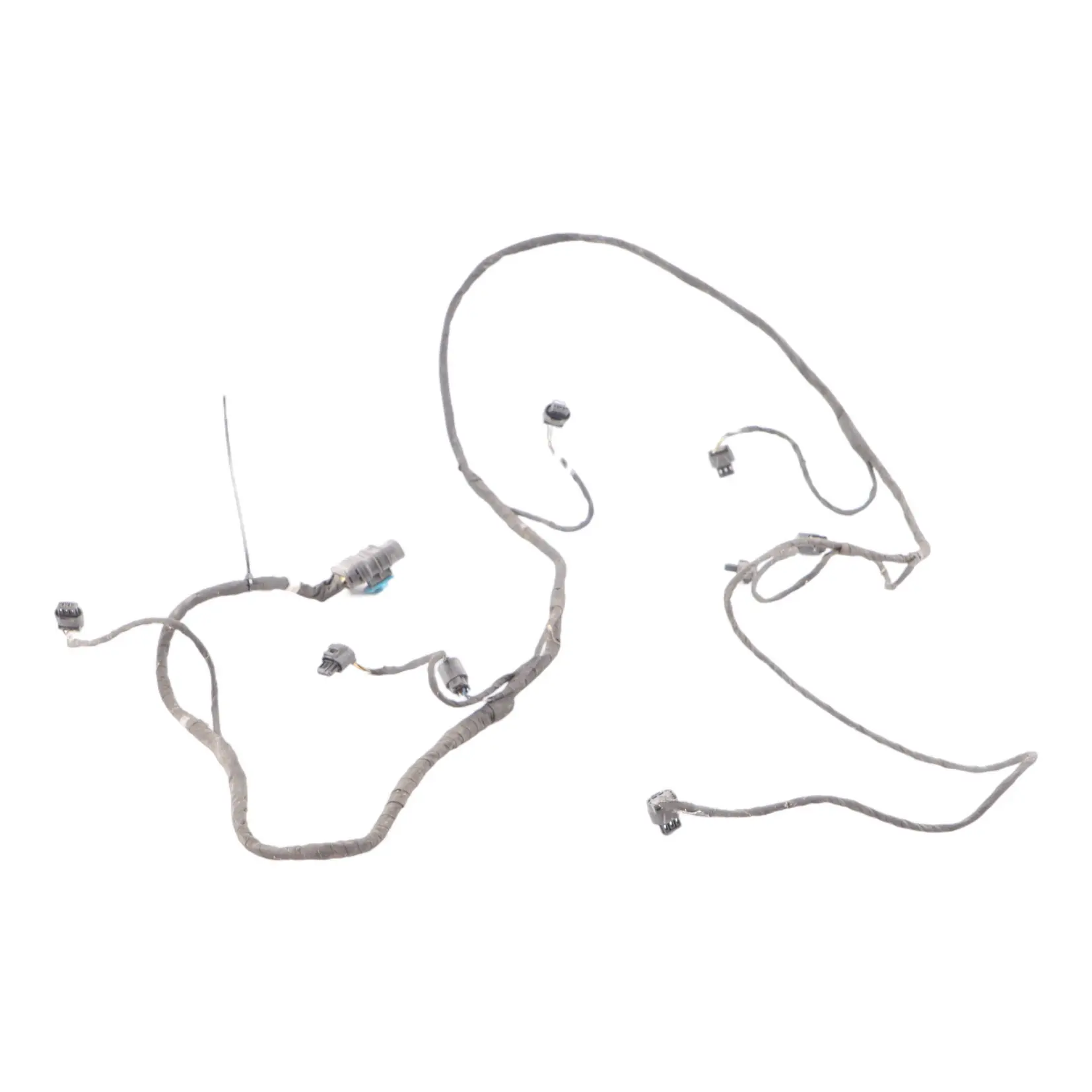
Part no. A2075406010
Mercedes W207 Front Bumper PDC Wiring Parking Sensor Loom Harness A2075406010
€28.95
Free delivery: Oct 21 – 23
If paid before 14:00
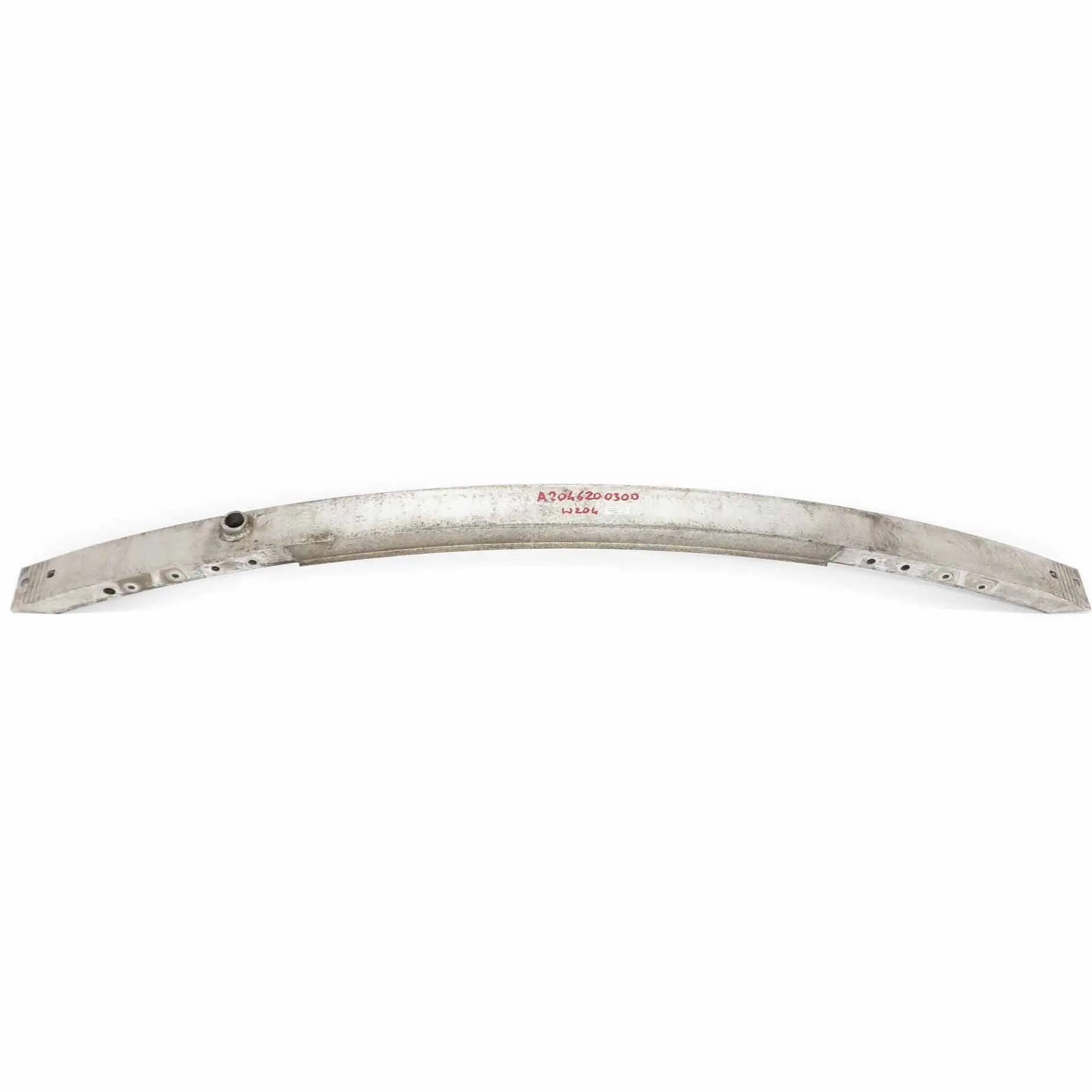
Part no. A2076200300
Mercedes W204 W207 Front Bumper Carrier Cross Member Support Bar A2076200300
€132.95
Free delivery: Oct 21 – 23
If paid before 14:00