


Turbochargers and parts
More informationAt Global Parts, we offer a wide selection of original used car parts, including turbochargers and parts for many popular car brands such as BMW, Mini, Mercedes, Audi, Volkswagen, and others. Our turbochargers and parts undergo quality control to ensure you receive a top-quality product.
Find it faster
Match to your vehicle
Make
Category
Subcategory
Condition
In Stock
Price
No search results
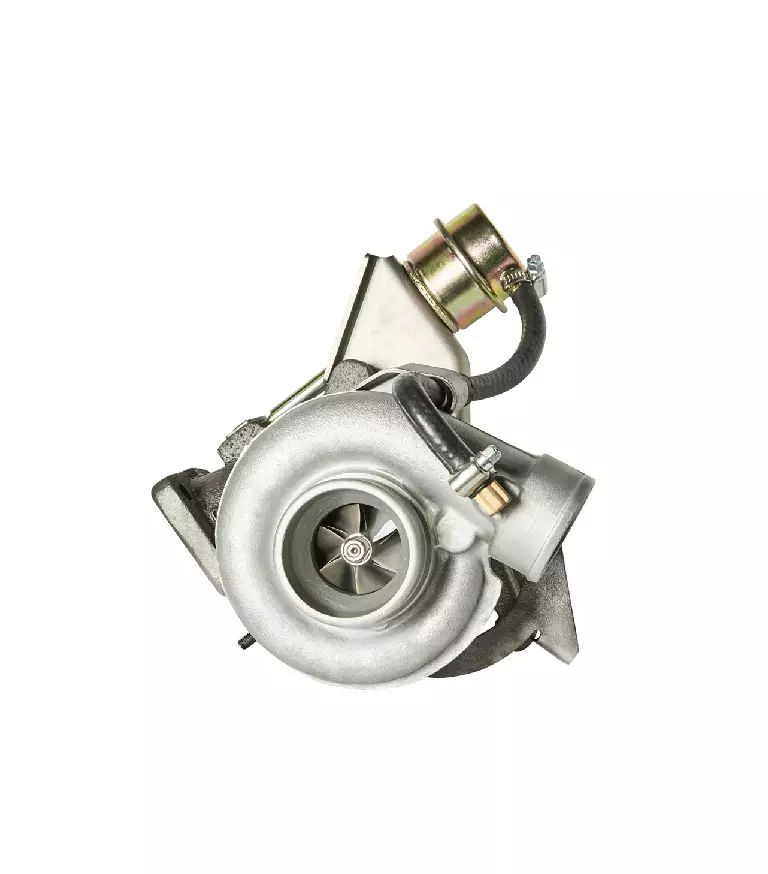
Turbochargers and components for enhanced engine power and performance
Turbochargers – increasing the performance of your car
Turbochargers and parts are key components in modern vehicles that increase engine power and efficiency. Thanks to turbocharging, the engine receives a larger volume of air, which enables the combustion of more fuel and the generation of higher power without the need to increase engine displacement. In the Global Parts automotive store, you will find a wide selection of used car parts, including turbochargers and parts, perfectly matched to brands such as BMW, Audi, Mercedes, Volkswagen, Mini, and others.
Design and operating principle of a turbocharger in practice
A turbocharger is a forced induction system component that uses exhaust gas energy to drive a turbine rotor, which compresses the air drawn into the engine. In practice, this means an increase in oxygen levels in the cylinders by up to 30–50% compared to a naturally aspirated engine of the same displacement. The result is higher torque available at lower RPMs and better engine flexibility. This solution is commonly used in both diesel engines and petrol turbocharger units, where compact designs like the mini turbocharger are increasingly common, especially in 1.0–1.5 TSI, TCe, or EcoBoost engines.
What functions do turbochargers and parts perform?
Turbochargers and their parts play a key role in the engine's forced induction system:
- Increased engine power – The turbocharger forces a larger volume of air into the combustion chamber, allowing for more efficient fuel combustion.
- Improved performance – Thanks to the increased air volume in the engine, the vehicle responds more quickly to acceleration.
- Reduced exhaust emissions – Efficient combustion of the fuel-air mixture limits the emission of harmful gases.
- Fuel economy – With moderate driving, a turbocharger can lower fuel consumption by increasing engine efficiency.
Characteristics of components working with the forced induction system
Turbochargers and parts consist not only of the housing and rotor but also oil lines, intake hoses, actuators, controllers, seals, and control elements. These components serve to maintain proper boost pressure, system tightness, and stable engine response under changing loads. For parts such as a BMW E90 320D turbo actuator, it is worth comparing the OEM number, plug type, mounting method, and compatibility with the specific geometry control version.
Turbochargers and real engine operating parameters
In modern designs, turbochargers operate at speeds reaching 180,000–250,000 RPM, and exhaust gas temperatures can exceed 900°C. This makes it possible to obtain high power from small displacements – for example, a 1.4 TSI engine with a turbocharger achieves power comparable to a naturally aspirated 2.0 engine. Such a solution improves the power-to-weight ratio of the vehicle, supports downsizing, and enables better compatibility with modern transmissions and start-stop systems.
Example applications of turbochargers
| System type | Characteristics | Components to check | Application |
|---|---|---|---|
| Single turbocharger | Most common in passenger cars, combines simpler design with a good operating range. | OEM number, oil connection type, hot and cold side housing | Petrol and diesel engines of many brands |
| VNT/VGT turbocharger | Features variable geometry turbine vanes, which improves response at low RPMs. | Vane condition, actuator, vacuum or electronic control | Most commonly modern diesel units |
| Biturbo system | Uses two turbochargers for better torque distribution and higher efficiency. | Hose layout, mounting side compatibility, intake accessories | Higher power engines and sports versions |
Why is it worth taking care of turbochargers and parts?
A malfunction of the turbocharger or its components can lead to a loss of power, engine problems, and increased fuel consumption. Typical symptoms of turbocharger problems include:
- Loss of engine power – A damaged turbocharger may limit the amount of air supplied to the engine.
- Operating noises – Whistling, squealing, or other unusual sounds may indicate wear of turbocharger components.
- Increased exhaust emissions – A faulty turbocharger can lead to inefficient combustion and increased emissions.
- Oil leaks – Problems with seals can cause oil leaks into the intake or exhaust system. If a replacement is needed, at Global Parts you will find suitable used car parts that will restore the full functionality of your turbocharger.
The role of the actuator and boost pressure control
The vacuum actuator is used to control the turbine geometry or the wastegate valve, depending on the system design. It is an actuator that reacts to vacuum and changes the position of the mechanism responsible for boost pressure. When choosing a component such as a vacuum actuator, you should check the rod length, mounting type, operating range, and compatibility with the turbocharger and control accessories.
Most common types of turbochargers used in passenger cars
Depending on the engine design and expected performance, different types of turbochargers are used: classic single units, biturbo systems, and variable geometry turbochargers (VNT/VGT). In petrol engines, mini turbochargers are gaining popularity as they react faster to the throttle and reduce turbo lag. In premium class cars (BMW, Audi, Mercedes), solutions optimized for torque from as low as 1500–1800 RPM are often found.
How to choose the right turbochargers and parts?
When choosing turbochargers and parts, you should pay attention to several key aspects:
- Vehicle model fitment – Every forced induction system has its specific technical requirements. In the Global Parts automotive store, you will find turbochargers and parts perfectly matched to BMW, Audi, Mercedes, Volkswagen, Mini, and others.
- Technical condition – Used turbochargers should be free from mechanical damage and fully functional.
- Turbocharger type – Ensure that the selected turbocharger is compatible with your engine (e.g., single, twin, or variable geometry turbochargers).
Turbocharger fitment and cooperation with other components
A correctly selected turbocharger should be compatible not only with the engine but also with the intake system, exhaust system, and lubrication system. In practice, this means compatibility with, among others, intercoolers, EGR valves, or boost pressure sensors. This allows for maintaining factory operating parameters and optimal cooperation with the engine control unit (ECU) without the need for software modifications.
Selecting parts by OEM number and product parameters
When looking for parts for a specific model, for example, A45 AMG turbo, it is worth verifying the OEM part number, interchangeable numbers, fuel type, component condition, and accessory version. Product descriptions may contain data helpful for matching, such as brand, fuel type, OEM part number, and information on compatibility with specific systems from the Turbochargers, compressors, and coolers category. For more complex systems, comparing with elements from the Compressors and parts group is also helpful, especially when the manufacturer used different forced induction solutions within one engine range.
Why choose used turbochargers and parts?
Used car parts, such as Turbochargers and parts, are an economical solution that allows for savings while maintaining high quality. By choosing used forced induction system components, you gain:
- Lower costs – Used turbochargers are significantly cheaper than new ones but offer equally high quality.
- Ecology – Recycling parts supports environmental protection and reduces waste.
- Wide selection – In our store, you will find used turbochargers and parts for the most popular car brands. More information on choosing between a remanufactured element and a dismantled part can be found in the article Remanufactured or used original – which part to choose for repairs?.
How to take care of turbochargers and parts?
To ensure turbochargers and parts work reliably for a long time, it is worth following a few rules:
- Regular inspections – Check the condition of the turbocharger during periodic technical inspections.
- Use high-quality oils – Regular oil changes and the use of good quality products extend the life of the turbocharger.
- Avoid excessive engine load – Prolonged driving at high RPMs can accelerate turbocharger wear.
FAQ
| Question | Answer |
|---|---|
| What is the design and purpose of turbochargers and parts? | Turbochargers and parts are forced induction system components mounted to the engine, between the exhaust and intake sides. A typical turbocharger consists of a hot and cold housing, a rotor, a shaft, bearings, and oil and air connection points. Depending on the version, the set is complemented by actuators, controllers, hoses, and seals responsible for the proper operation of the entire system. |
| What are turbochargers and parts used for? | Turbochargers and parts are used to increase the amount of air supplied to the cylinders, which improves torque and engine efficiency. The forced induction system supports achieving better performance without increasing engine displacement. Properly functioning control and sealing elements also help maintain stable boost pressure and correct engine response to the throttle. |
| What is the design and function of the turbine control actuator? | The turbine control actuator is an executive element connected to the variable geometry mechanism or the wastegate valve. It is used to change the position of the control system under the influence of vacuum or electronic control. Its design includes a housing, a diaphragm or drive, a rod, and mounting points, and its efficiency directly affects the accuracy of boost regulation. |
| How to select a turbocharger for a specific engine version? | The safest way is to compare the OEM number, interchangeable numbers, fuel type, and engine/accessory version. It is also worth checking the control method, type of oil connections, position of mounting points, and compatibility with the intake. For pre-facelift and facelift cars, differences in control accessories may also be significant. |
| What symptoms indicate a problem with the turbocharger or its accessories? | The most common symptoms include power loss, delayed response to acceleration, whistling, smoke, and traces of oil in the intake. In some cases, the problem concerns not the turbo body itself, but leaks in hoses, a damaged actuator, or sticking geometry. Therefore, before purchasing, it is worth determining which system element requires replacement. |
| How to maintain turbochargers and parts after installation? | After installation, ensure clean oil, clear lubrication lines, and a tight intake system. Good practice also includes checking the air filter, vacuum lines, and charge air cooling. Regular maintenance reduces the risk of overloading the newly installed component and helps maintain proper operating parameters. |
Summary: turbochargers and parts at the Global Parts automotive store
Turbochargers and parts are essential components that increase engine power and efficiency, and their correct selection requires checking compatibility with the engine version, accessories, and OEM number. The Global Parts offer includes solutions for many car models, including brands such as BMW, Mercedes, Audi, and others. This makes it easier to match the right turbocharger, actuator, controller, or other forced induction system elements to a specific car version. We invite you to contact us – we are here to help! For more information and interesting facts, we also invite you to visit our automotive blog.