


Tappets & Lifters
Find it faster
Match to your vehicle
Make
Category
Subcategory
Timing Components & Kits
Condition
In Stock
Price
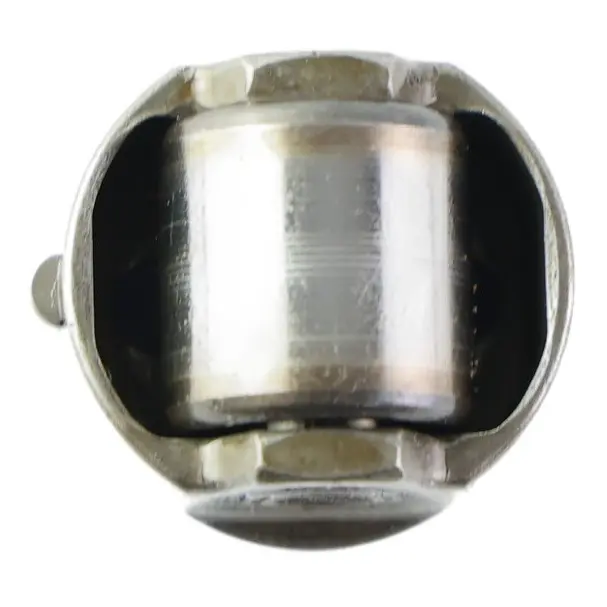
Part no. A2700500122-1
Mercedes C117 W205 C218 Cylinder Head High Pressure Pump Tappet M270 A2700500122
€23.95
Free delivery: Sep 16 – 18
If paid before 14:00
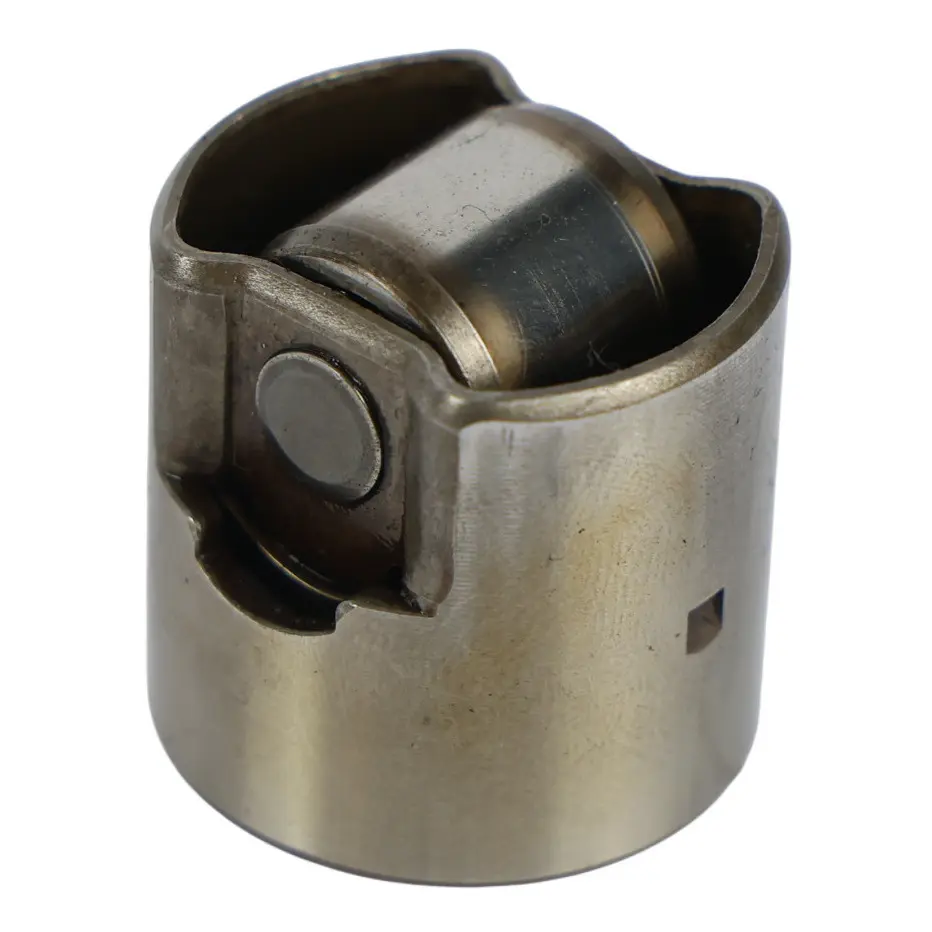
Part no. A2780504500
Mercedes W176 W203 Cylinder Head High Pressure Pump Tappet M133 M276 A2780504500
€23.95
Free delivery: Sep 16 – 18
If paid before 14:00
-5%
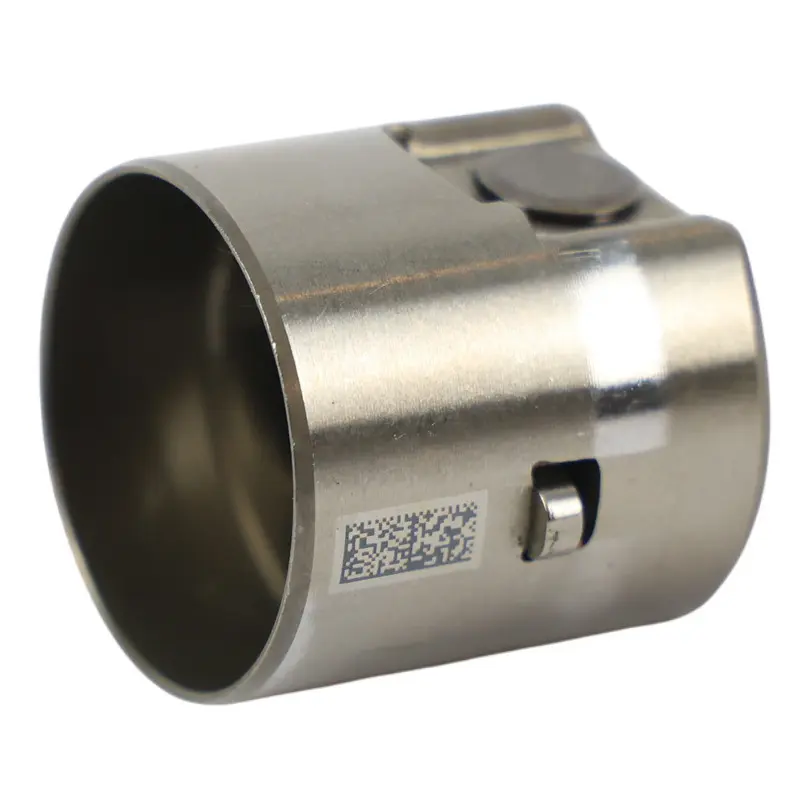
Part no. A2700500122
Mercedes C117 W205 Cylinder Head High Pressure Pump Tappet M270 A2700500122
Promo price
€23.95
€22.75
Free delivery: Sep 16 – 18
If paid before 14:00

Part no. A2078000072-3
Mercedes A207 Convertible Folding Top Roof Hydraulic Cylinder Set A2078000072
Product currently unavailable
Tappets & Lifters
In the Global Parts automotive store, you will find a wide selection of used car parts, compatible with brands such as Mercedes, BMW, Unbranded, and others. Valve lifters are a crucial component of the timing system, which is why when selecting this part, it is important to pay attention to compatibility with the engine unit, fuel type, OEM part number, and placement on the vehicle.
Design and purpose of valve lifters
Valve lifters are timing mechanism components installed between the camshaft lobe and the valve or the lever interacting with it. Valve lifters are used to transmit motion and maintain the correct operation of intake and exhaust valves at the appropriate moment of the engine cycle. A typical component can have a mechanical or hydraulic design, and its selection depends on the cylinder head construction, timing drive type, and engine version. In practice, it is necessary to compare the diameter, height, method of interaction with the seat, and compatibility with timing parts.
Comparison of valve lifter variants
| Lifter type | Characteristics | What to check before selection |
|---|---|---|
| Hydraulic | Uses oil pressure to compensate for valve clearance and supports quieter system operation. | OEM number, compatibility with oil channels, body diameter, and engine type. |
| Mechanical | Operates without automatic clearance compensation, therefore requiring proper adjustment according to the manufacturer's design. | Component height, contact surface, cylinder head version, and interaction with clearance adjustment. |
| Rollers and lever-interacting variants | Used in selected designs to reduce friction and ensure stable motion transmission. | Compatibility with lever lifters and parts, contact points, and guidance method in the cylinder head. |
Function of valve lifters and symptoms of mismatch
A valve lifter is used to transmit motion from the camshaft to the valve while maintaining proper working contact between the interacting surfaces. This component affects the engine's refinement, correct valve opening, and idle stability. Symptoms of mismatch or wear may include noise from the upper part of the engine, rough operation, and problems with maintaining timing parameters. When choosing a component like an Audi A3 8P climate control panel, one compares connectors and buttons, whereas for lifters, the key factors are the OEM number, design type, and compatibility with the cylinder head seat.
Interacting components and selection principles
A valve tappet is a type of lifter with a cylindrical design that interacts directly with the camshaft lobe and the valve stem. This type of solution requires a very precise comparison of the component's height, outer diameter, and lubrication conditions. When selecting a set, it is worth checking camshafts, engine valves, and the presence of compatible interchangeable numbers. When completing a repair for a specific model, e.g., BMW E90, it is good to verify the engine version, cylinder head marking, and part compatibility via VIN.
Installation, fitment, and parameter control
Installing valve lifters requires a clean lubrication system, correct part positioning, and inspection of interacting surfaces. Before installation, it is worth checking the condition of the seats, oil channels, and components from the timing adjustment parts category, if the design requires them. If you are looking for a subassembly like a BMW F30 steering wheel, you usually compare buttons and the airbag, but for lifters, you should focus on diameter, height, hydraulic or mechanical operation type, and compatibility with the OEM part number. Additionally, it is worth checking the guide Second-hand differential – what you need to know about used differentials, sensors, and drive systems, which shows how to technically evaluate used subassemblies and compare their markings.
FAQ
| Question | Answer |
|---|---|
| What is the design and purpose of valve lifters? | Valve lifters are timing system components located in the engine cylinder head between the camshaft and the valves or valve levers. A typical lifter consists of a working body, a contact surface with the cam, and a part interacting with the valve, and in hydraulic versions, also a chamber using oil pressure. Their purpose is to stably transmit motion and maintain correct valve operation in the engine cycle. |
| What are valve lifters used for? | Valve lifters are used to transmit motion from the camshaft to the valves and to ensure proper interaction of timing components. They are responsible for the precision of valve opening and closing, and in hydraulic variants, also for reducing operating clearance. Without a correctly selected lifter, the system may operate louder, less smoothly, and with reduced efficiency. |
| What is the design and function of a valve tappet? | A valve tappet is a cylindrical working element used in selected timing designs, interacting directly with the camshaft lobe. Its function is to transmit pressure to the valve while maintaining proper guidance in the cylinder head seat. In practice, not only the diameter and height are important, but also the quality of the contact surface and compatibility with the oil circulation in the cylinder head. |
| How to select valve lifters for an engine? | When selecting, it is worth comparing the OEM part number, interchangeable numbers, fuel type, and the design of the specific engine unit. Placement on the vehicle and compatibility with the cylinder head, camshaft, and clearance adjustment method are also important. In the case of several versions of the same engine, it is best to additionally verify the part by VIN. |
| What symptoms may indicate a problem with valve lifters? | Typical symptoms include metallic tapping in the upper part of the engine, rough operation after starting, and deterioration of engine refinement. In some cases, there is also a poorer response to load, especially when the problem concerns lubrication or incorrect interaction with the camshaft. Symptoms should always be evaluated together with the condition of the oil and other timing components. |
| What parameters should be checked before installing valve lifters? | Before installation, you should check the compatibility of the OEM number, working dimensions, lifter type, and the condition of interacting surfaces. The cleanliness of oil channels, the condition of seats in the cylinder head, and compatibility with other timing components are also important. A good practice is to compare the old and new parts in terms of height, diameter, and seating method. |
Summary: valve lifters in the Global Parts automotive store
Valve lifters are responsible for the correct interaction of timing components and have a direct impact on engine refinement, which is why their selection should take into account the OEM part number, engine unit design, and compatibility with interacting elements. The Global Parts offer includes used parts for many models and engine versions, including vehicles from brands such as Mercedes, BMW, Unbranded, and others. Feel free to contact us – we are here to help you! For more information and interesting facts, we also invite you to visit our automotive blog.