


Discount 15%
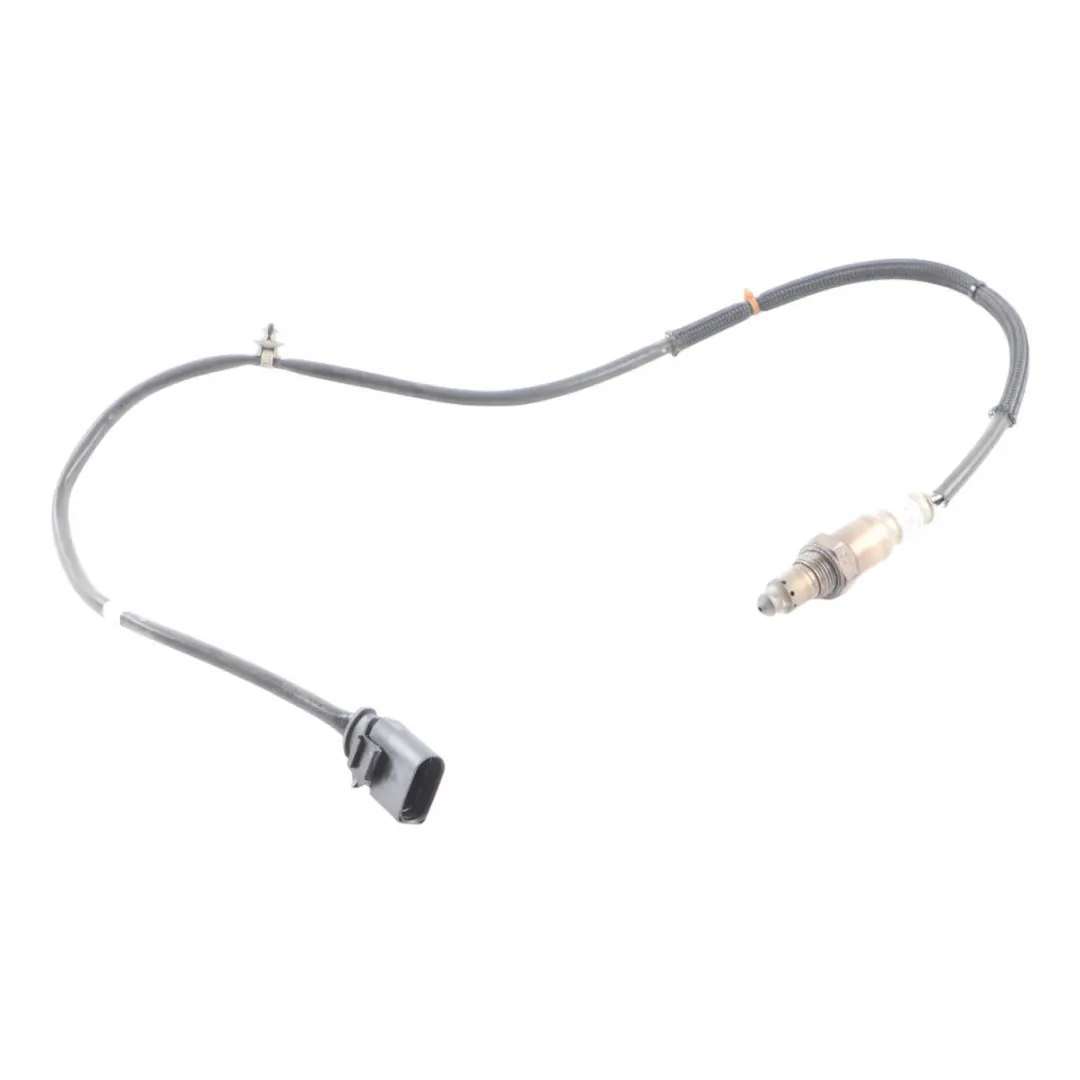
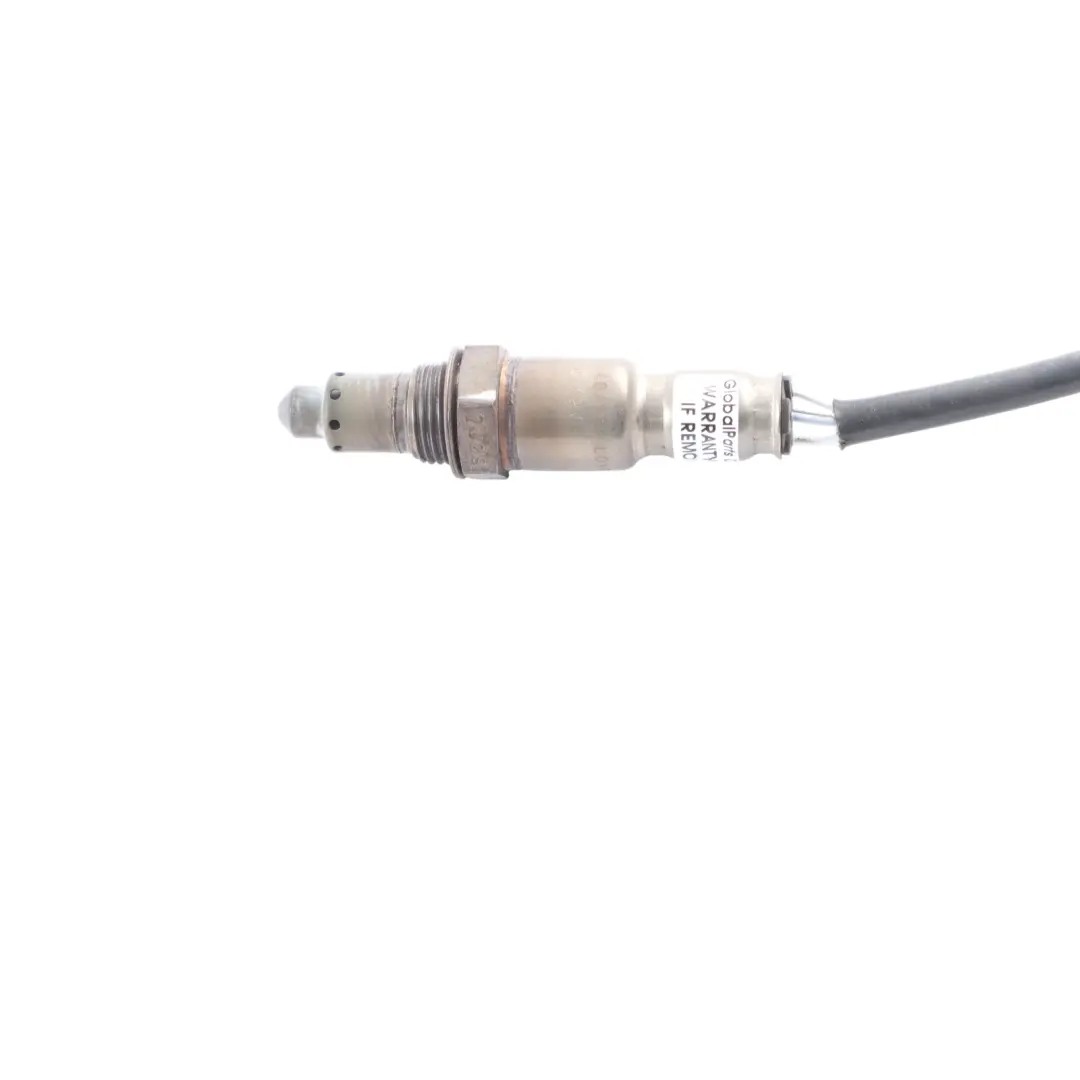
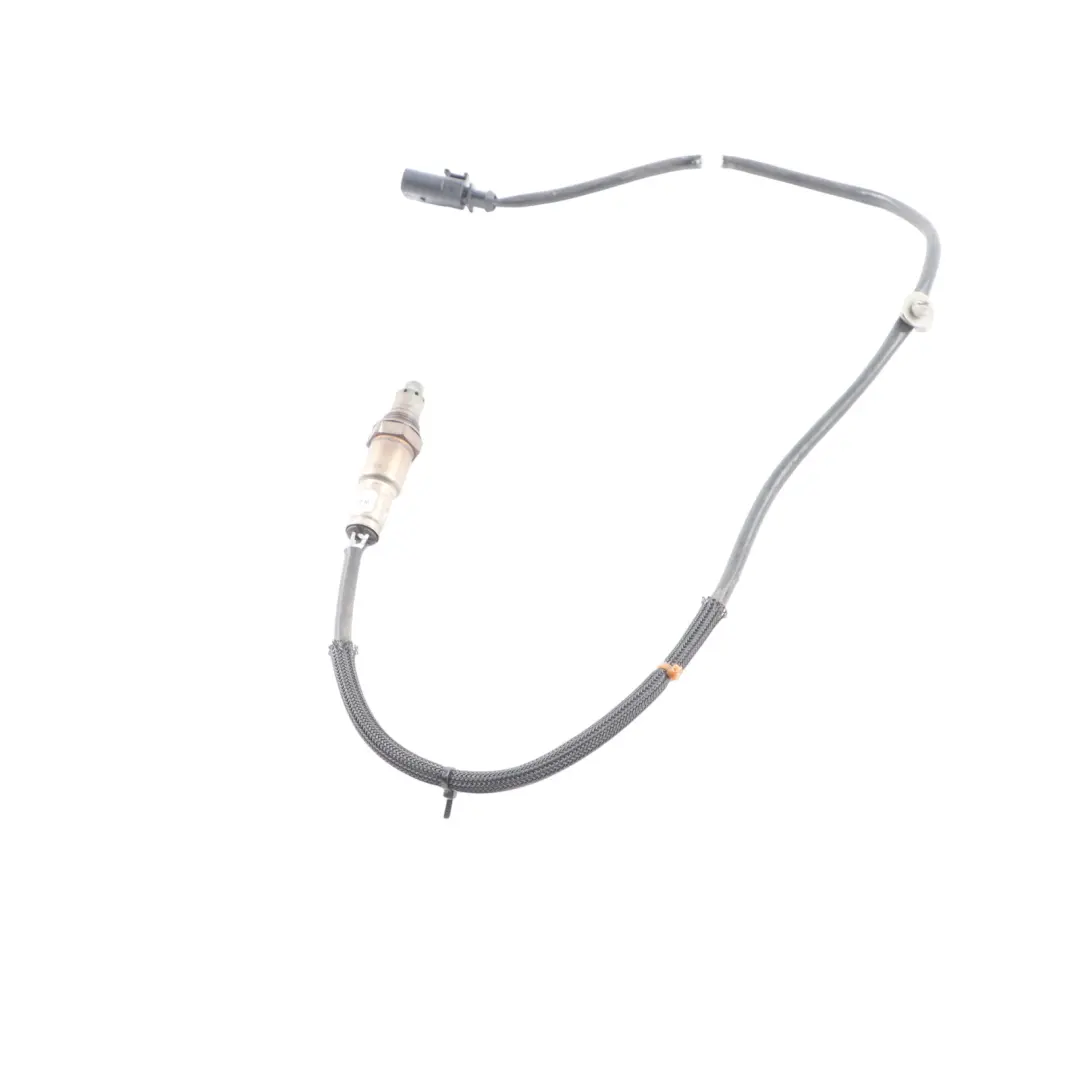
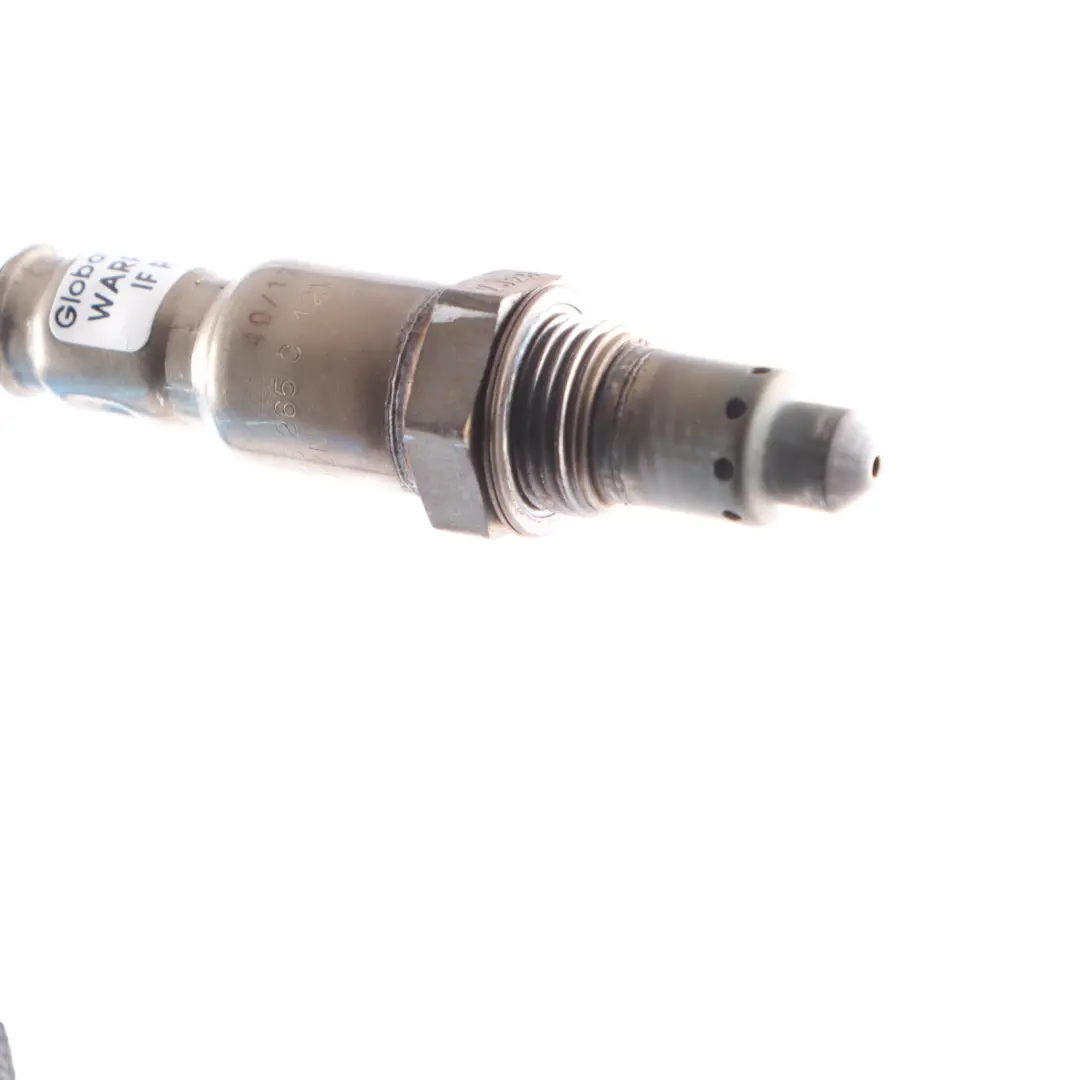
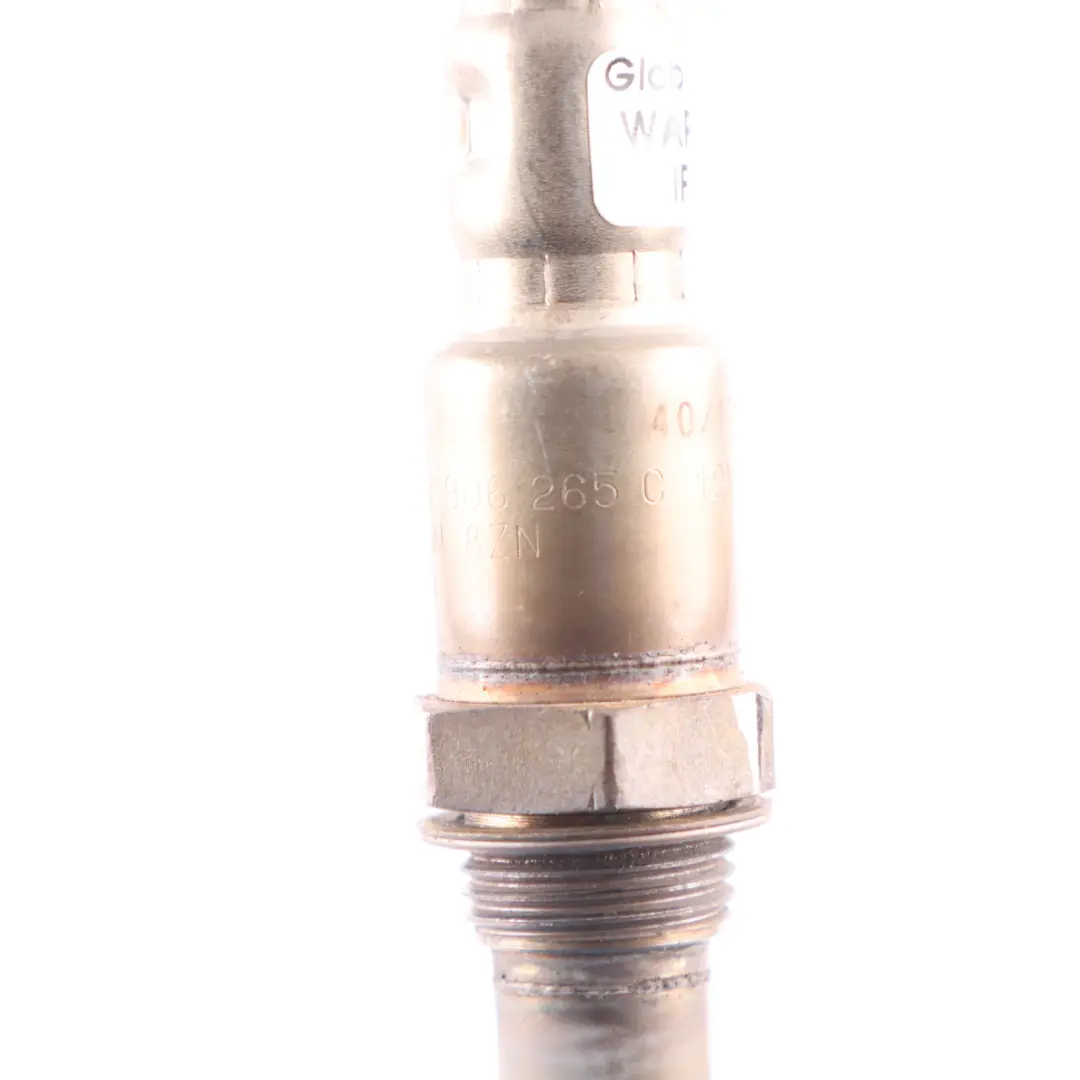
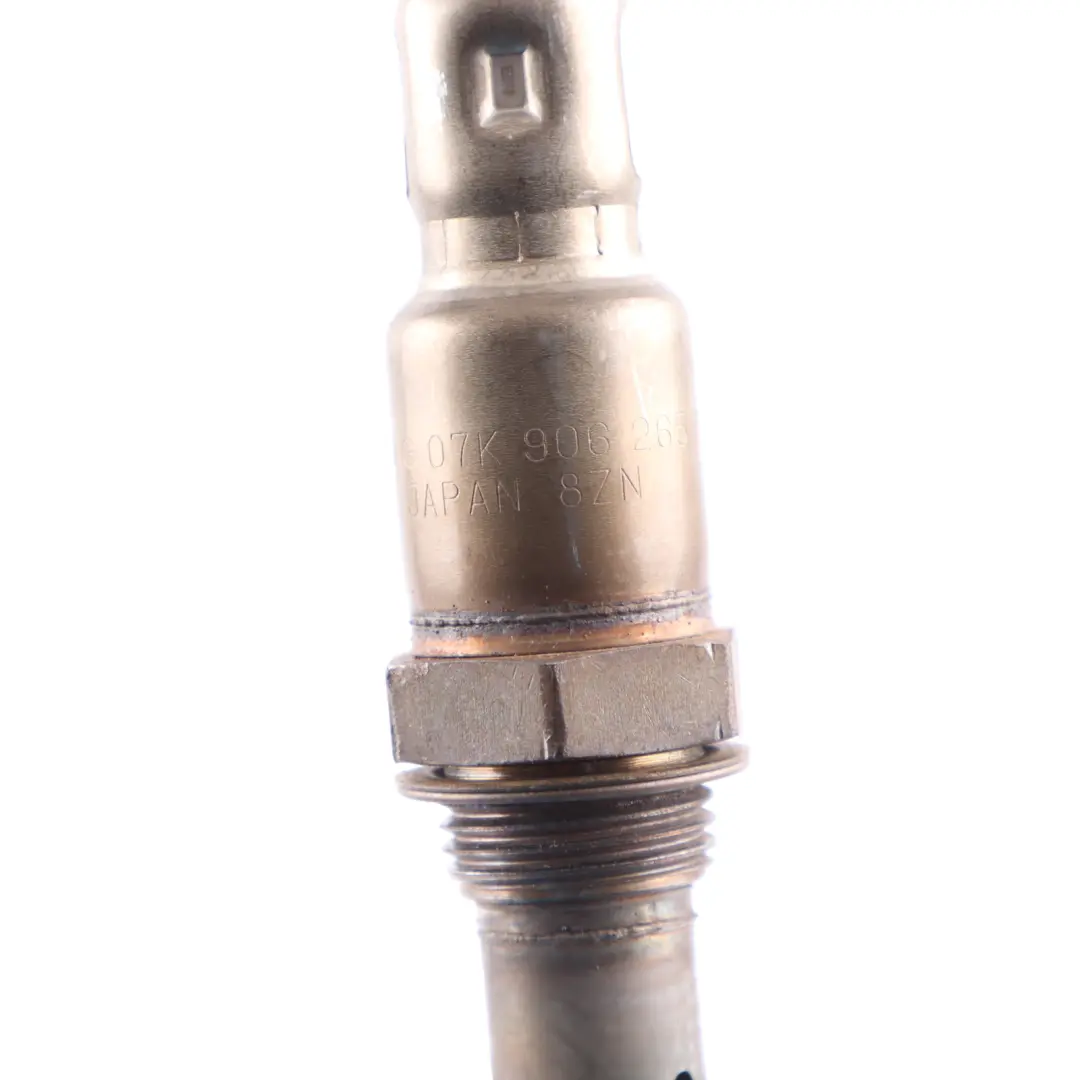
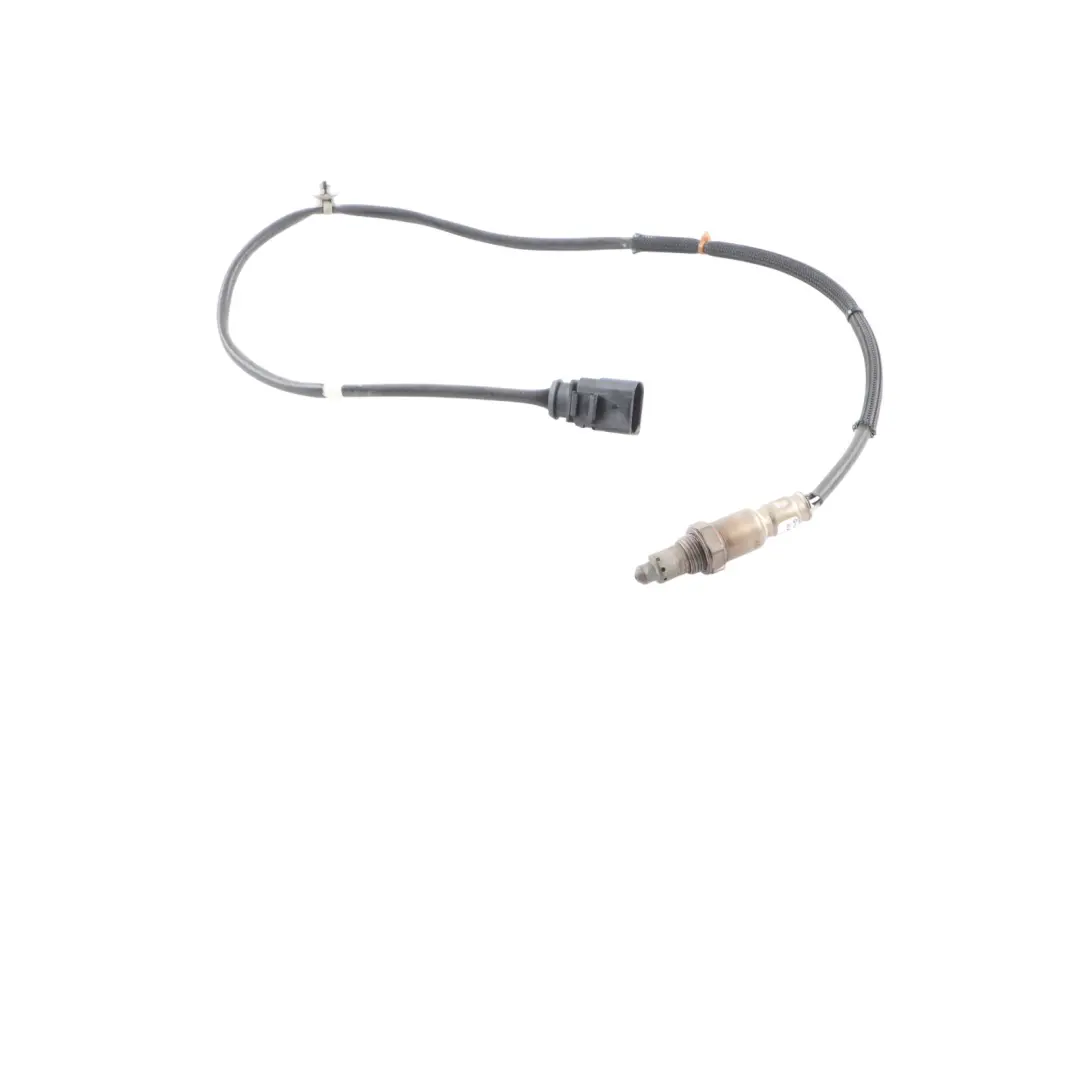
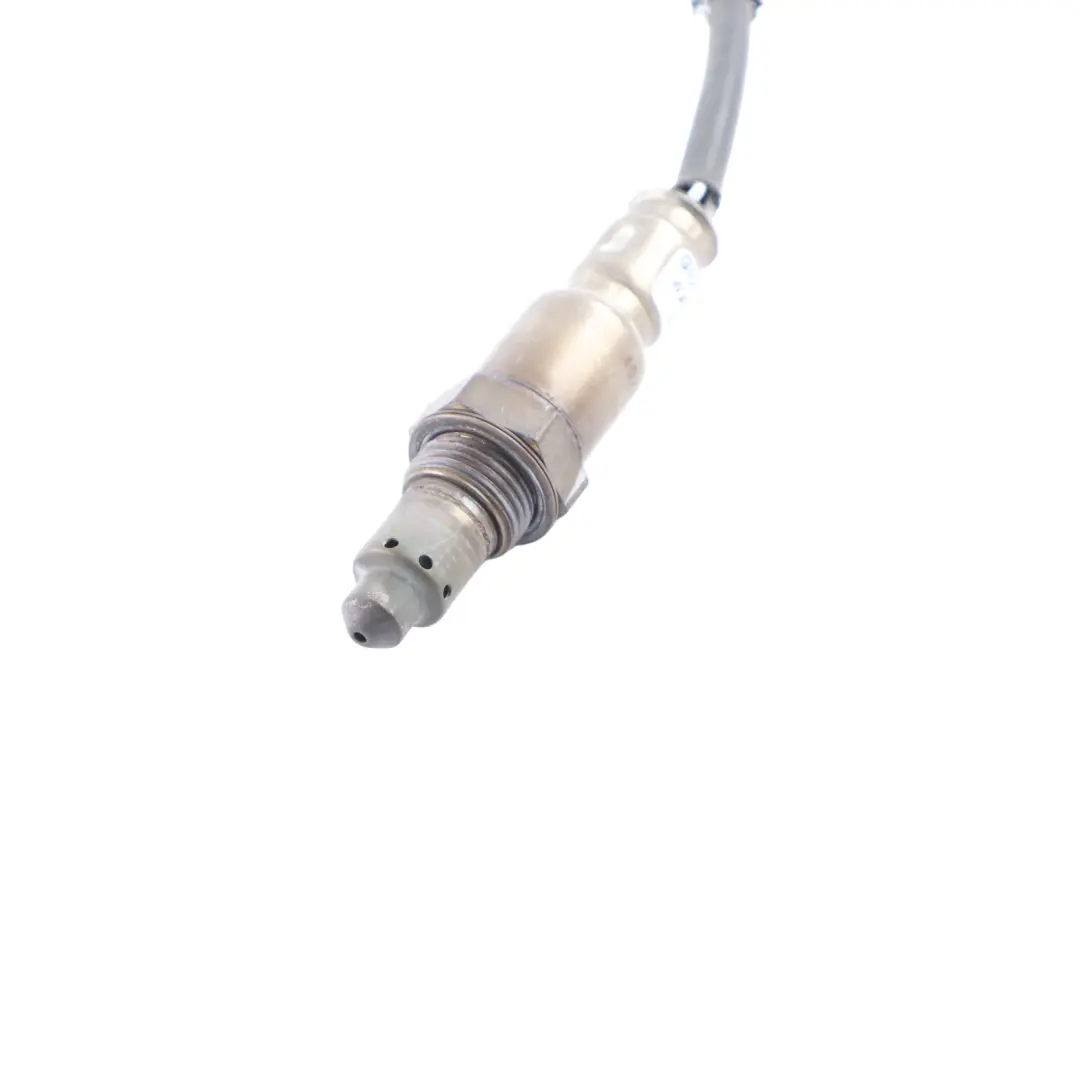
Audi RS3 8V 2.5 TFSI DNWA Lambda Sensor 4 Pin 07K906265C
SKU: 07K906265C
Product from a certified dismantling facility
Condition:
Used
Available:
1
Delivery time:
Estimated delivery in the country France between Wed, Sep 16 and Fri, Sep 18
Dispatched today if paid before 14:00
Payment methods:








Returns:
30 days return
Delivery from:
Free delivery
Retail price€94.95
Promo price€80.71
1
Lowest price in the last 30 days: €94.95
Total for items
€80.71
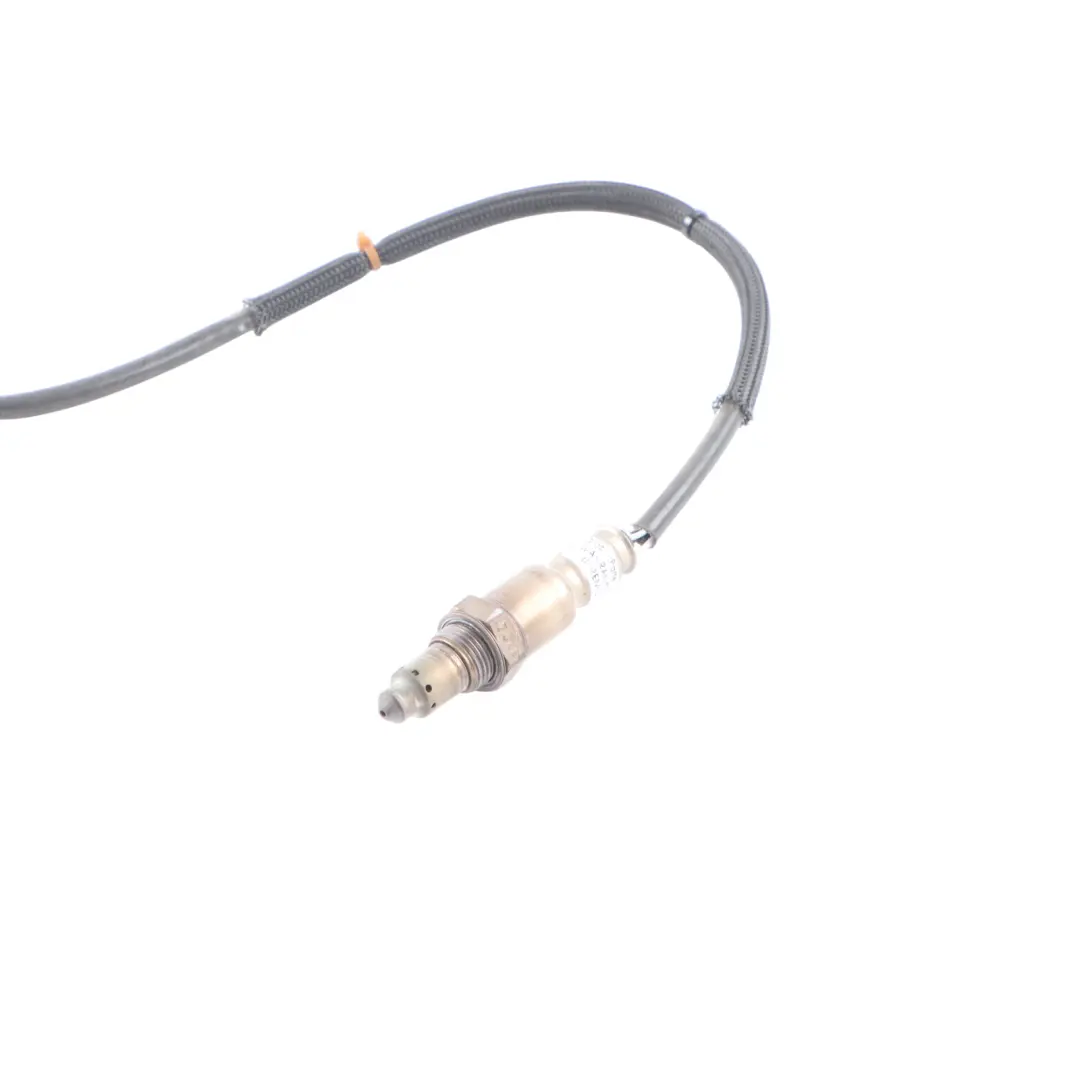
Audi RS3 8V 2.5 TFSI DNWA Lambda Sensor 4 Pin is a component from the Lambda sensors and O2 sensors category, designed for precise monitoring of exhaust gas composition in the high-performance 2.5 TFSI DNWA engine. A properly selected lambda sensor ensures stable engine operation, correct fuel mixture correction, and supports the maintenance of low exhaust emissions. This Audi component allows for the restoration of correct exhaust system and engine control parameters.
Specifications and technical data
- SKU: 07K906265C
- Mark: Audi
- Condition: Used
- OEM Part Number: 07K906265C
- Substitutable numbers: 07K906265C, 07K 906 265 C
- Category: Oxygen Sensors
Purpose and function in the exhaust system
The presented 4-pin lambda sensor works with the engine control system in the Audi RS3 8V 2.5 TFSI DNWA, transmitting information about the oxygen content in the exhaust gases to the ECU. Based on this data, the ECU corrects the air-fuel mixture, which influences:
- efficient operation of the catalytic converter and reduction of exhaust emissions,
- stable operation of the power unit across the full load range,
- maintenance of proper fuel consumption,
- correct throttle response in the 2.5 TFSI DNWA engine. Thanks to the proper selection of the lambda sensor, the engine control system maintains parameter consistency, which is particularly important in powerful, turbocharged units used in the RS3 8V.
Construction of the 4-pin lambda sensor
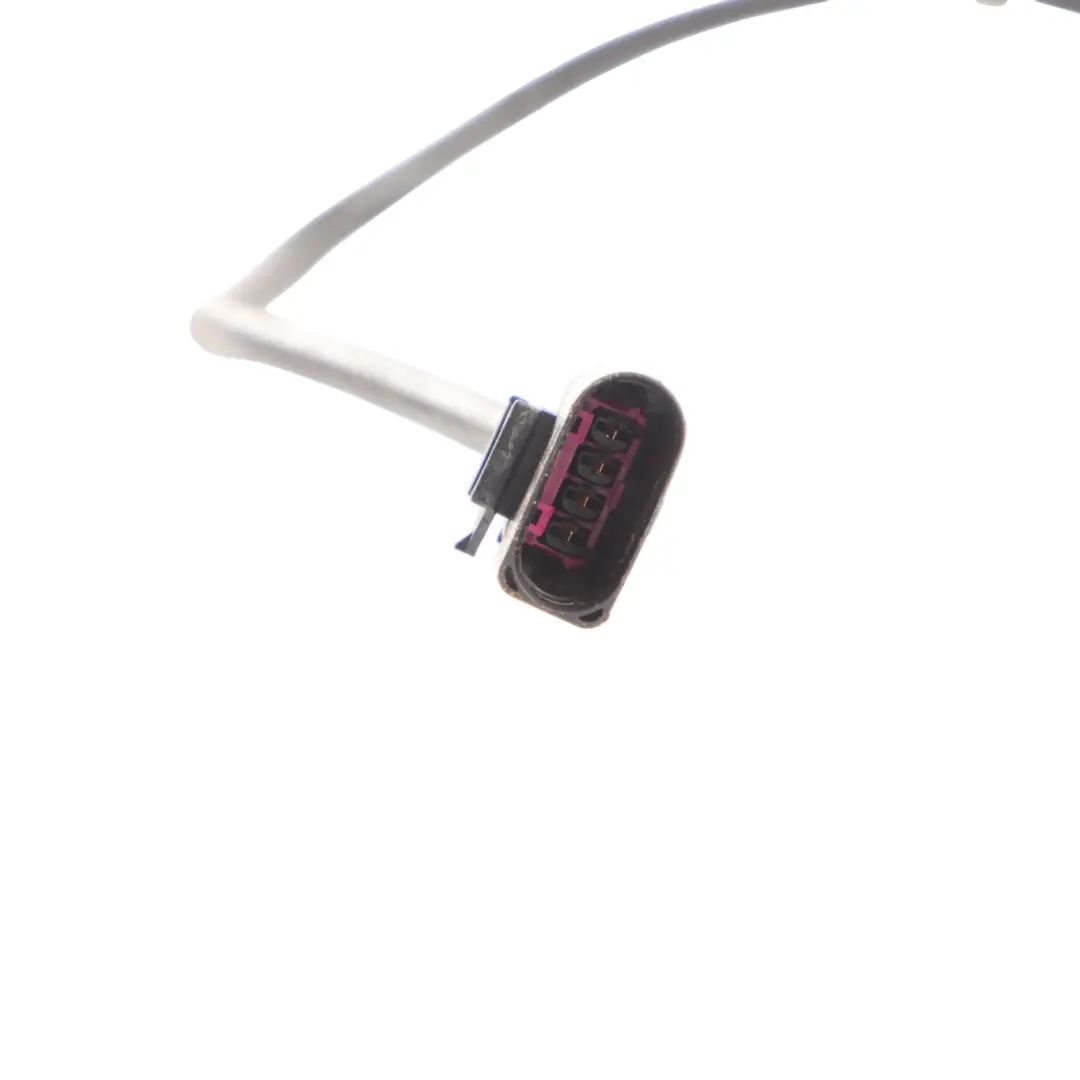
The 4-pin configuration means integrated signal circuits and a heater, which enables the sensor to quickly reach its operating temperature after starting the engine. This translates into:
- efficient entry of the system into closed-loop operation mode,
- better control of the mixture composition from the initial phase of driving,
- more uniform engine operation under variable load conditions. This solution is particularly beneficial in cars with a sporty character, where a fast and repeatable response of the control system is required.
Benefits of using an original Audi lambda sensor
Using a component from the Lambda sensors and O2 sensors group dedicated to the Audi RS3 8V allows for maintaining compliance with factory engine control parameters. Key advantages include:
- appropriate signal characteristics matched to the ECU maps in the 2.5 TFSI DNWA unit,
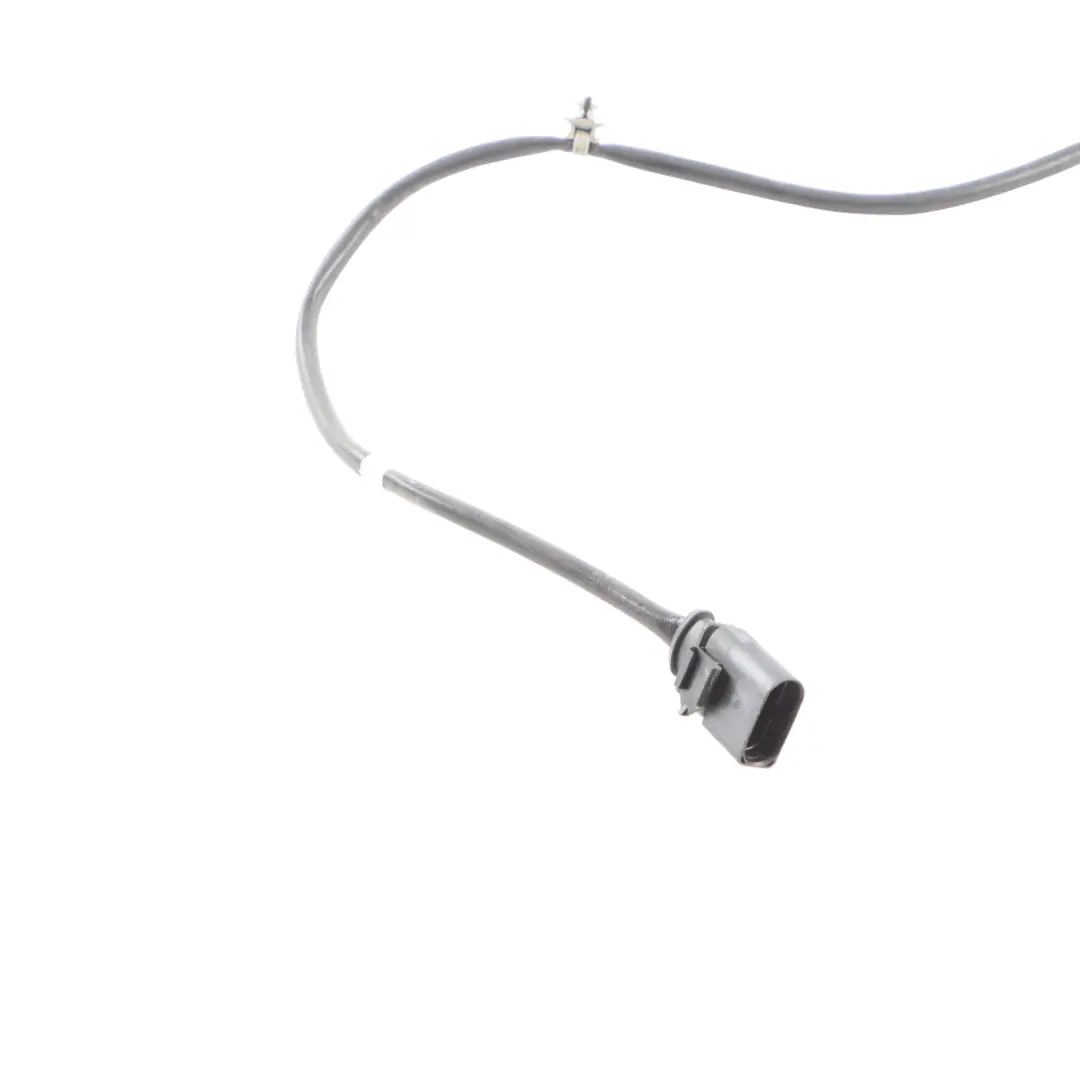
- consistency with the factory wiring harness and 4-pin connector,
- reduced risk of diagnostic errors and warning lights,
- maintenance of predictable performance and engine refinement. Choosing the right lambda sensor has a direct impact on the durability of exhaust system components and the comfort of vehicle use.
Used condition and practical aspects
The offered lambda sensor is in used condition, which provides a reasonable compromise between repair costs and maintaining the proper operating parameters of the system. This type of solution is often chosen for servicing sports cars, where both functionality and operating economy are important. Before installation, it is recommended to perform a standard verification of the electrical installation and check for any leaks in the exhaust system to fully utilize the sensor's capabilities.
Selection by numbers and technical support
When selecting a lambda sensor for the Audi RS3 8V 2.5 TFSI DNWA, it is crucial to match it by the OEM part number and interchangeable numbers, which minimizes the risk of incompatibility with a specific version of the engine controller. In case of doubt, it is worth using data from the manufacturer's catalog or service documentation to ensure that the selected element corresponds to the vehicle configuration. If you want to better understand how to safely choose used sensors and control modules, check out the guide: Used automotive electronics – ECU modules and second-hand sensors, where the selection by OEM numbers and compatibility issues are discussed step by step.
Expansion of the exhaust gas measurement system in Audi
If you are planning a comprehensive repair or upgrade of the engine area in your Audi and need other elements from the same group, such as additional sensors before and after the catalytic converter, O2 sensors in different sections of the exhaust system, or exhaust gas composition measurement elements, check the available parts in the Audi Lambda sensors and O2 sensors category. If you are also concerned about reducing service costs and having a smaller environmental impact, it is worth considering a wider use of proven second-hand components – you can find more on this topic in the article Eco-driving and the benefits of used car parts.
Delivery details
Ship to: France
Check delivery times for another country
Delivery Price
Service
Postage and packaging
Delivery time
Estimated delivery in the country France between Wed, Sep 16 and Fri, Sep 18
Dispatched today if paid before 14:00
Estimated delivery dates include sellers dispatch time, origin postcode,destination postcode and time of acceptance, and will depend on the postage service selected and receipt of cleared payment. Delivery times may vary, especially during peak periods.
Will usually dispatch within same working day if paid before 14:00 BST (excludes weekends and holidays). Expected dispatch time may vary and is based on sellers order cut-off time.
In the automotive store Global Parts, we offer fast and secure deliveries for our customers in France, ensuring maximum compliance with local service standards. Each order is processed with the utmost attention, guaranteeing a fluid shopping process and a timely delivery. If you need assistance in choosing the right part, our team of consultants will be happy to help you find the right part for your vehicle and provide information on installation, availability and parameters of the selected components.