Well-selected used car parts They can restore electronics or the cabin's appearance, while a worn bearing is better addressed with a new component. This mixed approach allows for tailoring the repair method to the specific fault. For disassembled components, condition and origin are important, while for replacements, the manufacturer, specifications, and application catalog are also important. Proper installation and removal of the cause of the previous failure also influence durability. Comparing product categories makes it easier to assess where a functional original has a practical advantage and when purchasing a new part is justified. At Global Parts, you can check the availability of the selected component and consult on its compatibility with the vehicle. Contents:
- Electronics and control modules – when to choose a used original?
- Drive and gears – gear ratio compatibility and condition of working parts
- Suspension and steering – which components are worth buying new?
- Engine accessories – when does a disassembled manifold make sense?
- Rims – is the original design enough to make a good choice?
- Body mechanisms – wipers and sunroof
- Interior fittings – where does the original make the most visible impact?
- FAQ – original parts and replacements

Electronics and control modules – when to choose a used original?
The original module from the disassembly is worth considering if it matches the vehicle's configuration and can be started properly. A new replacement also requires confirmation of compatibility and support for all necessary functions. An example is the rear electronic module., a rear electronic module found in BMW F30s and others, which controls selected rear-end functions, including lighting. When selecting a module, the catalog number, permitted replacements for this number, and the vehicle's equipment are important. Search for parts by VIN. It helps determine the factory configuration, and in a modified car, the actual installed system must also be taken into account. A used control unit may require coding or programming, so the scope of work should be determined in advance by a car electronics specialist. Before replacement, a specialist checks the power supply, ground connections, communication, and any moisture in the system. Therefore, a description of the used OEM only becomes practical when combined with the identification of the specific variant and an assessment of its performance.
Drive and gears – gear ratio compatibility and condition of working parts
A proven factory assembly from disassembly can be an alternative to a complete new transmission. In this category , variant compatibility and an assessment of internal component wear are particularly important. It must have the gear ratio specified for the specific drive configuration. A similar housing and matching mounting points may be found in units with different parameters. In a vehicle with four-wheel drive, transmission compatibility must be considered in relation to the entire system. The workshop assesses, among other things, play, tightness, the condition of the mountings, and the causes of any noise. If internal repair of the component is required, the scope of the repair should be determined by disassembly and measurements, and the bearings and seals are selected for the specific design. This allows for an informed comparison of a functioning used unit with the repair of the existing transmission using new components.
Automatic Converters: The appearance of the housing does not indicate the degree of wear
In a classic automatic transmission , a torque converter, called a converter, transmits torque between the engine and the gearbox via oil. A torque converter is selected for a specific gearbox and drive version, as similar appearance does not necessarily mean identical performance characteristics. The condition of the lockup clutch, bearings, and other internal components requires expert evaluation. A functional original from disassembly can be a solution if its compatibility and technical condition are confirmed. Alternatively, a new or professionally rebuilt component designed for the specific gearbox can be an alternative. After a serious automatic transmission failure, the service center should also assess contamination of the oil and cooling circuits. Leftover contamination can shorten the life of the next torque converter, regardless of its origin.
Suspension and steering – which components are worth buying new?
New components are particularly useful when repairing worn bearings, joints, and bushings. A functional , disassembled housing may still be a good choice if a workshop confirms its geometry and the condition of its mountings. It may be suitable for reassembly after ruling out cracks, deformations, and damage to the seats. A mechanic conducts this assessment, as fresh paint or similarity in shape alone do not confirm correct geometry. The wheel hub requires a different approach , especially when it forms a non-separable unit with the bearing. If the rolling element is damaged, a new product from a proven manufacturer, designed for the specific application, is a reasonable solution. Depending on the design, either the bearing itself or the entire hub may be replaced, taking into account the type of ring that works with the ABS sensor. The durability of such a repair also depends on proper support during assembly, the condition of the seats, and the application of the required tightening torques.
Power steering pumps: a clean system protects another component
Hydraulic power steering pump It should provide the operating parameters required by the specific steering system. A functional original from the disassembly can be considered after confirming the correct version and operating parameters. A new replacement is a reasonable alternative if its manufacturer specifies the specific application and installation requirements. Symptoms such as whining and rough steering require checking the fluid level, leaks, and condition of the pump drive. The problem may also be caused by air pockets or contamination in the circuit. Debris remaining from a previous failure can damage another component, regardless of brand. Therefore, before installation, the workshop assesses the condition of the lines and reservoir and, if necessary, flushes them. Then, the appropriate fluid and bleeding procedure are used for the vehicle. Checking for leaks and power steering operation allows for assessing the repair results.
| Element | What determines suitability | A sensible direction for repair |
|---|---|---|
| Steering | Geometry, condition of sockets and fasteners, no cracks | A functional used original after a mechanic's assessment or a compatible new part |
| Hub and bearing | Condition of the rolling part, sockets and elements cooperating with ABS | New bearing or complete hub, depending on design |
| Power steering pump | Version compliance, operating parameters, tightness and cleanliness of the circuit | A verified original or appropriate replacement with the cause of the failure removed. |
Engine accessories – when does a disassembled manifold make sense?
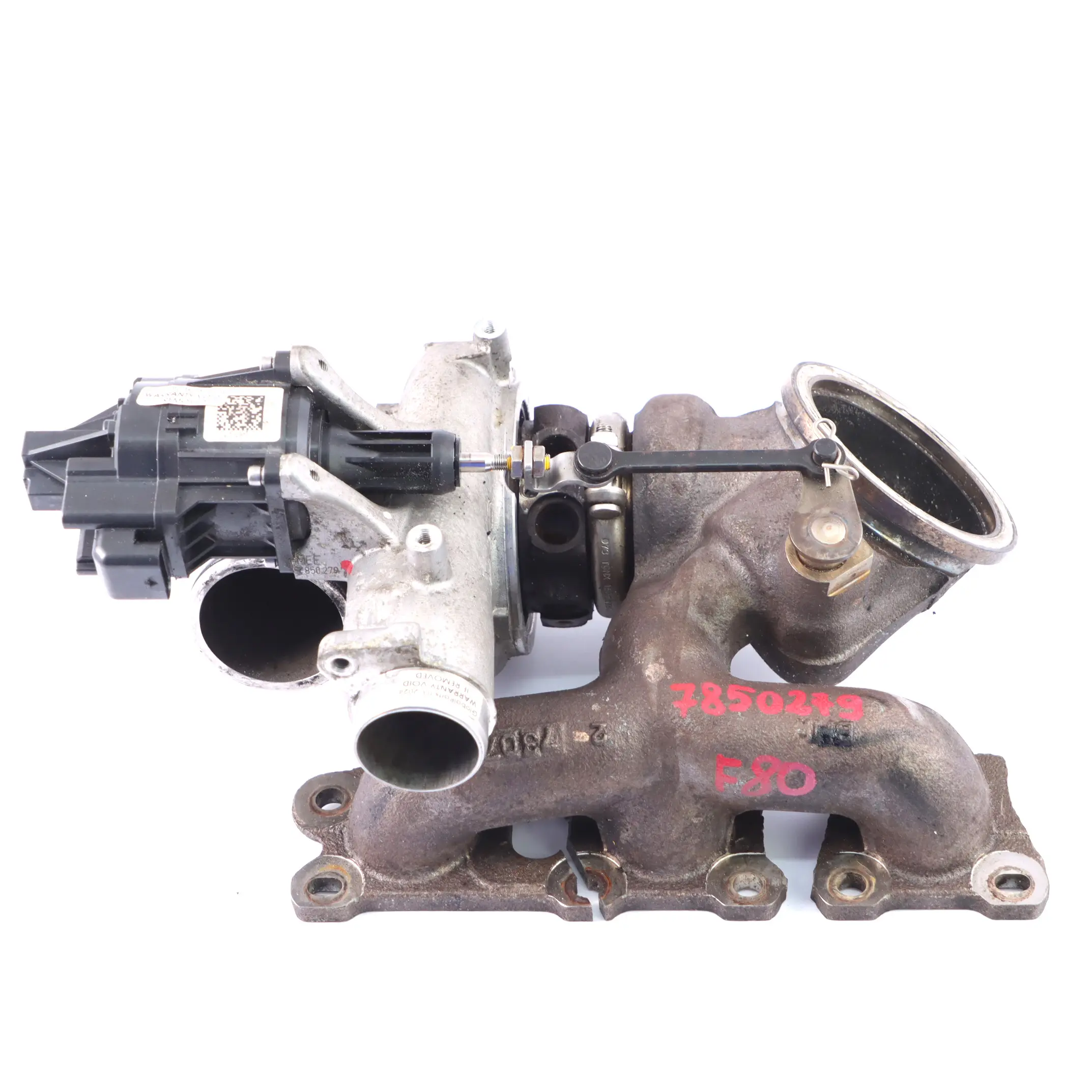
A used intake manifold is worth considering if both its housing and airflow control components are in good working order. A new, properly selected replacement may be a better choice if the original has worn flap shafts or damaged mounts. It helps maintain the operating conditions intended for the engine's power supply system. In designs with flaps, their free movement, the condition of the axles, rods, and actuator are also important. An error code indicating the flap drive may also appear if the problem is caused by seizure or wear of the mechanism itself. Therefore, replacing only the electrical component should be based on diagnosis, not just the error name. During installation, the service center uses appropriate seals and performs adaptations if required by the system. These vehicle-specific parts create a cohesive repair, in which a functioning housing can work in conjunction with new sealing elements.
Rims – is the original design enough to make a good choice?
While factory designs help maintain the car's appearance, a rim's suitability is also determined by its performance and condition. A new rim from a reputable manufacturer, with proper application, can be an equally viable alternative. In the case of factory BMW designs such as the '68 styling, and styling 193 The selection also includes the part number, width, diameter, offset, and load rating. The front and rear axles of a specific vehicle may require different rim sizes. Before installation, the service center should assess the runout, the condition of the bolt holes, the contact surfaces, and any material damage. Refinishing the paintwork does not repair cracks or deformations. For a new replacement, the manufacturer's recommended application, load capacity, and the correct mounting kit are essential. In both cases, it is also necessary to confirm the brake caliper location and the compatibility of the rim with the planned tire size.
| Rim parameter | What needs to be confirmed |
|---|
| Diameter and width | Compatibility with the intended wheel and tire combination and vehicle version | | Weaning ET | Correct positioning of the rim in relation to the suspension and wheel arch | | Bolt spacing and centering | Compatibility with the hub and intended mounting method | | Load capacity | Permissible load suitable for the car | | Space for brakes | No collision of the arms and the inner part of the rim with the caliper |

Body mechanisms – wipers and sunroof
Factory disassembled mechanisms can help maintain proper mounting, range of motion, and interaction with the vehicle's controls. However , their selection should take into account the condition of the entire mechanism and the cause of the previous failure. It can be a good solution if it matches the installation version and operates correctly in the required modes. The replacement should also ensure compatibility with the control, rest position, and connection to the mechanism. Slow arm movement does not necessarily indicate damage to the drive itself, as resistance can arise from seized joints or axles. Before purchasing, a mechanic should check the power supply and the free movement of the mating parts. It is also important to determine whether the offer includes just the motor or the complete mechanism with linkages. Removing resistance protects the installed component from repeated overloading.
Roof cassettes and guides – factory fit without worn mechanisms
Functional sunroof It requires proper cooperation between the guides, drive, seals, and drainage. The original cassette can be a reasonable choice if structural components of the mechanism are damaged. The selection should take into account the body style, roof type, and part number. Before deciding to replace the entire assembly, the workshop distinguishes between a faulty drive, guides, and a water drainage problem. Moisture near the headliner may be related to a blocked or disconnected drain. In such a situation, replacing the motor alone will not eliminate the cause of the leak. If a new repair part is available for the mechanism, it is worth comparing this scope of work with replacing the complete cassette. Installation should be completed with adjustments and initialization, if specified in the vehicle documentation. Only a test run and a water drainage check allow the performance of the entire assembly to be assessed.
Interior fittings – where does the original make the most visible impact?
Trim elements are a good example of parts where a disassembled original can help maintain the integrity of the cabin. Texture, color, shape, and mounting method are important, as well as the functionality of the latches and moving mechanisms. The factory cup holder should fit the console and hold the container securely. Before choosing, it's worth checking the product description for the finish and completeness of the mechanism, especially with a retractable design. A new replacement will be suitable if it maintains the correct dimensions, mounting method, and functionality. The BMW F30 steering wheel requires more attention , as it requires confirmation of button compatibility, installation, and intended accessories. The assessment also includes compatibility with the factory security system, so selection and installation should be performed by a specialist. When it comes to moldings, handles, and other decorative elements, a functional original with a compatible finish and without broken mounts brings the greatest benefits.
FAQ – original parts and replacements
When comparing offers, it's important to separate the part's origin from its wear and tear and the method of preparation for installation. Before purchasing, a description of the fault prepared by the workshop is helpful. It should include the component name and the catalog designation. The offer description should verify what is actually included in the kit being sold. This is especially important for a mechanism without a motor, a module without a bracket, or a steering knuckle sold with a hub. Any doubts regarding the variant or completeness should be clarified before planning installation.
| QUESTION | ANSWER |
|---|---|
| What does OEM mean in a car part description? | OEM stands for Original Equipment Manufacturer. In aftermarket parts listings, this term often refers to a factory component; its origin and intended use must be confirmed based on the markings and catalog. |
| What is a replacement car part? | This is a part offered as an equivalent to a component designed for a given vehicle, usually under the brand of an independent manufacturer. Its suitability is determined by its parameters, quality of workmanship, and proven application, while the term "replacement" does not necessarily imply durability. |
| What is the difference between a used and a remanufactured part? | A used part has already been used, but its sale does not constitute remanufacturing. A remanufactured component has undergone a specific remanufacturing process, the scope and method of verification of which must be assessed separately. |
| Will a used original always last longer than a new replacement? | No. A working original may be a good choice, but a worn bearing, damaged mechanism, or corroded module won't regain its durability thanks to the factory markings. A new product from a proven manufacturer may be a better solution in such a situation. |
| Which parts are worth considering disassembling? | These include compatible interior components, functional modules and complete mechanisms, and undamaged component housings. Each choice requires an assessment of condition and application; components that wear out during operation are often better replaced with new ones. |
| Is the part from the same car model really going to fit? | Not always. Manufacturing date, engine, drivetrain, transmission, and equipment may all be important. Compatibility is confirmed in the catalog, taking into account the part number and manufacturer-approved substitutions. |
| Besides the choice of parts, what determines the durability of the repair? | Correct diagnosis, removal of the cause of the failure, and installation in accordance with the documentation. The condition of the mating components, the proper fluids, seals, and any required adjustments or adaptations are also important. |