In the process of comprehensive vehicle servicing, selecting the right components is an absolutely crucial decision, directly impacting future, trouble-free operation and complete road safety. The global automotive market offers an incredibly wide range of available solutions, but original, used car parts from legal dismantling are increasingly, and deservedly, winning out over new products from unknown, budget brands. Cheap, low-end replacements constantly tempt customers with apparent savings, but in practice, they often generate hidden, very painful costs and installation problems due to inaccurate, incorrect dimensions. High-quality, verified, and used OEM parts, on the other hand, are the best choice. They guarantee full adherence to the manufacturer's stringent parameters, which directly translates into longevity and trouble-free operation of even the most difficult repairs. At the Global Parts online store, we ensure rigorous, multi-stage selection of our products, providing motorists with only proven components that allow for the safe replacement of damaged modules. Therefore, it's worth taking a closer look at the fundamental differences between available solutions to ensure you always make fully informed, professional decisions in your own mechanical workshop.
 Contents:
- What is better, a cheap replacement or a used part from a dismantled car?
- Why is it better to buy a used OEM than a cheap replacement?
- Complex components – where there is no room for compromise?
- Will my car lose value if I use a lot of cheap replacements?
- Part parameter summary tables
- Frequently Asked Questions (FAQ)
What is better, a cheap replacement or a used part from a dismantled car?
Many drivers, when experiencing a fault, face a serious dilemma: choosing between a brand-new, non-genuine component and a used, fully genuine aftermarket component. A reliable, objective assessment of which is worse or significantly better in the long run requires a thorough look at the engineering production process and the certified materials used to create the component. The cheapest, budget-friendly equivalents are often made from significantly weaker metal alloys and lower-quality, brittle plastics, allowing manufacturers to dramatically reduce the final price at checkout. Although such low-end car parts look deceptively similar to the original at first glance, their actual fatigue strength and resistance to vibration cracking fall far short of factory standards. Meanwhile, robust, used components carefully extracted from vehicles destined for dismantling are still fully fledged and highly safe products designed by a team of engineers to withstand years of heavy use. A prime and all-too-common example is engine lubrication systems, where the original oil filter base is replaced. It lasts for years, but cheap, poorly cast replacement versions can crack extremely quickly under the influence of pressure surges and thermal cycles. Choosing a fully authentic, mechanically verified part from a legally dismantled source essentially eliminates the serious risk of the same assembly unexpectedly failing again while driving on the highway. This is why highly conscious, reputable body shops and mechanics, despite the existence of inexpensive alternatives available from wholesalers, generally recommend installing factory-made components from a reliable aftermarket source.
Bodywork fit and assembly without surprises
In the case of complex, extensive bodywork repairs, rigorous adherence to the original factory dimensions is absolutely crucial for aesthetics and reducing expensive bodywork time. Cheap replacement bumpers or large front fenders often require brutal, forceful stretching, heating with a heat gun, or even manual modification of the mounting points to even fit the body of the repaired car. This situation always leads to irritating delays in servicing the damaged vehicle and the formation of uneven, significantly disfiguring gaps at the sheet metal joints. Furthermore, smaller, moving exterior components, such as a used, original fuel filler flap, can be damaged. or motorized sunroofs, in non-original versions, they tend to jam unexpectedly on the guides and rarely fit perfectly to the factory rubber seals. Using solid, certified OEM bodywork components allows for stress-free, extremely efficient reassembly of a crashed car, significantly reducing labor costs and significantly saving the stress of every workshop employee.
Why is it better to buy a used OEM than a cheap replacement?
A key, technological, and absolutely indisputable argument for consciously choosing aftermarket components is their seamless compatibility with the underlying electronic and mechanical architecture of the vehicle being repaired. Powerful automotive companies spend enormous, multi-million-dollar budgets on laboratory durability tests, the remarkable results of which are perfectly reflected in every original, factory-assembled module. Modern, highly advanced cars are complex and tangled networks of interconnected controllers, where even the slightest, unexpected resistance change in a cheap replacement circuit can trigger a paralyzing avalanche of errors on the instrument panel. Certified, highly complex components, such as the rear electronic module that manages the lighting or the extremely complex hydraulic gearbox controller, must communicate flawlessly and continuously with the main CAN bus in fractions of a second. No-name electronic replacements are rarely able to perfectly replicate the hard-coded algorithms of the original, leading to serious adaptation problems, and in the case of luxury premium cars, system coding can be downright impossible. Therefore, the reliable answer to the pressing question of why it's better to buy a proven solution with an OEM print always comes down to the security and reliability of the dedicated software and high-quality, precise soldering on the boards. Professional and meticulous selection based on the VIN/OEM completely and effectively eliminates human error when compiling equipment specifications for a given production year. Reliable controllers used from dismantling, including current fuses for a BMW E60. or extended power supply systems including front fuses mercedes w203, allow you to avoid hundreds of hours spent by an electromechanic on a daily basis on the tedious diagnosis of inexplicable system failures.
Complex components – where there is no room for compromise?
The drivetrain, the tough, rigid suspension, and advanced active safety systems are critical areas of every vehicle, where the quality of the casting and materials used directly determines longer service life and full, stable traction. The extreme thermal and physical stresses constantly occurring in a working engine compartment do not forgive the use of thin, weakened, and untested metal alloys. When a seized or broken belt suddenly requires a thorough and very expensive engine repair, many drivers consider a complete, multi-day overhaul based on the cheapest replacement pistons and rings. However, in engineering practice, complete, sealed used engines remain a much more reliable and safer option. with a fully documented and thoroughly verified service history. Popular questions queried on forums, such as the legendary BMW E90: which engine to choose during a troublesome swap? or the E90: which engine is least reliable? When a timing belt fails, mechanics usually come to the consistent conclusion that the proven, leak-free OEM design guarantees the longest, most trouble-free operation after being installed under the hood. It's extremely difficult in a typical workshop to precisely replicate the microscopic factory fitments that a modern, supercharged N55 engine has on a daily basis. or the still universally legendary, in terms of hundreds of thousands of kilometers of mileage, powerful, in-line M54 engine Equally important, especially on the highway, are the elements that transfer the enormous power to the vehicle's rear axle. A used, tight, and correctly factory-engineered e46 differential. Purchased from a proven, reliable source, it will always undoubtedly surpass cheap, loose transmissions hastily rebuilt on Eastern cylindrical roller bearings in overall casting quality and quietness. In such brutal zones of extreme physical stress, non-original transmission parts simply too rarely withstand the full torque of a powerful machine, forcing unfortunate drivers into quick, excruciatingly expensive service repairs after a short period of operation, often several years in the making.
Vehicle safety and hydraulics
The parts that are fully and directly responsible for stopping a vehicle at high speed and for ensuring the correct, completely constant flow of boiling coolant must be absolutely, exemplarily and hermetically tight throughout the entire period of operation. Cheap, completely handcrafted in its structure water pump bmw e90 Very often, at the least expected moment, the housing suddenly leaks or the axial bearing seizes, which in a fraction of a minute leads to dangerous, uncontrolled overheating of the speeding engine and a massive blowout of the crucial gasket under the cast iron head. Similarly, an extremely modest and completely inconspicuous component, hidden under the cockpit, such as a precise resistance brake pedal sensor., when used with a poor, cheap, plastic equivalent, it can incorrectly, even completely chaotically, control the key brake lights and the sensitive ESP road safety system. By wisely choosing 100% functional, clean, original equipment from a well-organized aftermarket, we maintain a reliable, full design specification for the machine, which will extremely effectively protect the sensitive engine and defenseless passengers from devastating breakdowns far from home. Such a dedicated, fully certified part, marked with the manufacturer's embossed logo, simply silently and reliably performs the simple daily tasks for which it was rigorously designed and then repeatedly, brutally tested in secret factory laboratories.
Will my car lose value if I use a lot of cheap replacements?
The high and persistent residual value of any classic vehicle, even a significantly older one, is a highly sensitive and frequently analyzed financial issue for absolutely all owners who are determined to secure a lucrative resale in the near future. Cheap, uncertified components, used en masse during a recent, thorough service, represent a clear, even glaring, showcase for any prospective, discerning, and knowledgeable buyer, of systematic savings on basic maintenance. Cars that have been resuscitated and repaired after major breakdowns or accidents using only the cheapest, shiny, nameless spare parts are usually harshly and ruthlessly treated by inspecting experts and market appraisers as proverbial bottomless pits, serviced solely "on the cheap" for the purpose of quick sales. During a rigorous, professionally conducted pre-purchase inspection, a trained, highly experienced mechanic will easily spot colorless bumpers that quickly peel in full sunlight, Chinese headlights that quickly dull, or hard plastics that vibrate, crackle, and hide deep in the engine compartment, which immediately and drastically lowers the proposed starting price. When owning well-maintained models from prestigious, well-loved Western European brands, stored in a heated garage, it's far more beneficial in every possible way to systematically and faithfully use reliable, verified used originals. This allows the current owner to confidently and loudly declare, with a completely clear conscience, that the car is maintained in its highly desirable, excellent factory condition. An exceptionally good example of wisely preserving a car's high value is the popular and highly sought-after M54B30 engine on the modification market. , which, after a breakdown, cleanly rebuilt with solid, fully original external hardware instead of ugly, rough Chinese castings, immediately inspires full confidence in any buyer who carefully reviews the extensive history of the buyer's file. Meticulous and meticulous maintenance of a technologically advanced car with many systems, to strict, untouched OEM specifications, strongly and long-term protects the substantial capital invested in it and usually significantly and measurably facilitates the rapid discovery of an exceptionally determined enthusiast in the highly saturated and highly competitive local aftermarket.
Aesthetics and interior fittings in premium vehicles
Inside the quiet and very comfortable passenger compartment of the limousine, slight differences in the original, soft texture of luxurious materials or the not-so-perfect fit of cheap plastics are immediately and ruthlessly visible to the naked eye.
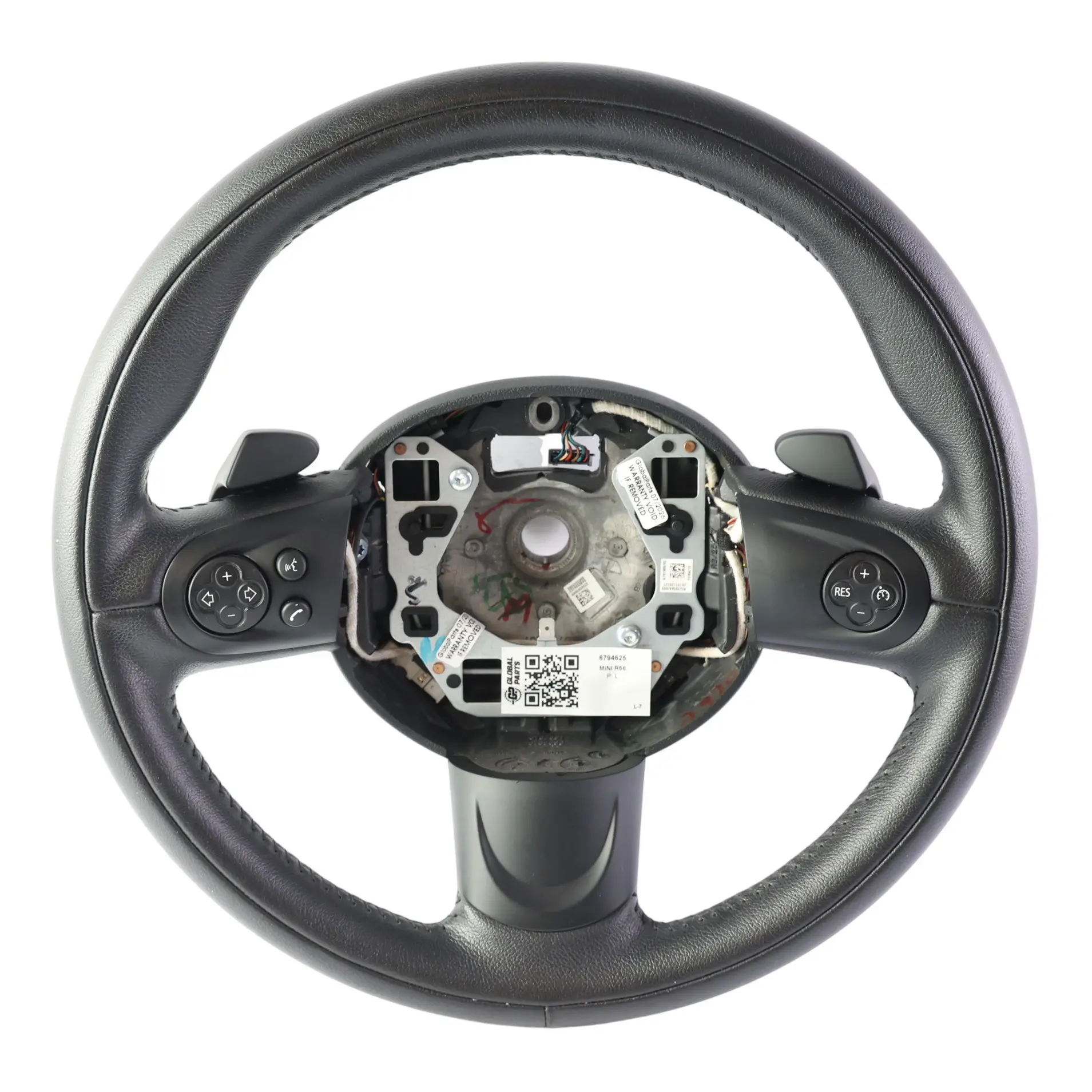
If a conscious owner of a modern, expensive vehicle wants to absolutely and at all costs preserve the highly luxurious and exceptionally elegant character of his favorite car, the original, thick steering wheel Audi A4 B8 S Line or a perfectly and cleanly maintained steering wheel of an Audi A3 8v Coming from a safe salvage yard, they will look beautiful and feel stable in your hands, much better than their crooked and poorly sewn-up counterparts from auctions, made of cheap, eco-friendly, and abrasion-resistant material. A similar, indisputable, and essentially ironclad rule applies equally to noble, rare door trims, where the complete, original, and rare BMW F30 interior To achieve its full aesthetic, it requires only certified and well-maintained parts with precisely selected shades of natural wood or matte, brushed aluminum. Small, quiet, and luxurious details, the silent, clicky operation of the built-in, independent buttons, and the perfectly tuned, relaxing brightness of the OEM-branded components ensure that even a car that's only a few years old and driven in the city doesn't lose its original, showroom-quality prestige. The often sought-after and highly valued factory multi-channel tuner for the Audi A6. It will also provide, while driving, incomparably better sound clarity and spatiality than budget, flashing radios straight from a large electronics store, while retaining the desired function of full, well-integrated control from the multifunction steering wheel.

Table 1: Key Features Comparison: Cheap Replacement vs. Used OEM Part
| Part Features and Parameters | Cheap substitute from Asian markets | Used OEM Part from dismantling |
|---|---|---|
| Conformity and precision of dimensions | Often inaccurate, requires rework | Perfect, 100% compliance with specifications |
| The quality of the alloys and plastic used | Low, brittle materials, thin sheet metal | High, certified by the car manufacturer |
| Maintaining the value of your car | Reduces the market value of the vehicle | Keeps the car in factory condition and price |
| Correct operation of electronics | Risk of serious errors with CAN | No problems, correct reception of algorithms |
Table 2: Car components particularly sensitive to material quality
| Vehicle Component Category | Sample Module / OEM Part | Why is the substitute risky here? |
|---|---|---|
| Body parts and bumpers | Fenders, fuel filler flap | No zinc coating, bad mounting points |
| Computer control system | Gearbox controller, REM | The replacement does not communicate with the vehicle's network |
| Lubrication and cooling system | BMW E90 Water Pump, Block | Risk of sudden leak on the highway |
| Interior and safety modules | Audi a4 b8 s line steering wheel | Poor fit, risk of SRS system error |
FAQ: QUESTIONS AND ANSWERS
| QUESTION | ANSWER |
|---|---|
| Why is it better to buy a used OEM than a cheap replacement? | A used OEM part is manufactured to the vehicle manufacturer's strictest quality standards. Cheaper alternatives are typically made from lower-quality materials and are more susceptible to cracking, rust, and electronic system failure. By choosing a trusted used original, you can be absolutely certain of a perfect fit in your workshop. |
| What is worse in the long run, a cheap replacement or a used part from a dismantled car? | A cheap and untested replacement is a much worse choice, as its fatigue life and factory precision are usually very poor. A used, original part from a professionally dismantled vehicle, thoroughly and expertly verified by experienced sellers, guarantees trouble-free, long-term operation and complete safety. |
| Will my car lose significant market value if I use a lot of cheap replacement parts? | Yes, using the cheapest aftermarket parts to restore a vehicle to its functional condition typically lowers its overall value in the eyes of appraisers and informed, inquisitive buyers. Visible signs of skimping on service, mismatched plastics, and unusual defects suggest neglect, making it very difficult to obtain an optimal market price in the future. |
| How can I easily and completely ensure that the electronic part I am using will fit my car perfectly? | The simplest, most professional, and completely reliable method for avoiding errors is to use the VIN/OEM matching method. Comparing the long chassis identification number with the number stamped directly on the component guarantees incompatibility, especially in complex and highly variable electronic control units. |
| Where can you quickly find reliable, fully tested used parts from working cars? | The safest way to find proven and highly reliable components is from trusted distributors, such as the certified online store Global Parts. By choosing a reliable and legal source, we eliminate the common risk of purchasing worn-out and faulty equipment without any startup warranty or documentation of origin. |
| Why can the cheapest bodywork parts on the market cause serious problems for workshops? | Budget bodywork equivalents cut from cheap dies notoriously fail to adhere to the assembly dimensions completely, dramatically increasing the man-hours spent by a professional bodyworker to get them fitted correctly. Forced corner bending, common drilling to enlarge holes, and subsequent problems with rapid paint flaking are common with Asian no-name replacements. |