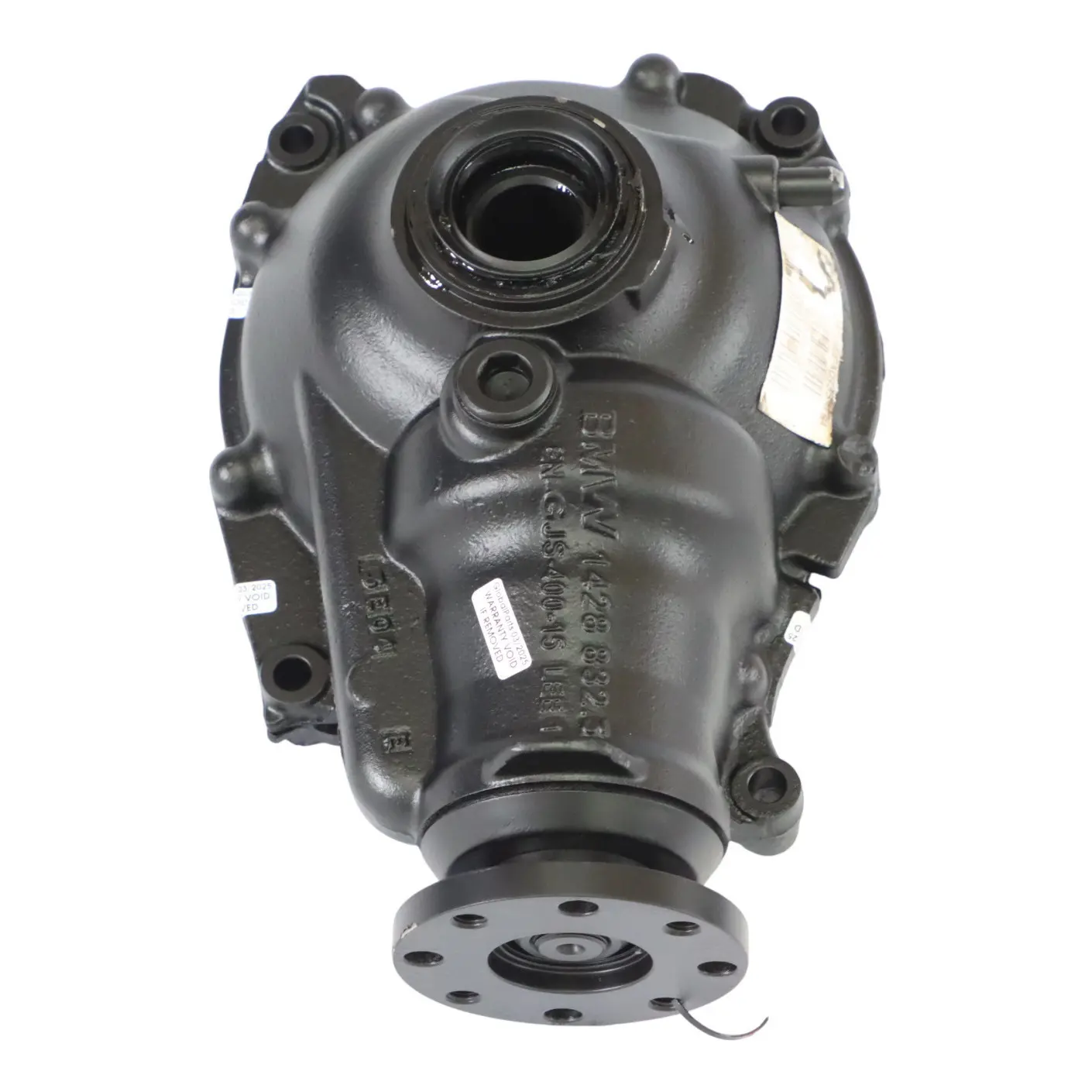
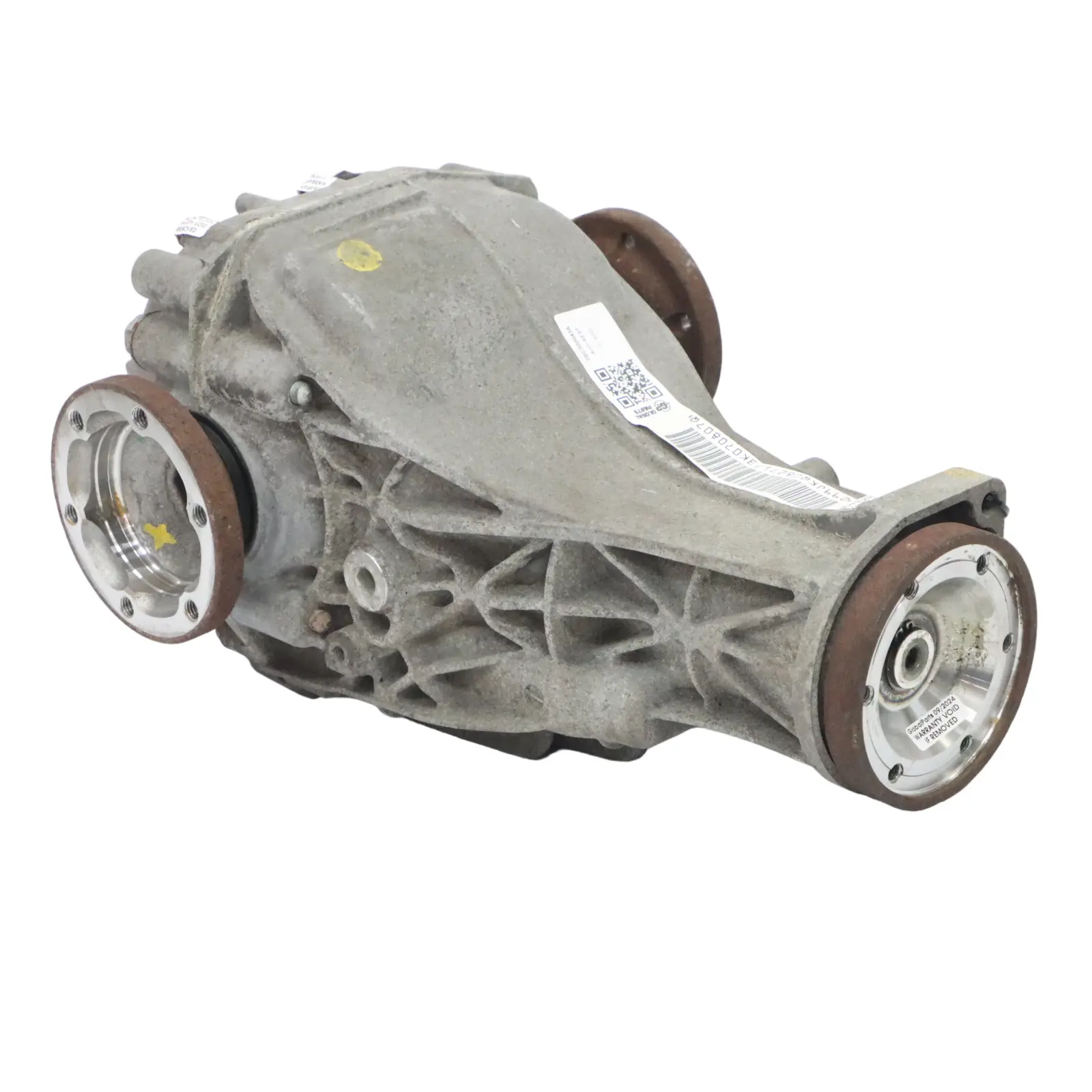
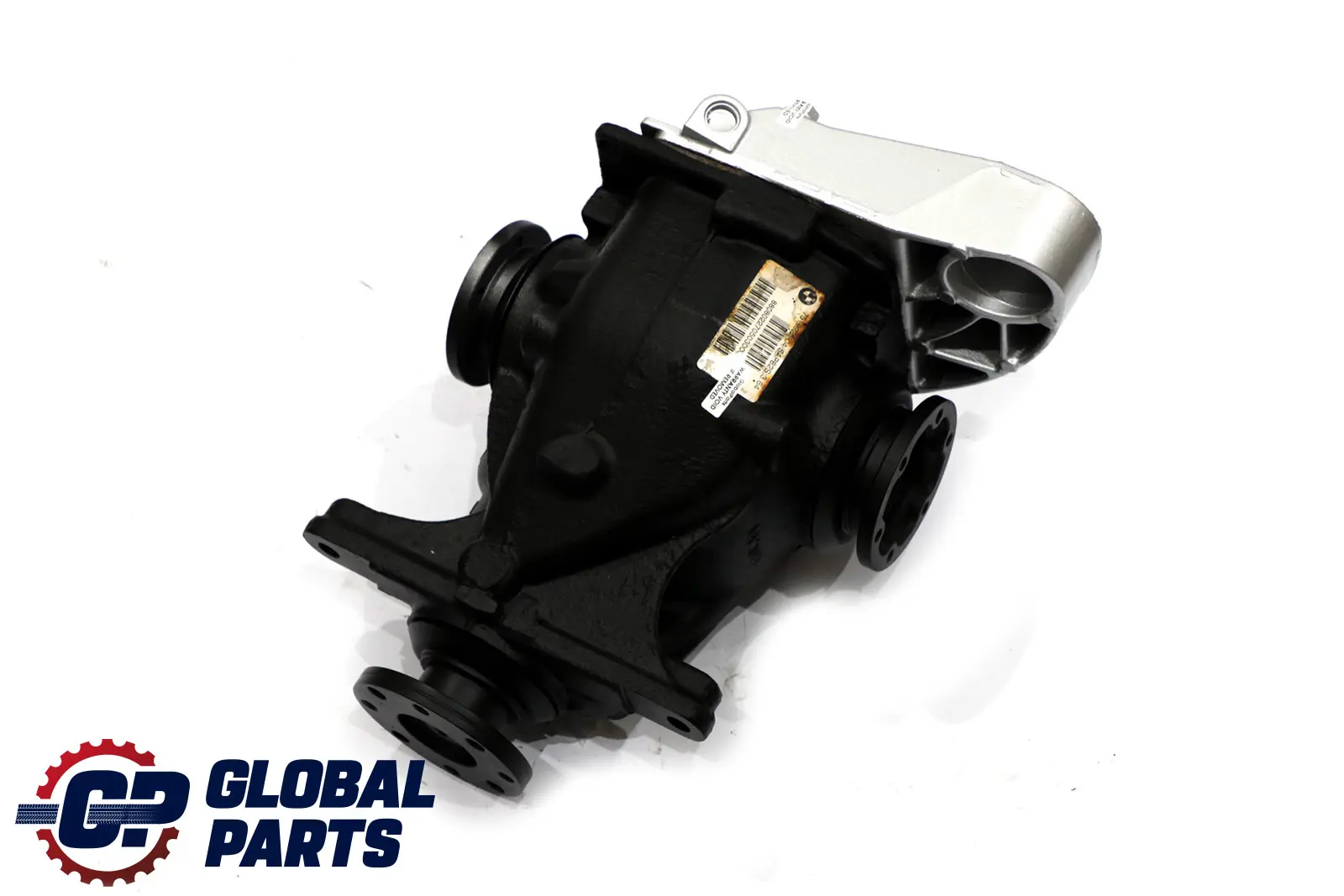
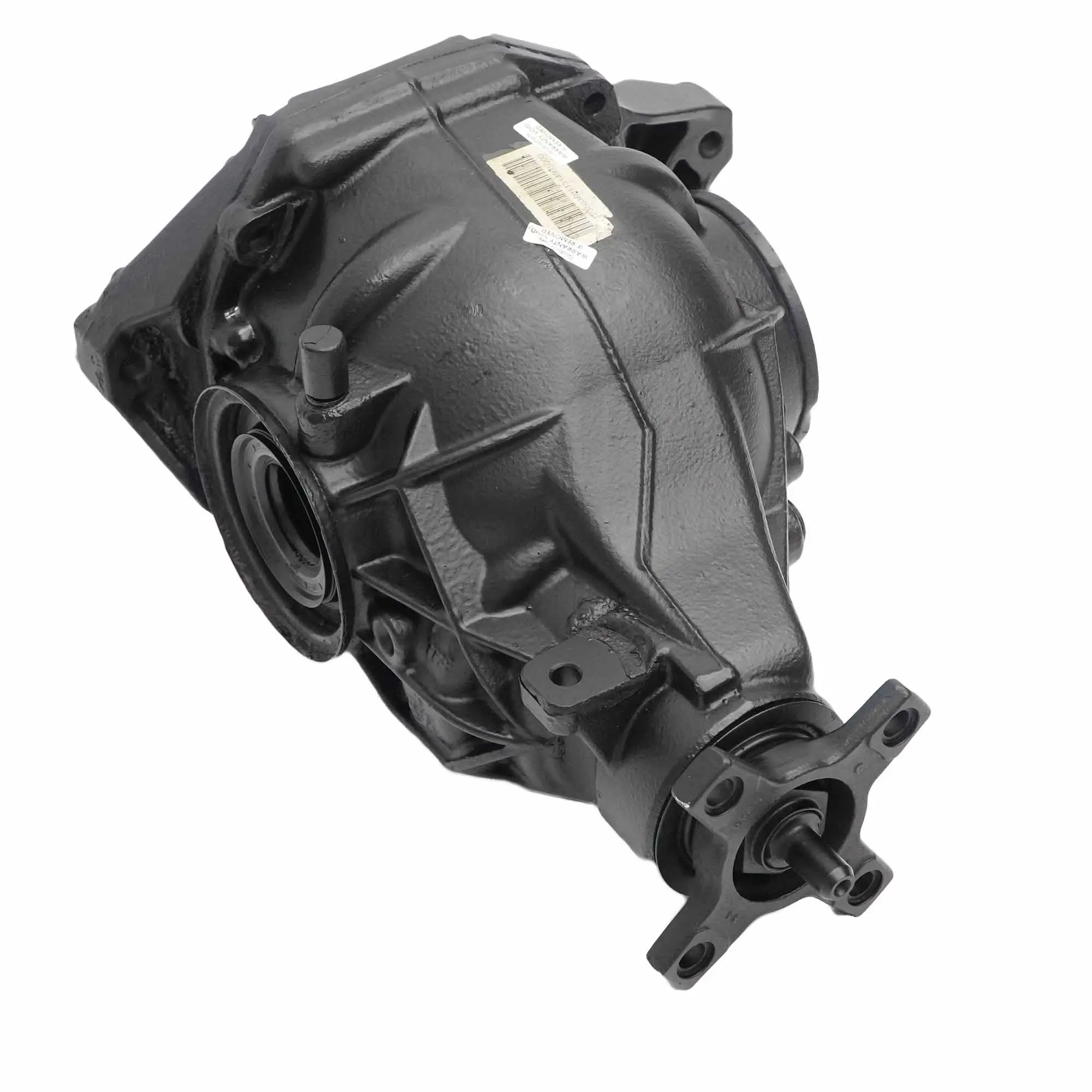
A used differential is often the only sensible solution when a disturbing, increasing whine begins to emanate from the chassis. A noisy differential drastically reduces driving comfort and signals increasing wear on bearings or gears, which in extreme cases can lead to sudden wheel lockup. Choosing the right replacement part requires technical knowledge, which is why informed drivers are increasingly choosing original used parts instead of risky remanufacturing with cheap components. At the Global Parts automotive store We ensure that each part comes from a reliable source and guarantees safe operation for thousands of kilometers. The following article will explain how to recognize a transmission failure and why an OEM drive axle is an investment that truly saves the vehicle owner money.
Contents
- How to recognize a noisy differential?
- Why is a used OEM differential superior to aftermarket?
- Mercedes and BMW drive axle – specific failures.
- Differentials in Audi, VW and other brands.
- Bridge replacement – process and parts selection.
- Frequently asked questions about differentials.
How to recognize a noisy differential and what are the symptoms of axle failure?
The appearance of a metallic whining noise that intensifies with increasing wheel speed is a classic sign that the differential requires immediate attention from a mechanic. The main cause of the noise is usually natural wear of the rolling bearings or incorrect clearance between the gears in the differential, which leads to vibrations. A rumbling noise in the car can be confused with a wheel bearing fault, but if the sound changes in pitch when accelerating or releasing the throttle, the culprit is most likely the rear differential . It's also worth checking for oil leaks from the axle shaft seals, which lead to overheating of the mating components and accelerated metal degradation. Ignoring these symptoms results in irreversible damage to the final drive, necessitating a comprehensive driveline repair . In such a situation, the most sensible step is to have it diagnosed by a professional service center, which will precisely determine the component's technical condition.

Why is a used OEM differential a better investment than cheap replacements?
Original equipment components manufactured for original equipment manufacturers are characterized by significantly higher precision and material durability, a quality lacking in budget-friendly aftermarket parts. Used OEM parts offered by the Global Parts automotive store undergo a selection process, ensuring the drivetrain maintains its factory operating parameters. Transmissions manufactured by suppliers such as ZF and Getrag are designed to operate under specific loads, taking into account the weight and power of the drive unit. Cheap replacements often do not adhere to the installation dimensions, causing driveshaft balance issues and generating additional vibration. By choosing a used differential from a reputable source, you receive a product that perfectly complements the vehicle's electronics, such as traction control systems or four-wheel drive. This solution is not only cheaper than a brand new part but also significantly more reliable than attempting to rebuild it in unqualified workshops.
| Characteristic | Original OEM (used) | Cheap replacement / Regeneration |
|---|
| Gear material | Highest quality hardened steel | Often softer metal alloys | | Fit precision | Factory tolerances of 0.01 mm | Possible deviations causing noise | | Vitality | Estimated for another 100-200 thousand km | Unpredictable (often failures after 10,000 km) | | Purchase cost | Optimal (fraction of the price of a new part) | Medium, but high risk of complaints | | Compatibility | Full (Plug & Play) | Common problems with flanges and gear ratios |
Mercedes differential – what to look for in the W202, W203 and Sprinter models? Mercedes drivetrains are renowned for their longevity, but neglected maintenance, such as failing to change the transmission oil (usually every 80,000-100,000 km), leads to premature wear. In older designs, such as the Mercedes W202 differential Whether it's a W203 differential, play in the drivetrain can be a problem, manifesting itself as a characteristic knock when engaging reverse gear. In commercial vehicles, where the Sprinter differential operates under heavy load, monitoring the axle's operating temperature is crucial to avoid seizing the planetary gears. [Internal link: check original Mercedes-Benz differentials]. Correct gear selection in these models requires verifying the gear ratio (e.g., 3.46, 3.27), which is stamped on the housing or available via the VIN. Each drive axle delivered to the customer should be clean and dry, which facilitates the assessment of tightness after installation in the vehicle.
Problems with the rear axle in the Mercedes Sprinter Due to its utilitarian nature, the Sprinter is particularly susceptible to rear-wheel drive failure when driving at full load. Bearing wear in these vehicles often manifests itself as a low-pitched rumbling noise that develops into a high-pitched squeal at higher highway speeds. When replacing a driveshaft, it's worth checking the condition of the driveshaft and bearings, as their runout can damage even a newly installed differential .
BMW differential – challenges in the E46, E90, F10 and X3 E83 models Bavarian designs are characterized by sporty operation, which means the differential must transmit high torque almost immediately after accelerating. The popular BMW E46 differential It often suffers from cracked bushings securing the carrier to the rear axle, resulting in a dull thud from the rear of the car when shifting gears. In newer models, such as the BMW F10 differential or the BMW E90 320i differential, engineers used lighter alloys, which can lead to oil overheating and transmission whining during aggressive driving. [Internal link: choose a used differential for BMW E90 and F10]. SUV owners looking for a BMW X3 E83 differential, they must remember to properly align the front axle, as the difference in gear ratios can damage the xDrive transfer case. A used differential for a BMW is a safe way to restore factory quietness without having to spend more than the value of older cars.
Front differential in xDrive and Quattro systems In all-wheel drive cars , the front differential It's a smaller component, but equally crucial to the vehicle's smooth operation. Damage in this area is more difficult to diagnose, as noise can be masked by engine and gearbox operation. In models such as the Audi A4 B differential (B6, B7, B8 series), front axle failures are less common, but mechanical cracks require the replacement of the entire transmission housing.
 Differentials in Audi, VW, Porsche, Seat and Skoda – how to choose the right part? The VAG Group and Porsche use a wide range of transmissions, which differ not only in housing but primarily in letter codes specifying the internal gear ratio. For example, the differential in an Audi A4 B6 It can come in dozens of variants, so it's crucial to match the part based on the code on the transmission or the sticker in the trunk. Popular brands like VW, Seat, and Skoda most often feature integrated axles in front-wheel drive vehicles, or separate Haldex modules in four-wheel drive systems. Selecting the OEM number ensures the speedometer won't misrepresent and active safety systems will function properly. At the Global Parts automotive store, we support customers in verifying this data, providing access to components from low-mileage cars. This means that even owners of prestigious Porsche models can count on functional used parts that will restore the drivetrain's performance.
| Mark | Popular Model | Typical differential problem |
|---|
| Mercedes | W202, W203, Sprinter | Leaks, looseness on attack, rumbling under load | | BMW | E46, E90, F10, X3 E83 | Cracked mounting bushings, oil overheating | | Audi | A4 B8 / A6 C7 | Leaks from seals, noise from bearings attack | | VW | Golf VII / Passat B8 | Problems with the Haldex pump in the 4Motion version | | Mini | Cooper S / Countryman | Spline wear at differential output | | Porsche | Cayenne / Macan | Oil overheating under heavy loads | | Skoda | Octavia / Superb | Play in the axle shaft flanges in older models |
Replacing the drive axle – what to remember when visiting a mechanic? Installing a new transmission is a process that requires precision, cleanliness, and the use of appropriate lubricants recommended by the vehicle manufacturer. Before installation, it's essential to inspect the condition of the axle support and flexible joints, as their wear is the most common cause of renewed differential damage. It's recommended that axle replacement always involve filling the system with fresh oil with a specification such as 75W90 or 75W140 (for LSD locks), even if the seller claims there's oil in it. The magnets in the drain plugs should also be cleaned, as they trap any metal shavings created during the break-in period of the mating wheels. A properly performed procedure by a professional mechanic eliminates the humming noise in the car and restores full steering precision. The final step is a test drive, during which the system is verified for leaks and the absence of disturbing noises throughout the entire speed range. The importance of the OEM number when purchasing a bridge Each drive axle It has a nameplate or casting with a serial number that is unique to the specific engine and transmission configuration. Selecting parts "by eye" in drivetrains is fraught with risk, as even a small difference in gear ratio (e.g., 3.07 instead of 3.08) can cause ABS system errors. It's worth using professional catalogs and selecting parts by VIN, which saves time and eliminates the costs of unnecessary return shipments. FAQ – Frequently asked questions about differentials and drive axles
| Question | Answer |
|---|---|
| What is a differential and what is it responsible for? | This is a differential mechanism that allows the wheels on one axle to rotate at different speeds (crucial in corners) and transmits torque to the driveshafts. |
| Can a noisy differential be repaired? | Replacing the bearings is possible, but the process is expensive and technically demanding. Often, a more cost-effective solution is to purchase a proven, original OEM axle from a disassembly shop. |
| How to check a used differential before installation? | Verify that the flanges rotate smoothly without binding, check the housing for leaks, and assess the condition of the gears through the inspection hole. |
| Why are OEM parts better than aftermarket parts? | OEM parts guarantee factory fit and the highest quality metal alloys, which translates into a quiet and durable system that is often lacking in universal replacements. |
| Where to buy a reliable drive axle? | It is best to go to specialized places, such as the Global Parts automotive store, which offer parts from legal dismantling at a reliable price. |