


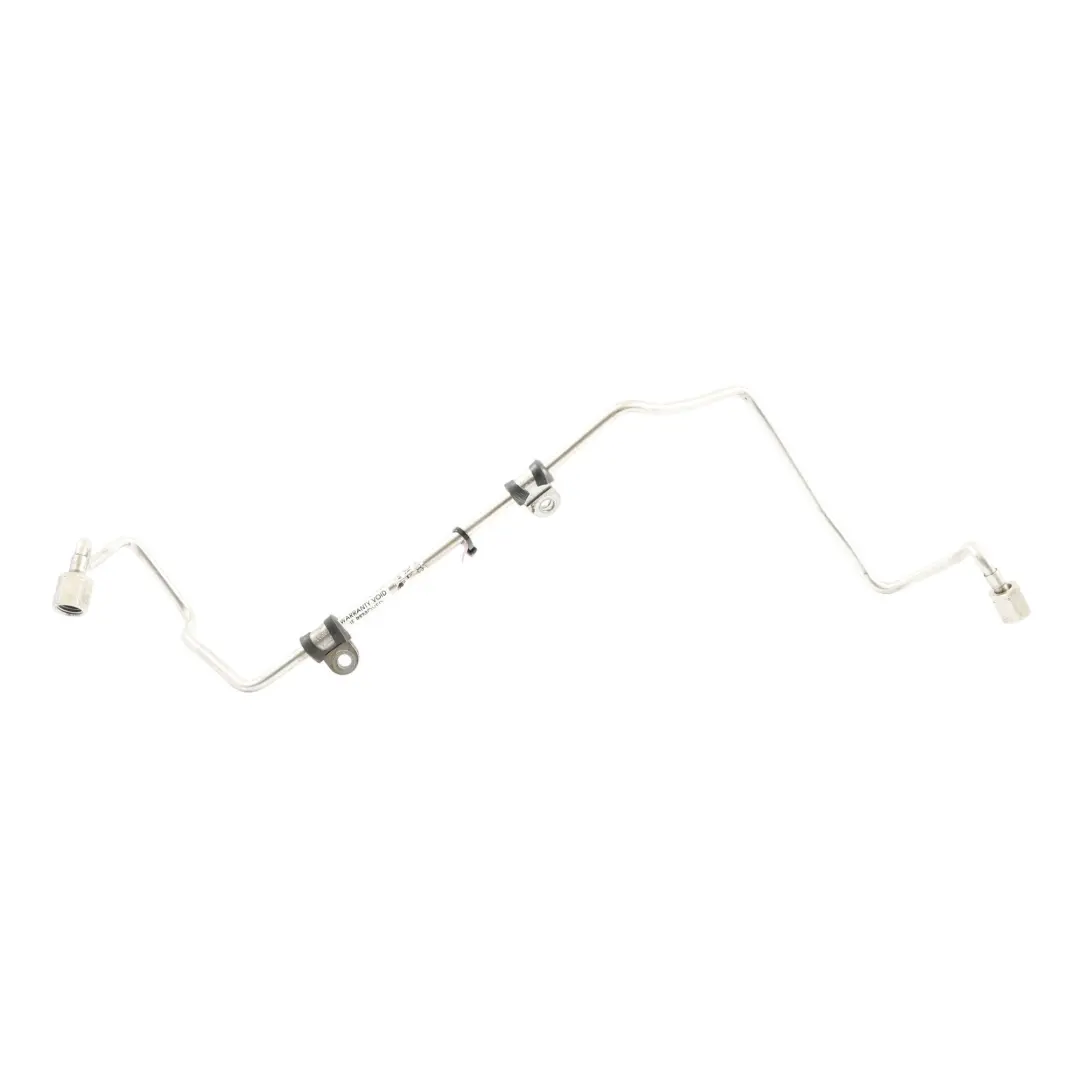


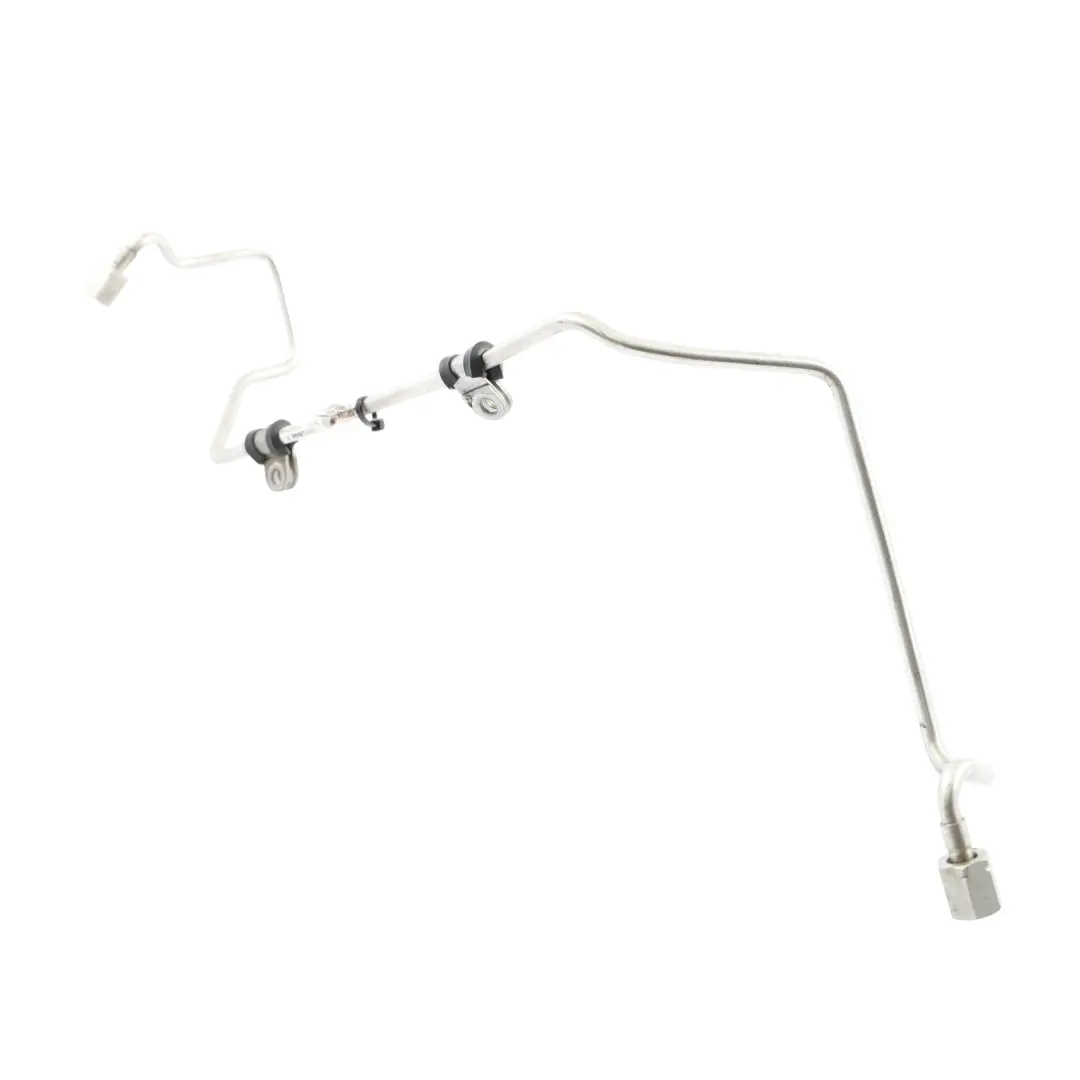
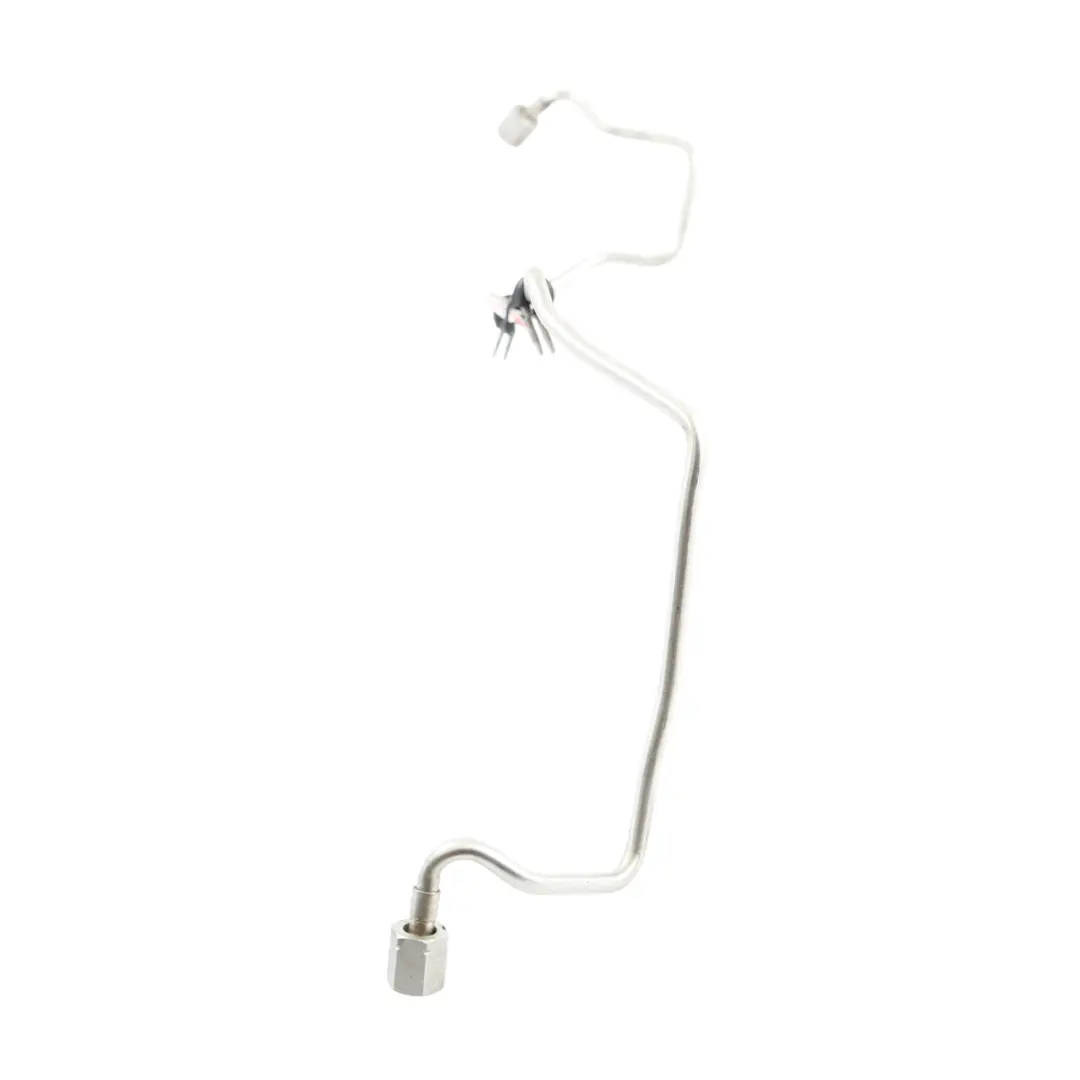
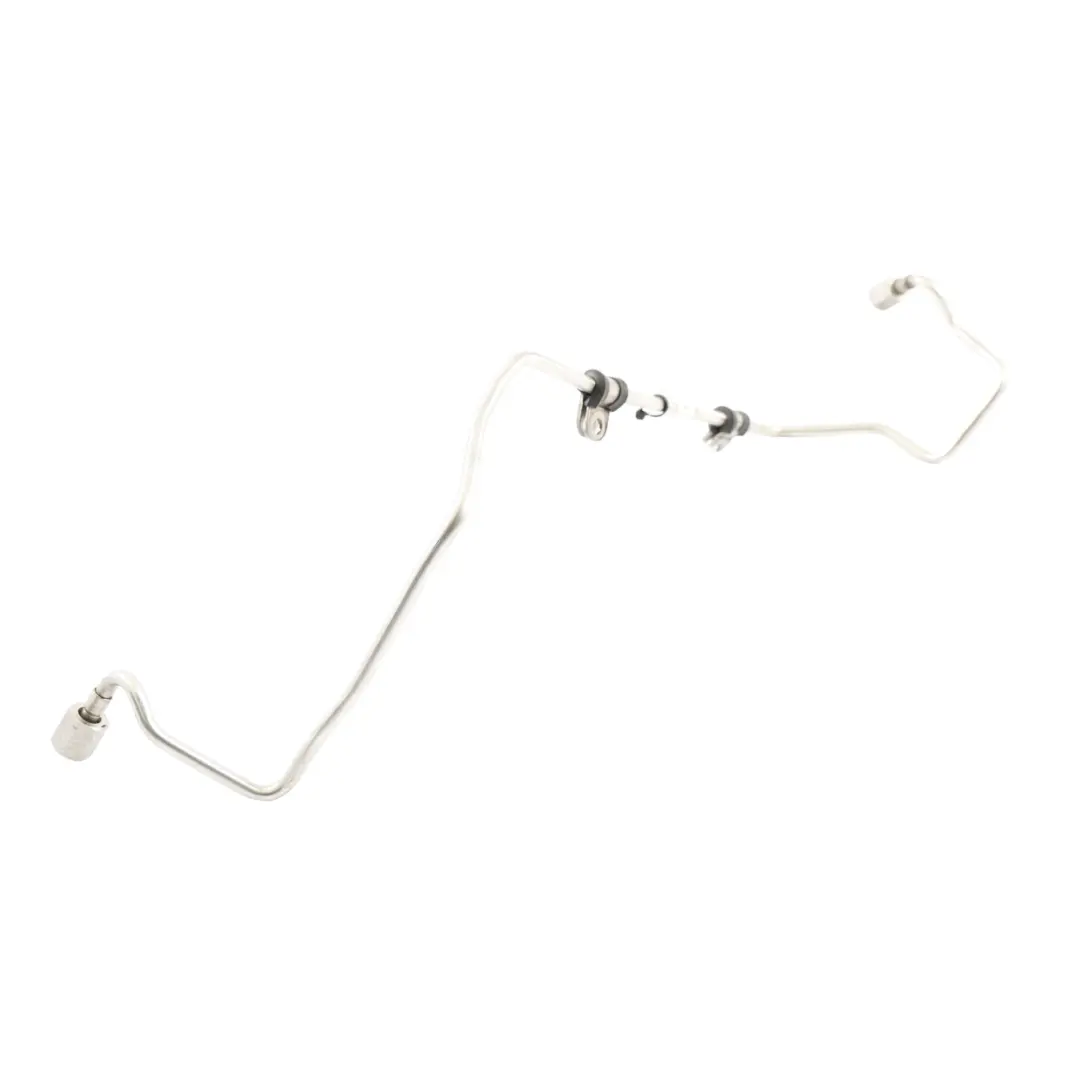
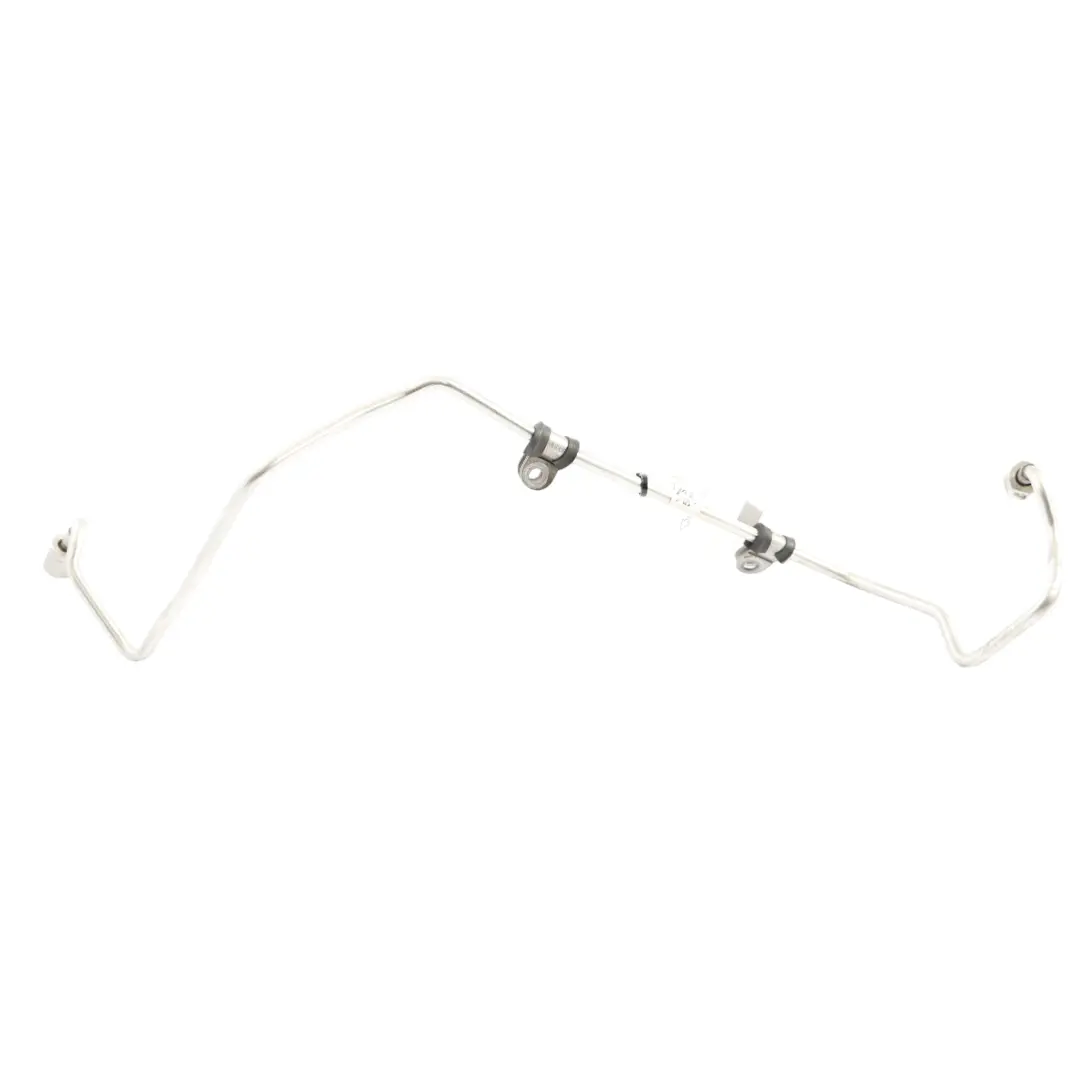
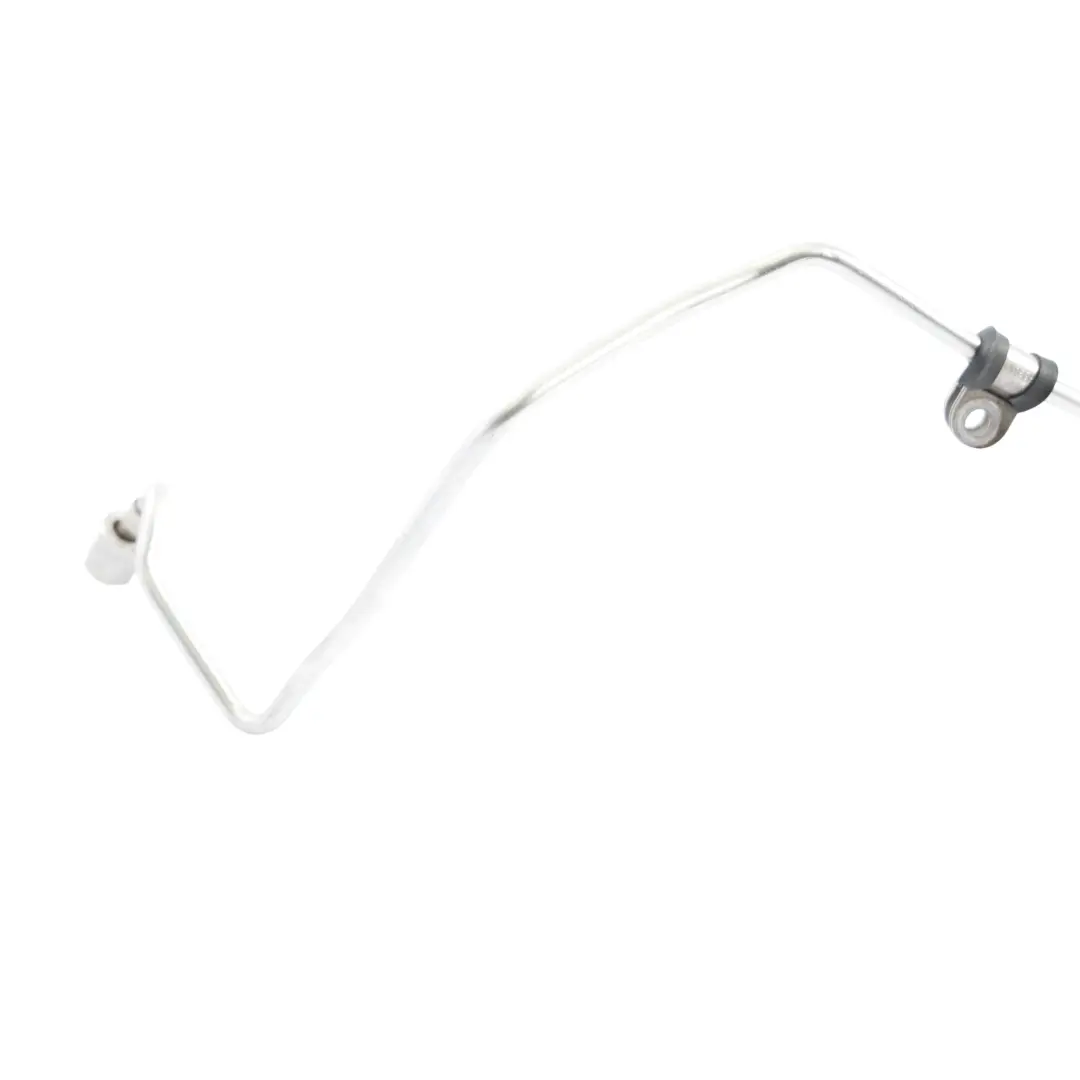
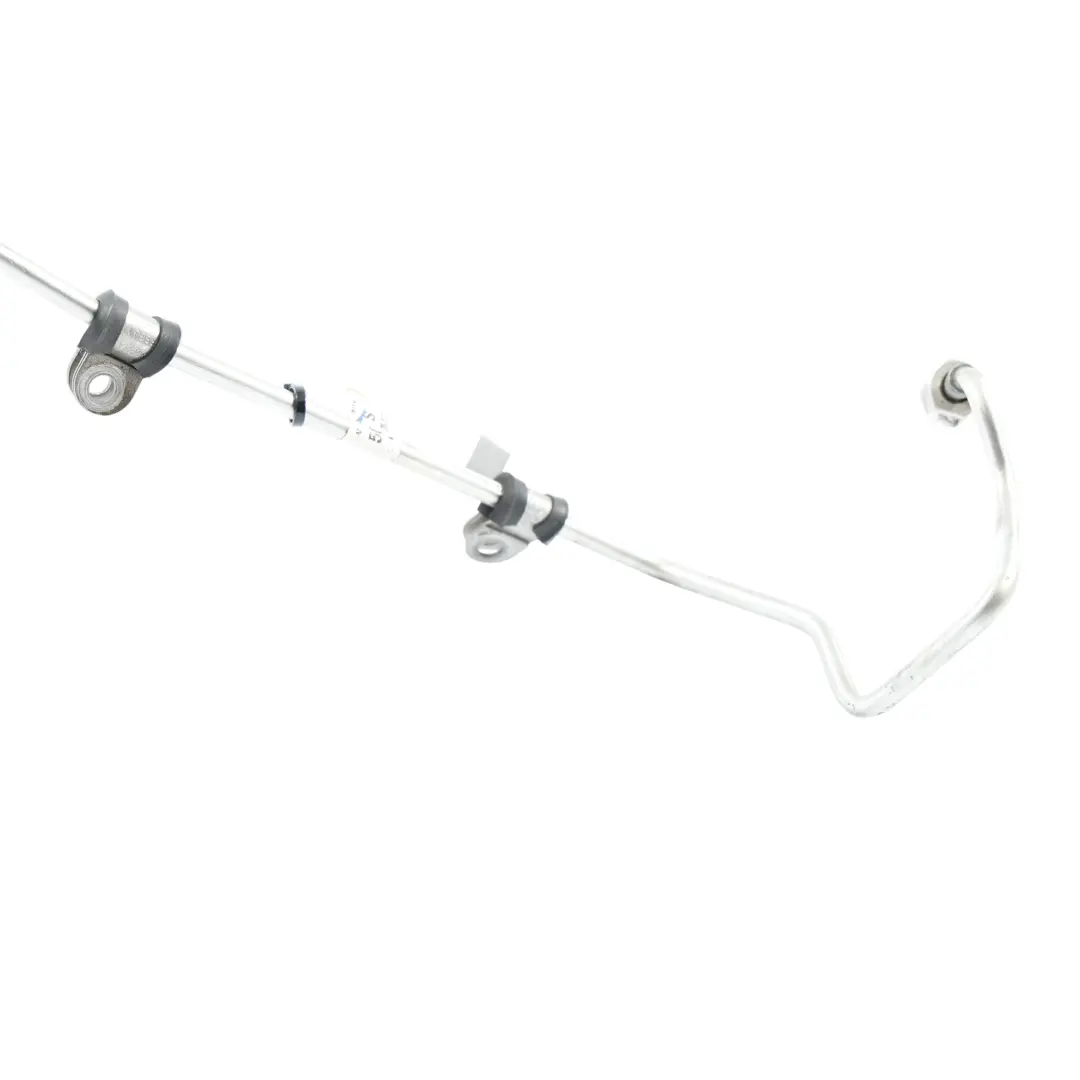
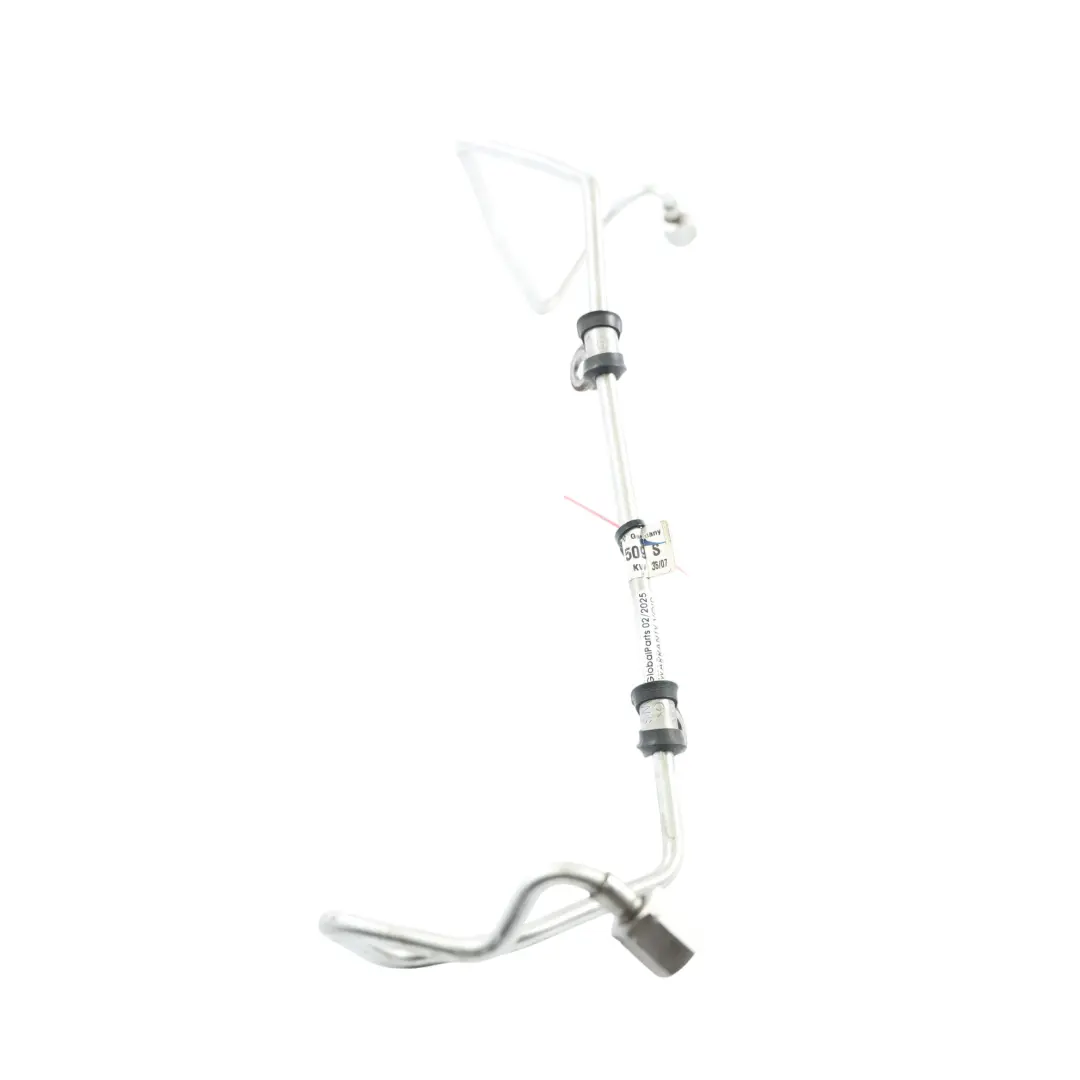
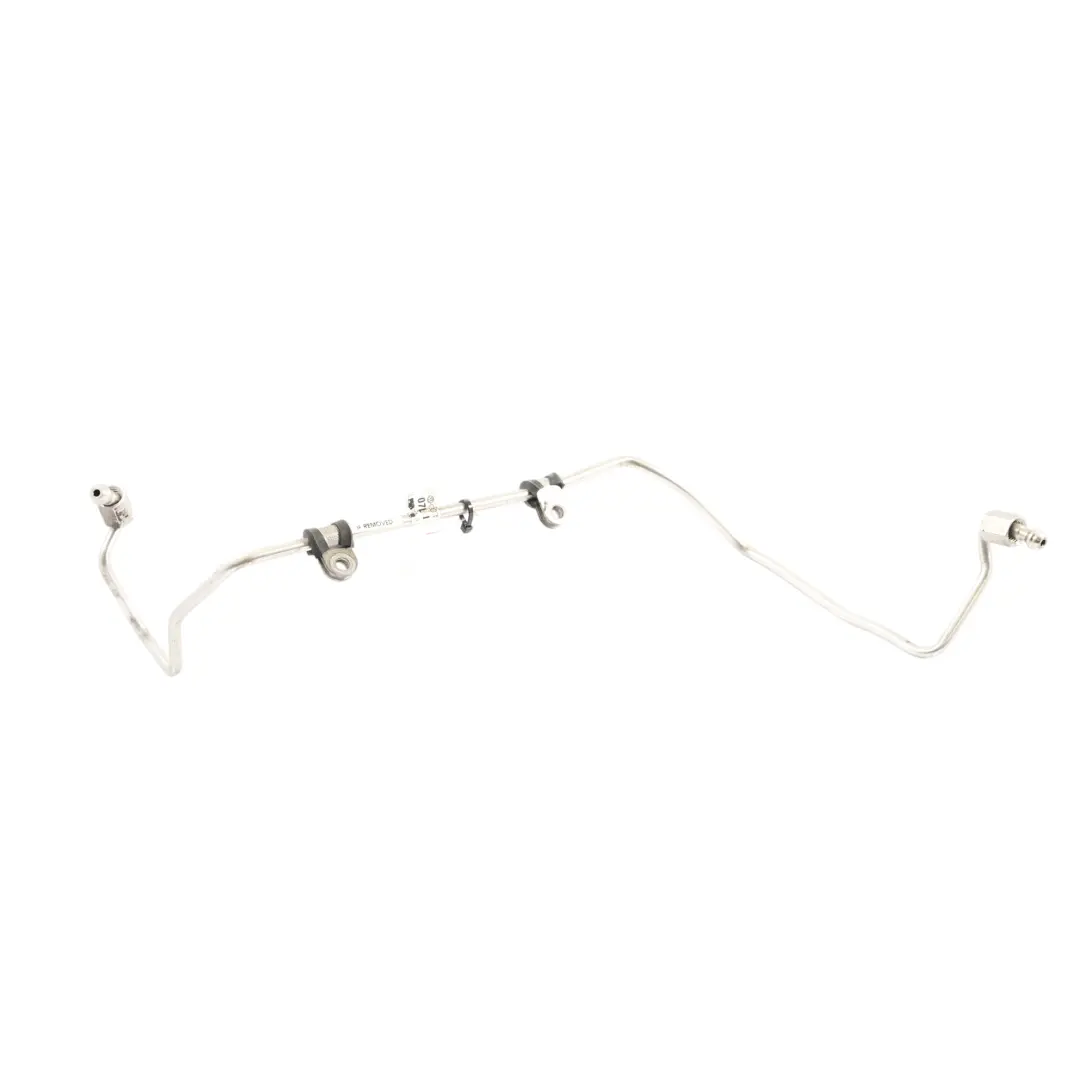
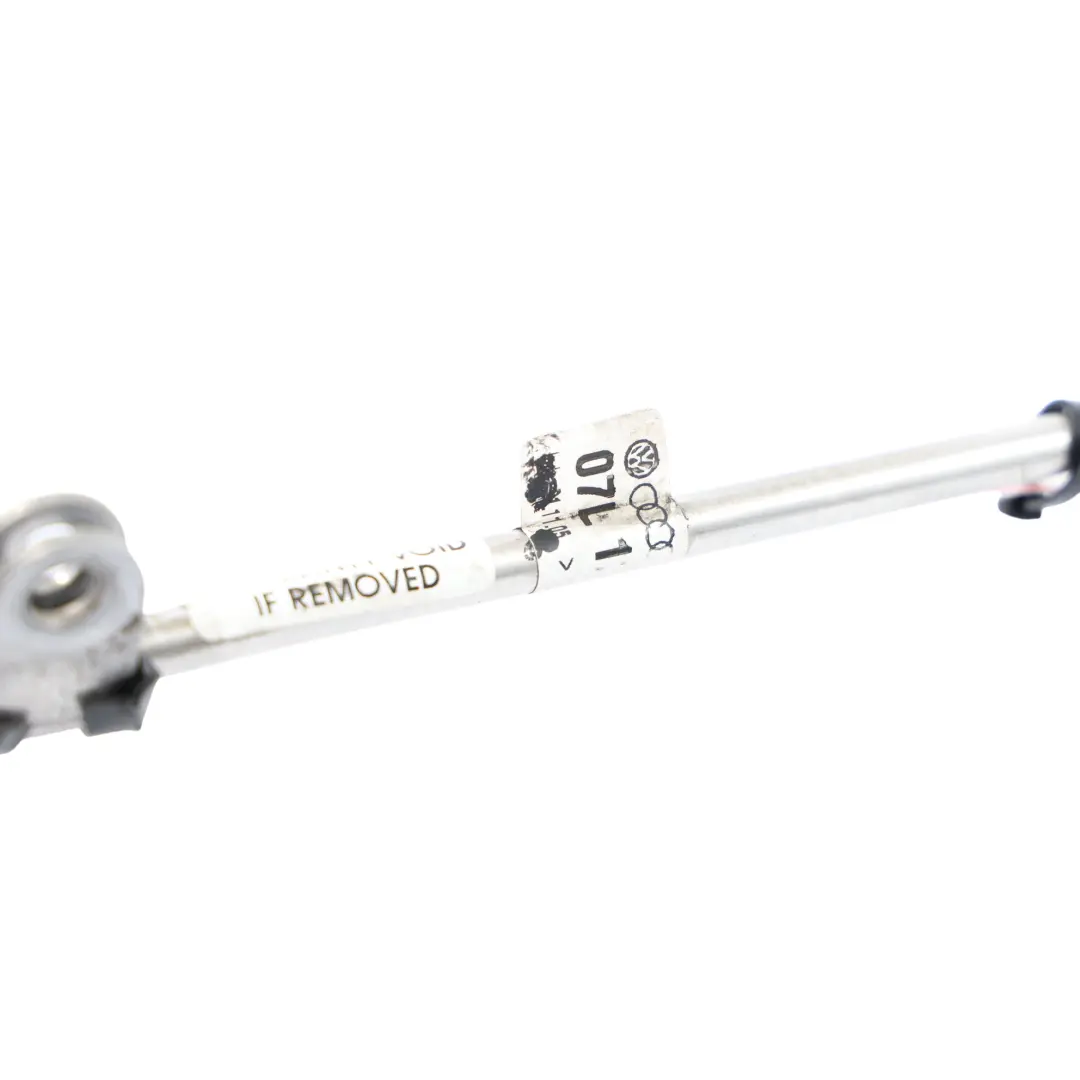
Audi S8 D3 5.2 FSI V10 Quattro Fuel Injection Pipe Line Left N/S 07L127509S
SKU: 07L127509S
Product from a certified dismantling facility
Condition:
Used
Available:
1
Delivery time:
Estimated delivery in the country France between Wed, Oct 07 and Fri, Oct 09
Dispatched today if paid before 14:00
Payment methods:






Returns:
30 days return
Delivery from:
Free delivery
€28.95
1
Lowest price in the last 30 days: €28.95
Total for items
€28.95
Audi S8 D3 5.2 FSI V10 Quattro fuel injector lines are specialized components of the gasoline fuel system, designed for use with the V10 FSI engine in a quattro configuration. This product, categorized under injector nozzles, ensures precise fuel delivery to the injectors on the left side of the vehicle, which is crucial for stable engine operation and maintaining factory performance parameters.
Specifications and technical data
- SKU: 07L127509S
- Mark: Audi
- Condition: Used
- OEM Part Number: 07L127509S
- Substitutable numbers: 07L127509S, 07L 127 509 S
- Location on the vehicle: Left
- Fuel type: Petrol
- Category: Fuel Injectors
Purpose and Function in the Fuel System
Fuel injector lines in an FSI gasoline engine are responsible for the controlled transport of fuel from the fuel rail to individual injectors. For the V10 engine in the Audi S8 D3, the proper functioning of the left-side lines directly impacts:
- even cylinder fueling on one side of the engine,
- stable idling and under load operation,
- correct mixture combustion in direct gasoline injection mode. A properly selected component from this group helps maintain the correct fuel pressure and flow, which is particularly important in high-revving V10 engines.
Compatibility with FSI Gasoline Systems
The offered fuel injector line is designed for use with the gasoline fuel system in the Audi S8 D3 5.2 FSI V10 Quattro. Its construction, adapted to the specifics of the FSI engine, enables:
- proper cooperation with high-pressure injectors,
- maintenance of factory line routing on the left side of the engine bay,
- reduction of stress and vibration during engine operation. This allows the component to be used as a replacement for the factory fuel injector line for repairs or to restore the original system configuration.
Mounting Side and Service Aspects
The line is intended for installation on the left side of the vehicle, which is important when planning service work in the V10 engine bay. Correct identification of the mounting side facilitates:
- selection of the correct component when replacing only one side of the system,
- reduced installation time due to matching the line's shape and length,
- preservation of factory fuel line routing relative to engine accessories. The product comes from the Audi brand, which promotes compliance with factory standards for installation and fuel system safety.
Product Characteristics and Condition
The fuel injector lines for the Audi S8 D3 offered here are from the segment of used genuine parts. This type of component is particularly attractive for users who want to:
- maintain the original fuel system specification in the V10 FSI engine,
- optimize repair costs while using components consistent with Audi's design,
- replace a damaged line without affecting other fuel system components. Choosing a genuine fuel injector line from the injector nozzles category helps reduce the risk of fitting issues and leaks, which are common with aftermarket replacements.
Support with Selection and Additional Materials
When selecting fuel injector lines for Audi, it is particularly important to use OEM numbers and interchangeable part numbers to avoid errors between different engine versions and model years. If necessary, consult specialized guides for verifying parts by their numbers. If you are interested in other Audi injector nozzles for various Audi models, check the current offer in the category: Audi injector nozzles. More information on typical symptoms and consequences of fuel injection system problems (using diesel engines as an example) can be found in the article: Diesel injector faults – how to recognize them and what are the consequences of neglecting them. Although it concerns diesel engines, many diagnostic principles and service approaches remain similar for gasoline systems.
Delivery details
Ship to: France
Check delivery times for another country
Delivery Price
Service
Postage and packaging
Delivery time
Estimated delivery in the country France between Wed, Oct 07 and Fri, Oct 09
Dispatched today if paid before 14:00
Estimated delivery dates include sellers dispatch time, origin postcode,destination postcode and time of acceptance, and will depend on the postage service selected and receipt of cleared payment. Delivery times may vary, especially during peak periods.
Will usually dispatch within same working day if paid before 14:00 BST (excludes weekends and holidays). Expected dispatch time may vary and is based on sellers order cut-off time.
In the automotive store Global Parts, we offer fast and secure deliveries for our customers in France, ensuring maximum compliance with local service standards. Each order is processed with the utmost attention, guaranteeing a fluid shopping process and a timely delivery. If you need assistance in choosing the right part, our team of consultants will be happy to help you find the right part for your vehicle and provide information on installation, availability and parameters of the selected components.
Proposed car parts:
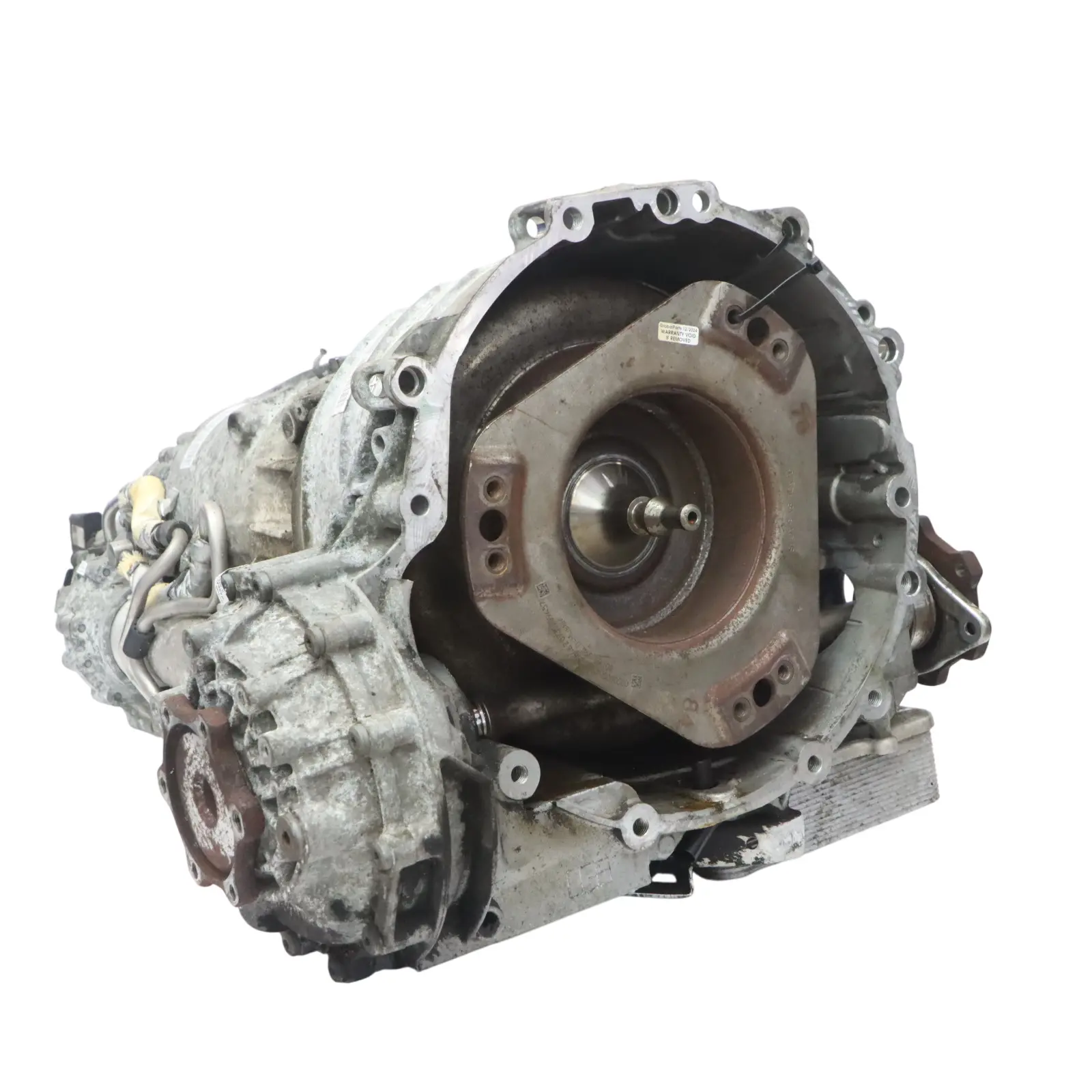
Part no. 09E300039GX
Audi S8 D3 5.2 FSI V10 BSM Quattro Automatic Gearbox KLW 09E300039GX WARRANTY
€854.95
Free delivery: Oct 7 – 9
If paid before 14:00
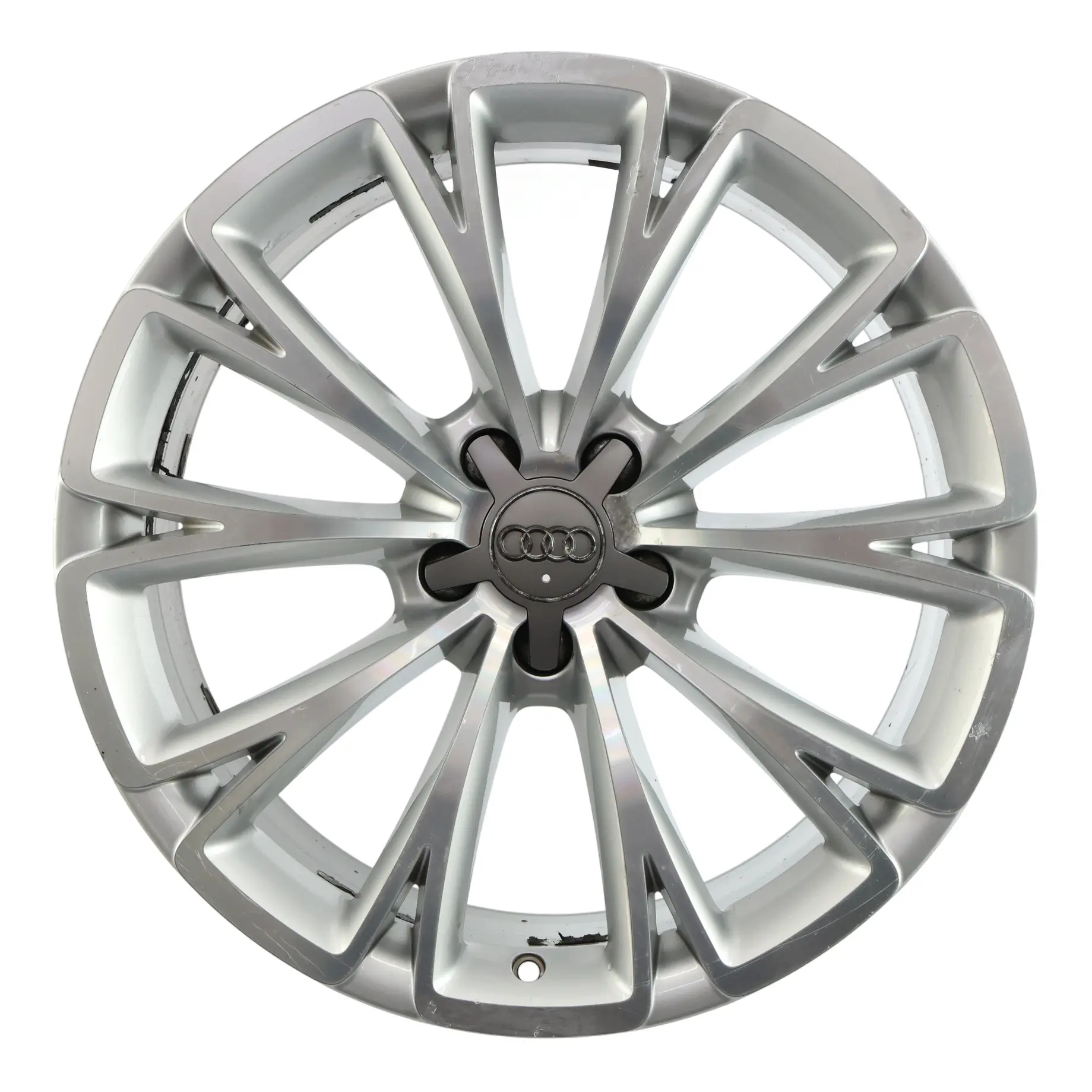
Part no. 4H0601025G-1
Audi A7 4G A8 D4 Wheel Rim Alloy Silver 19" 9J ET:39 Star Spoke 4H0601025G
€360.95
Free delivery: Oct 7 – 9
If paid before 14:00
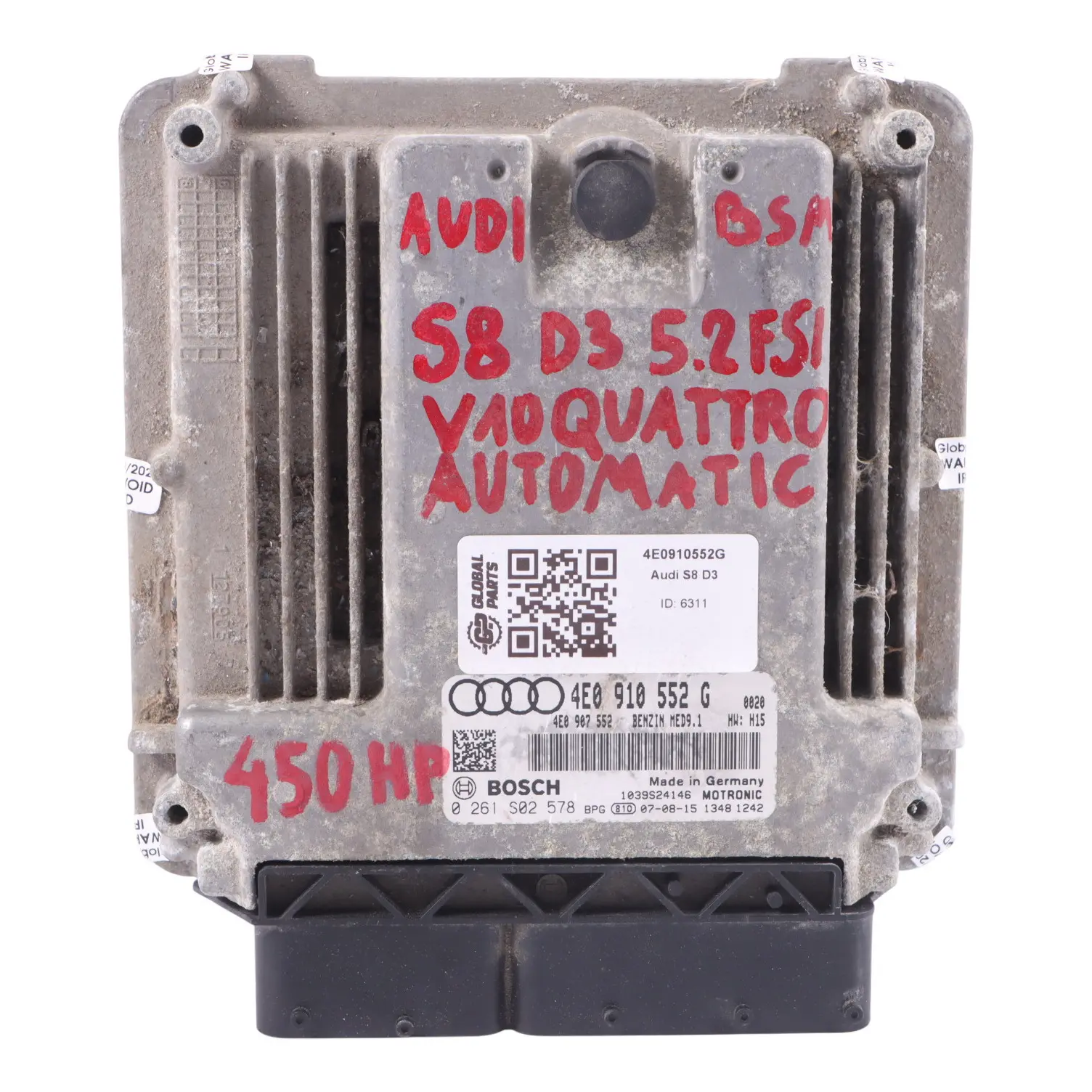
Part no. 4E0910552G
Audi S8 D3 5.2 FSI 450HP BSM Quattro Engine Unit ECU 4E0910552G Automatic
€241.95
Free delivery: Oct 7 – 9
If paid before 14:00
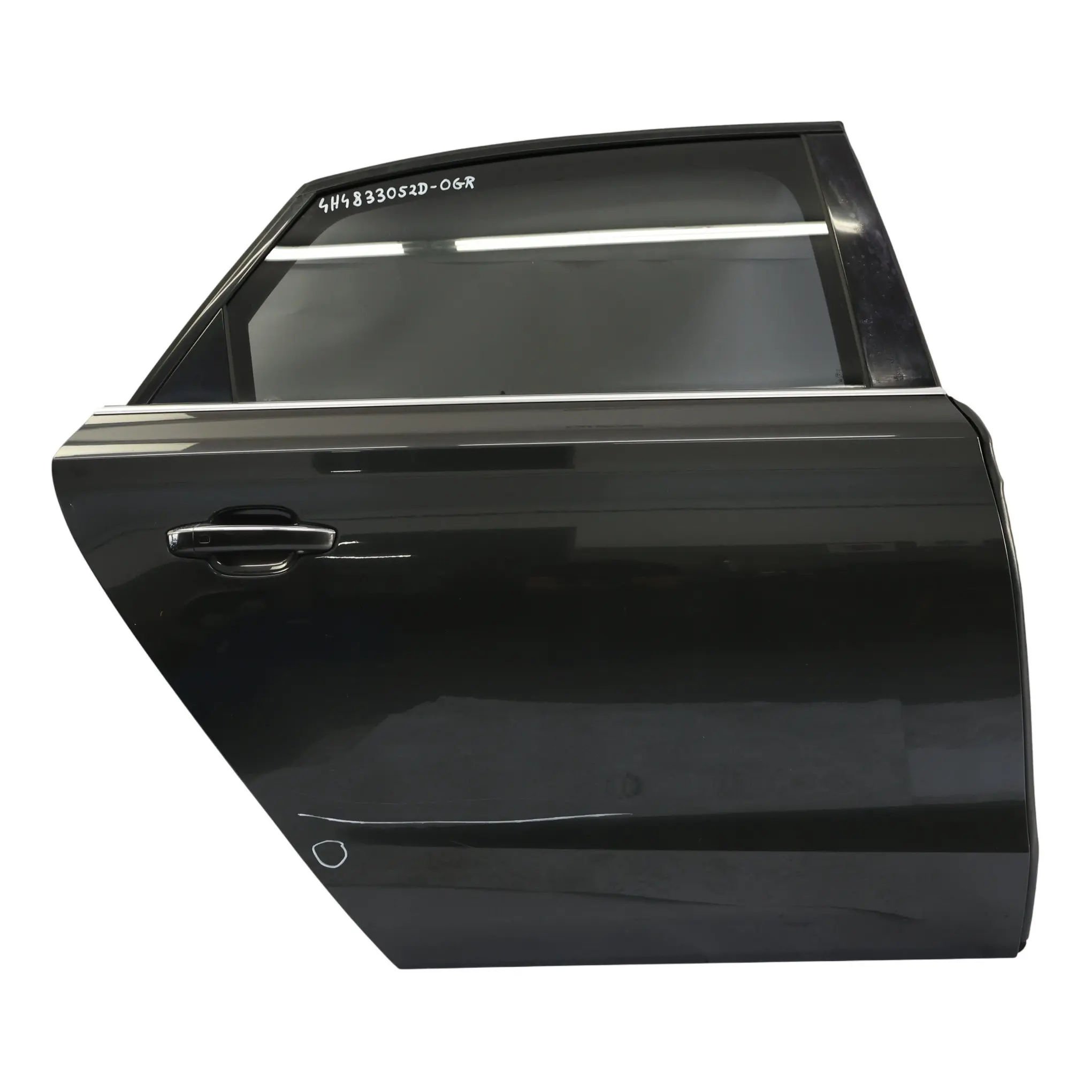
Part no. 4H4833052D-OGR
Audi A8 4H Door Rear Right O/S LWB Long Wheelbase Variant Oolong Grey - X7U
€427.95
Free delivery: Oct 7 – 9
If paid before 14:00